What to Do Before the Emergency Plumber Arrives
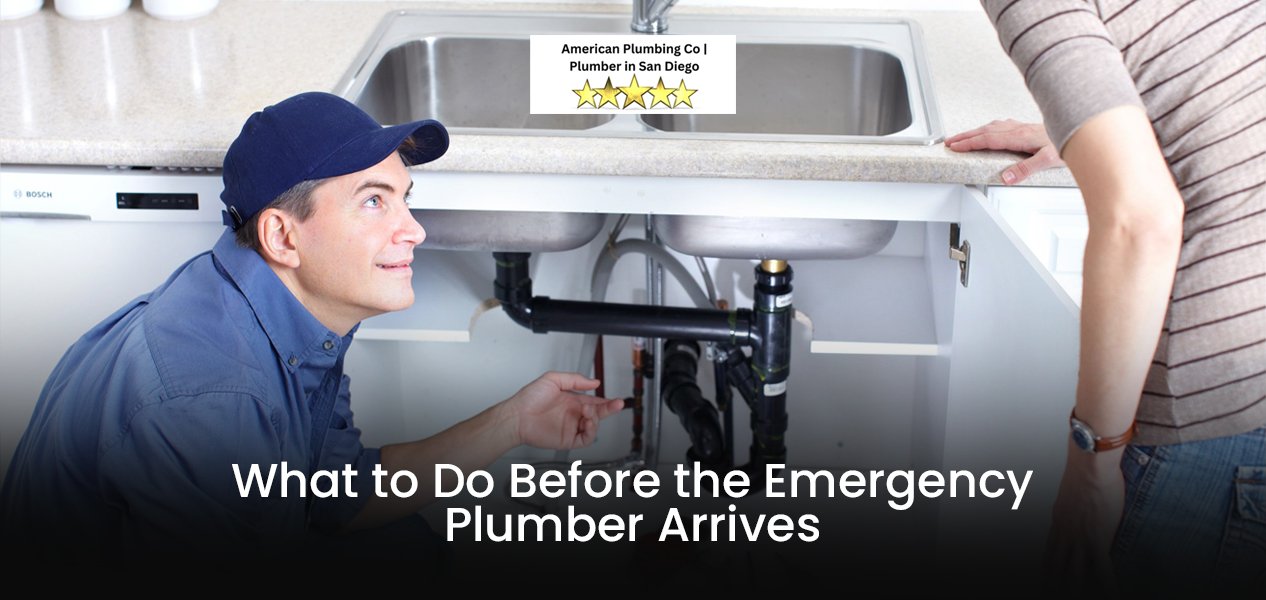
A leaking pipe can turn an ordinary evening into a costly household problem. Water spreads beneath cabinets, reaches nearby floors, and puts personal belongings at risk. Knowing what to do before the emergency plumber arrives can make a real difference.
Your first actions should protect your family and limit further water damage. However, every plumbing problem needs a slightly different response. This guide explains the steps to take, mistakes to avoid, and ways to prepare for repairs.
What Should You Do First During a Plumbing Emergency?
Identify the Problem and Call an Emergency Plumber
Before touching anything, check where the water comes from and how it behaves. A steady leak beneath your sink may involve a damaged supply pipe. However, wastewater rising inside the bathtub may point toward a blocked sewer line.
Pay attention to the location, water level, and affected plumbing fixtures. These details help you explain the problem without making risky repair attempts.
If water spreads quickly, contact an emergency plumber in San Diego for assistance. Describe the situation clearly and mention any nearby electrical equipment. If you suspect a gas leak, leave immediately and call your gas utility from outside.
Follow These Immediate Emergency Plumbing Steps
A simple plumbing emergency checklist helps you focus on the right actions. Rather than attempting repairs immediately, follow these steps based on the conditions.
- Keep children and pets away from the affected plumbing area.
- Stop using sinks, toilets, or appliances connected to the problem.
- Find the nearest suitable water valve when you can approach safely.
- Avoid wet outlets, electrical panels, and other possible electrical hazards.
- Move nearby belongings when you can do so without risking injury.
- Contact your plumber and explain what has happened inside your home.
Once you complete these steps, focus on the source of the problem. The correct water shutoff method depends on which plumbing fixture has failed.
How to Shut Off Water Before the Plumber Arrives
Find and Close the Nearest Fixture Shutoff Valve
A fixture shutoff valve controls water entering one specific plumbing fixture. You can usually find sink valves inside the cabinet beneath the basin. Meanwhile, toilet valves often sit near the wall behind the tank.
Turn a round valve handle clockwise until it closes without extra force. For a quarter-turn valve, move the handle across the pipe. If the valve sticks, stop rather than risking a broken connection.
Locate and Turn Off the Main Water Supply
Large pipe leaks may require closing the main water supply valve. In San Diego homes, its location depends on the property’s plumbing layout. Check near the water meter or where the supply enters your home.
Some properties have an accessible valve inside a garage or utility area. Others have an owner-operated shutoff near an exterior wall.
A round handle generally closes clockwise, while a lever usually turns across its pipe. After closing the valve, check whether water still reaches the damaged line. Water already inside household pipes may continue draining for a short period.
What if the Main Water Valve Does Not Work?
An old valve may resist movement because of rust or worn parts. Forcing it can break the handle or cause another leak.
If the valve does not close, explain the problem to your plumber. You can also contact your local water utility for assistance. Do not operate sealed meters or utility equipment without proper permission.
A failed valve may also signal the need for water leak repair or replacement of damaged plumbing components.
What to Do for Different Plumbing Emergencies
Burst Pipes and Major Water Leaks
A burst pipe can release water faster than household towels can absorb. Your priority should be stopping the incoming supply when conditions permit.
For example, imagine a laundry hose breaking during a washing cycle. First, stop the appliance if you can reach its controls safely. Then, close the appropriate supply valve without touching wet electrical equipment.
Afterward, leave damaged pipe joints untouched until the plumber examines them. Major leaks may require replacing weakened fittings rather than applying temporary patches.
Overflowing Toilets and Blocked Drains
An overflowing toilet does not always mean the entire sewer line has failed. Sometimes, paper or another obstruction blocks the toilet’s internal passage. Stop flushing immediately and check whether clean water continues entering the bowl. If necessary, close the valve behind the toilet tank.
Avoid adding chemical drain cleaners or repeatedly testing the flush. Those actions can create further problems without removing the blockage. If the issue affects one fixture, toilet repair services may address the cause. However, several affected drains suggest a problem farther down the drainage system.
Sewer Backups and Contaminated Water
Sewage rising through a shower or floor drain needs immediate attention. Unlike a supply leak, wastewater may enter through connected drainage pipes. Stop running faucets, flushing toilets, or operating the washing machine. Additional wastewater can contribute to an existing backup.
Keep household members away from contaminated surfaces and standing sewage. Avoid touching the water or using ordinary household cleaning equipment.
If several fixtures have backed up, read about the warning signs of main sewer line problems. That guide explains why repeated drainage problems can indicate deeper pipe trouble.
Leaking Water Heaters
A water heater leak may come from a connection, valve, or tank. Some leaks appear slowly, while others release significant amounts of hot water. Keep your distance from hot water and nearby electrical equipment. Do not touch unfamiliar gas controls or attempt to release tank pressure.
If you smell gas, leave the building and call the gas utility. Otherwise, describe the leak’s location when you contact your plumber. The repair may depend on the heater’s age and condition. A plumber can assess whether water heater repair or replacement makes sense.
Basement Flooding and Sump Pump Problems
Flooding in a lower room does not always mean a household pipe broke. Heavy rainfall, groundwater, or drainage failure can also cause rising water.
Do not enter standing water when electrical conditions remain uncertain. A main water shutoff cannot stop groundwater entering through a foundation. Instead, report the water level and any sump pump concerns. Mention whether flooding began during rain or after using household fixtures.
That information can help identify which type of service the property needs.
Protect Your Home From Further Water Damage
Move Furniture and Valuable Items Away From Water
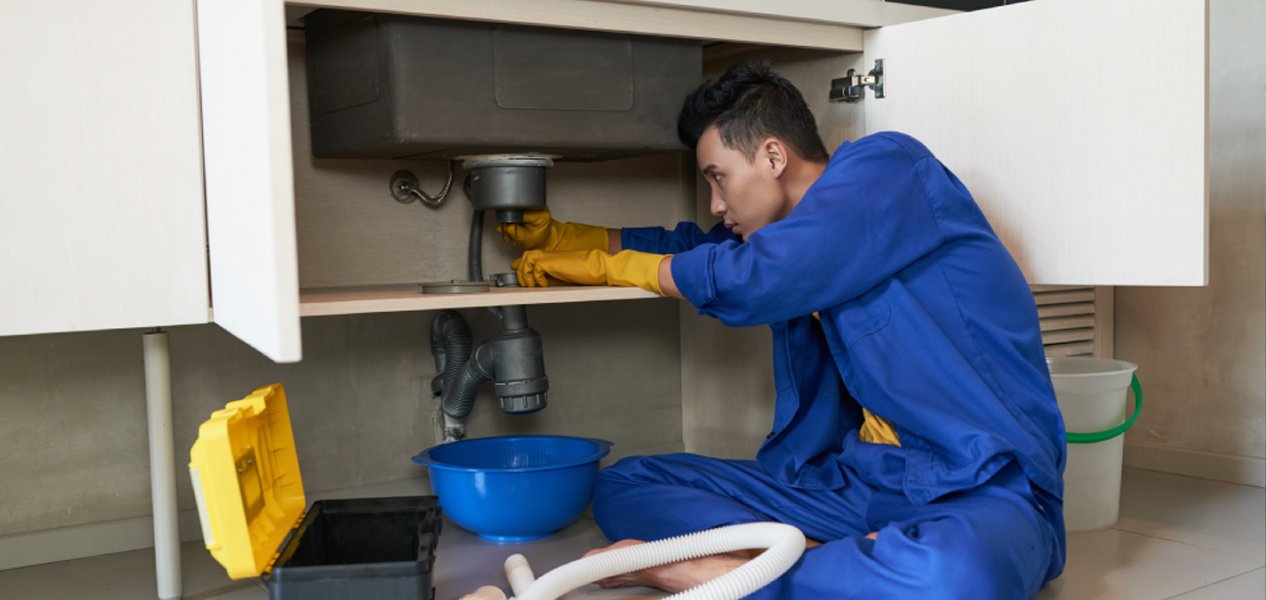
After controlling the leak, look for belongings that water may still reach. Move small furniture, important papers, and loose rugs into another room.
Pay special attention to wooden cabinets because moisture can affect their surfaces. However, avoid moving heavy furniture across wet or slippery floors. Water leaking upstairs may also leave stains on the ceiling below. If the ceiling begins sagging, stay away and report the condition.
Contain Minor Leaks and Start Safe Cleanup
A small clean water leak may leave puddles near cabinets or walls. Use towels to absorb minor spills when the area has no electrical risks. Place a bucket beneath any remaining drips from an isolated pipe. However, never use electrical cleaning tools where standing water creates possible hazards.
For recurring drain problems, our emergency drain cleaning guide explains common causes and warning signs. It also covers when a blockage needs urgent attention from a plumber.
Reduce the Risk of Hidden Moisture and Mold
A dry floor does not always mean the surrounding materials have dried. Water may remain beneath flooring or inside nearby wooden cabinets. The EPA recommends drying wet materials within 24 to 48 hours when possible. This helps reduce the chance of mold growing in damp areas.
If water enters wall cavities, contact a qualified water restoration company. Specialized drying equipment may be necessary for moisture you cannot see.
Common Mistakes to Avoid During a Plumbing Emergency
Avoid DIY Repairs That May Make the Problem Worse
When water starts spreading, a quick repair may seem like the easiest answer. Unfortunately, unfamiliar plumbing parts can break when someone applies too much force.
Avoid these common mistakes while waiting for help:
- Forcing an old water valve that refuses to turn.
- Pouring drain chemicals into a toilet that already overflows.
- Removing pipe fittings before confirming the water supply has stopped.
- Running additional water to test whether a drain has cleared.
- Reopening the main supply before the plumber finishes the repair.
A temporary patch may also hide the actual source of a leak. Let the plumber inspect damaged parts before deciding which repairs are necessary.
Never Ignore Electrical, Gas, or Sewage Hazards
Standing water can become dangerous when it reaches outlets or electrical equipment. Stay clear of affected areas until qualified workers address possible electrical risks.
Likewise, leave the property immediately when you suspect a gas leak. Contact the gas utility or emergency services from a suitable outdoor location. Sewage also requires special care because it may contain harmful germs. Avoid direct contact and let qualified workers handle extensive contaminated areas.
How to Prepare for the Emergency Plumber’s Arrival
Clear a Safe Path to the Plumbing Problem
A plumber needs enough room to inspect pipes and reach nearby valves. Move boxes, small furniture, and household items away from accessible work areas. If the problem involves a water heater, clear the surrounding space. Keep pets in another room while the technician works.
Also, arrange access to garages, utility rooms, or locked gates when necessary. Never move belongings from an area that presents electrical or structural danger.
Document Damage and Gather Useful Details
Photographs can provide a useful record of the plumbing emergency. Once conditions permit, capture visible leaks and damage to surrounding materials. Write down when you first noticed the problem and which rooms suffered damage. Save relevant receipts and previous plumbing records if they are available.
These details may help during future repairs or an insurance claim. However, coverage depends on your policy and the cause of damage.
Know What to Tell the Plumber
Instead of guessing which pipe failed, describe what you actually noticed. Mention where the water appeared and whether the problem happened before.
For example, tell the plumber if the kitchen sink backed up during laundry. Also, explain which valves you closed and whether the water stopped.
If several drains have problems, mention every affected fixture during the call. The plumber may recommend sewer line repair after inspecting the drainage system.
What Should You Do While Waiting for the Plumber?
Monitor the Situation Without Taking Unnecessary Risks
Once you complete the necessary steps, avoid disturbing the affected plumbing. Observe visible changes from a dry area that remains safe. If water starts rising again, contact your plumbing company with an update. Report any new leaks or changes in the affected rooms.
Avoid repeatedly entering flooded spaces to check whether conditions have improved.
Keep Access and Communication Ready
Keep your phone nearby in case the plumber needs additional directions. Confirm the property address and explain any special entry instructions.
If you rent, notify your landlord or building manager about the issue. Shared plumbing systems sometimes require access to areas outside your unit. Remain available to discuss the inspection and authorize any necessary work.
Get Emergency Plumbing Help Before the Damage Grows
Plumbing problems can interrupt daily life and leave homeowners facing unexpected repairs. However, careful early action can help limit the effects of an emergency.
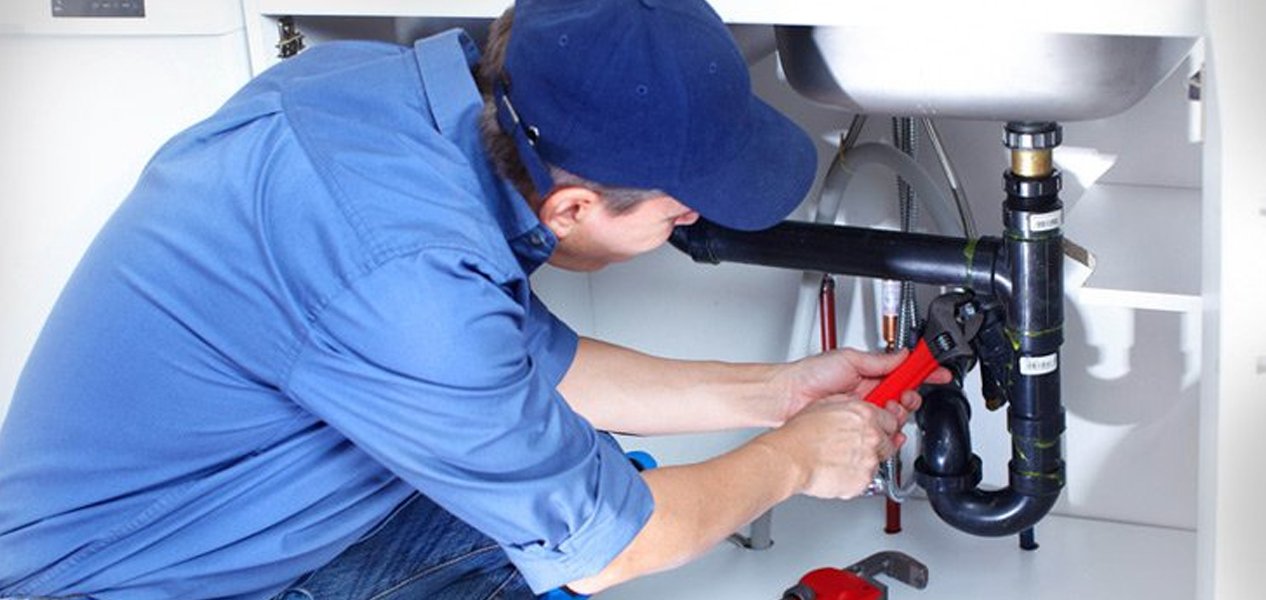
Start by identifying the source and closing the appropriate valve when safe. Avoid risky repairs and give your plumber accurate information about the problem.
American Plumbing Co. helps San Diego homeowners with leaks, drain problems, and urgent plumbing repairs. With over 40 years of local experience, our team understands common household plumbing concerns.
Frequently Asked Questions About Plumbing Emergencies
Should I Turn Off My Water Before the Plumber Arrives?
Yes, closing the appropriate valve can help control active supply pipe leaks. However, not every plumbing emergency involves the incoming water supply. For a sewer backup, stop using affected fixtures instead. Ask your plumber for guidance when you cannot identify the cause.
Can I Use My Toilet While Waiting for an Emergency Plumber?
Avoid using a toilet that overflows or has a blocked drain. If other fixtures also back up, stop using the home’s plumbing system. A toilet in another bathroom may share the same blocked sewer line. Using it could send additional wastewater toward an existing blockage.
What if I Cannot Find the Main Water Shutoff Valve?
Check near the water meter or where the supply enters your property. Garages and utility areas may also contain accessible shutoff valves. If you cannot locate one, contact your plumber for further guidance. Your water utility may also explain where your service controls sit.
Should I Clean Up Water Before the Plumber Gets Here?
You can remove small amounts of clean water when conditions remain safe. However, never enter flooded areas with possible electrical hazards. Avoid ordinary cleanup when sewage or other contamination affects the area. Extensive water damage may require a separate restoration service after plumbing repairs.
Do I Need to Call My Insurance Company After a Plumbing Emergency?
Contact your insurance company when the incident causes significant property damage. Explain what happened and ask whether your policy may cover the loss. Keep photographs, repair invoices, and records of any emergency cleanup work. Coverage varies according to the policy terms and damage circumstances.