
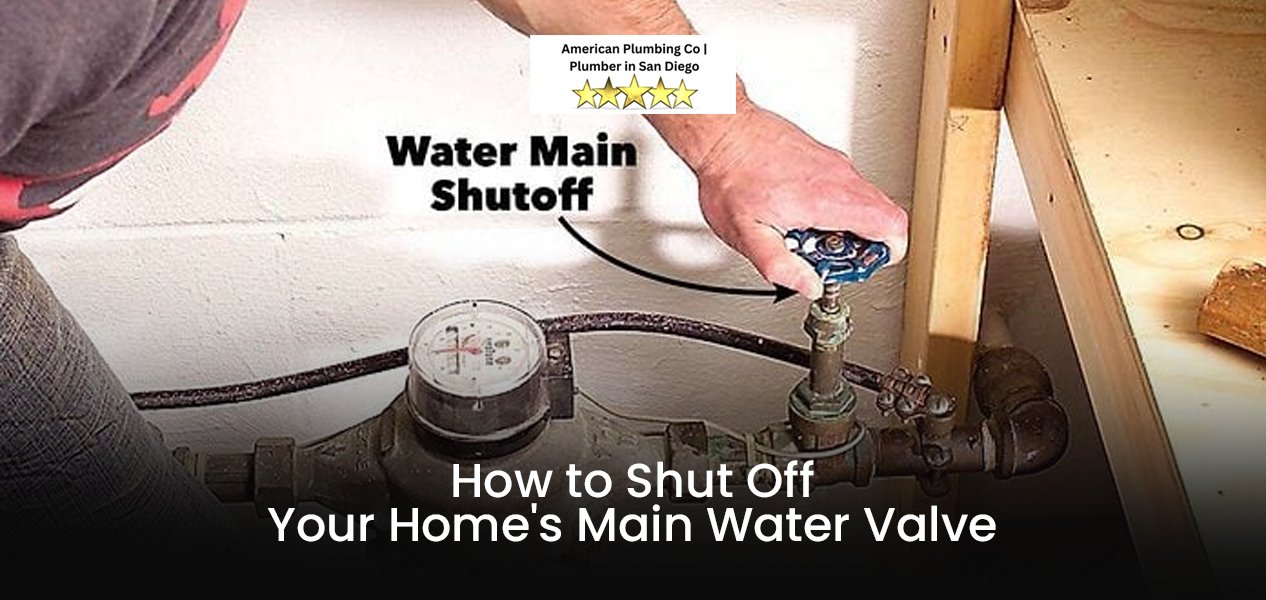
How to Shut Off Your Home's Main Water Valve
A broken pipe can flood your kitchen before you find the right valve. Water may spread beneath cabinets, damage flooring, or reach nearby electrical outlets. Knowing how to shut off the main water valve can help limit this damage.
However, the valve may look different depending on your home’s plumbing system. Some sit outdoors, while others hide inside garages or utility rooms. This guide explains where to find yours and how to operate it safely. You will also learn how to check whether the water has stopped.
Why Knowing Your Main Water Shutoff Valve Matters
Imagine finding water beneath your kitchen cabinets while preparing dinner. You open the cabinet and notice water spraying from a damaged pipe. Rather than searching for tools, you need to stop the incoming water. Knowing your main valve’s location saves valuable time during this situation.
Your main shutoff valve controls the water entering your home’s plumbing system. Closing it can stop water reaching sinks, toilets, showers, and connected appliances. However, water already inside pipes may continue draining briefly. Some homes also have separate supplies for outdoor fixtures or fire protection systems.
You may need this valve for planned repairs as well. Replacing a faucet or fixing a damaged supply pipe may require water isolation. However, a small fixture leak might only need its local valve. Knowing the difference helps avoid cutting water to your entire home.
For more information about urgent household leaks, read our guide on what counts as a plumbing emergency.
Where Is the Main Water Shutoff Valve Located?
The main water shutoff valve location depends on your home’s age and layout. In most homes, the valve sits near the incoming water supply pipe. Look for a pipe entering through an exterior wall or rising from the ground. Start with areas you can reach without moving heavy objects.
Check Outside Near Your Home’s Water Supply
Many San Diego homes have outdoor water valves near their exterior walls. Walk along the front or side of your home. Look for an exposed water pipe with a round handle or lever. Sometimes, the valve sits near an outdoor faucet.
Do not assume every outdoor valve controls the entire house. Some valves supply irrigation systems, garden faucets, or separate plumbing lines. Follow visible pipes when possible and check any existing labels. If you cannot identify the correct valve, ask a plumber before turning unfamiliar controls.
Look Inside the Garage or Utility Room
Some homes have their main shutoff valve inside a garage or utility room. Check where the water supply pipe enters the building. You may find the valve near other plumbing equipment or along an interior wall.
Older homes may place shutoff valves in basements or crawl spaces. However, never enter a confined or unsafe area just to locate one. In apartments or shared buildings, the main valve may serve several units. Contact building management before closing any shared supply.
Understand the Difference Between the Water Meter and Main Valve
Your water meter measures how much water the property uses. Meanwhile, the main shutoff valve controls water flowing into your plumbing system. The two may sit close together, but they serve different purposes. That distinction matters when water begins leaking.
In San Diego, water meters often sit inside boxes near the street. A separate customer valve may sit on the property’s supply line. Avoid operating sealed or utility-controlled equipment without permission. If the correct valve remains unclear, contact your water provider or plumber.
How to Identify Different Main Water Shutoff Valves
Most homeowners encounter two common valve types: ball valves and gate valves. Their handles look different and require different turning movements. Before shutting off the supply, check which style your home uses. This simple check helps prevent damage to older plumbing parts.
Ball Valves Have Straight Lever Handles
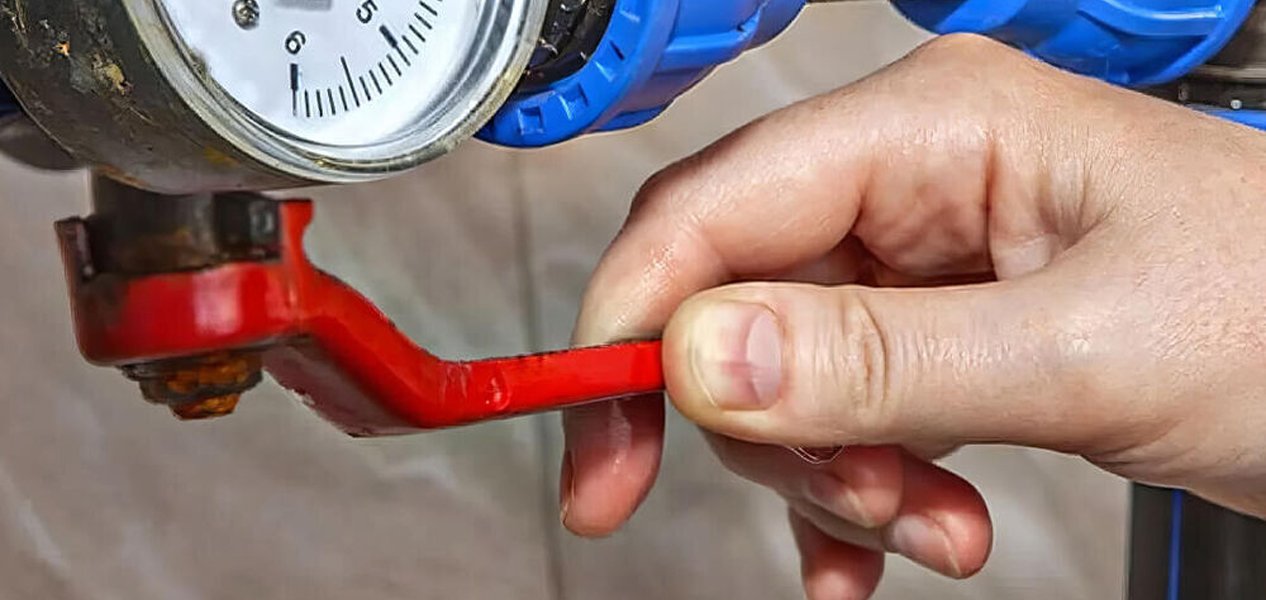
A ball valve usually has a straight metal handle attached to its body. When the handle runs parallel to the pipe, the valve is normally open. Turning it one-quarter turn moves the handle across the pipe. This position generally closes the water supply.
You should feel the handle reach its normal stopping point. Do not push that position beyond or use extra tools. Some handles become stiff after years without regular use. If yours resists movement, a plumber can inspect it for wear or damage.
Gate Valves Have Round Wheel Handles
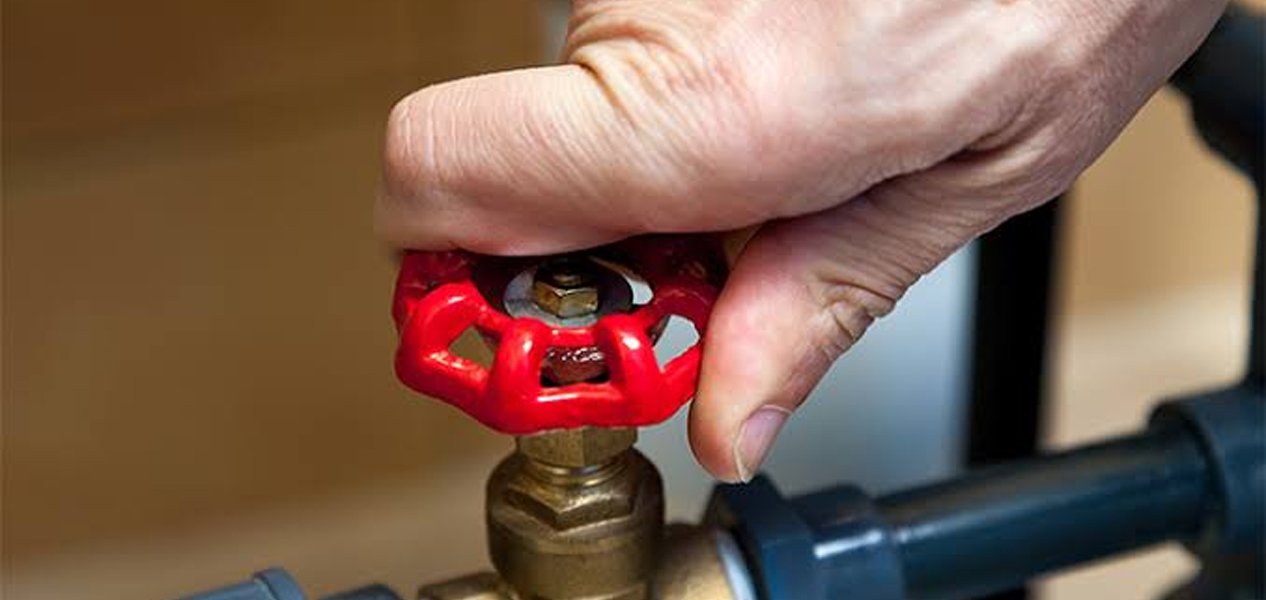
A gate valve usually has a round handle resembling a small wheel. Unlike a ball valve, it needs several turns to close. Turn the wheel clockwise using steady hand pressure. Stop when the handle reaches its normal closed position.
Older gate valves can become difficult to operate over time. Internal parts may wear or collect mineral deposits. A valve that suddenly feels loose or sticks may need repair. Avoid using a wrench to force the wheel because its internal parts could break.
How to Shut Off the Main Water Valve Step by Step
Once you locate the correct valve, shutting off the water is usually simple. However, check the surrounding area before touching any plumbing controls. Standing water near outlets or electrical equipment can create serious hazards. Stay away from unsafe areas and contact qualified help when necessary.
Step 1: Confirm You Have the Correct Water Valve
First, identify the main supply pipe entering your home. Check whether the valve connects to the household water line. Avoid irrigation controls or valves marked for fire protection. If the pipe connections remain unclear, request guidance rather than guessing.
A fixture valve may be enough for a leaking toilet or sink. However, major pipe damage often requires the main shutoff. Choosing the correct valve helps limit water loss without interrupting unrelated systems.
Step 2: Turn the Valve in the Correct Direction
For a gate valve, slowly turn the wheel clockwise. Continue until it reaches its closed position without applying excessive force. For a ball valve, turn the lever one-quarter turn. The handle should finish across the pipe rather than alongside it.
Use steady pressure and watch for leaks near the valve body. Stop immediately if the handle cracks or water begins escaping. Damaged valves may require professional water leak repair before the supply can be controlled safely.
Step 3: Check Whether the Water Has Stopped
After closing the valve, open a cold water faucet inside your home. You may notice a brief flow as water leaves the pipes. The flow should slow and eventually stop when the supply is isolated.
If water continues flowing strongly, close the faucet and reassess the situation. You may have selected the wrong valve or found a faulty shutoff. Do not attempt to dismantle the valve while the water remains pressurized.
Step 4: Leave the Supply Off Until Repairs Are Complete
Once the water stops, keep the main valve closed during necessary repairs. Tell other household members why the supply is off. Avoid running washing machines, dishwashers, or other appliances that need incoming water.
Water heaters also require care during longer shutdowns or pipe draining. Follow the manufacturer’s instructions and ask a plumber about unfamiliar controls. Never restore power to an empty electric water heater because its heating elements can suffer damage.
What if Your Main Water Shutoff Valve Is Not Working?
A main water valve should stop incoming water when it closes properly. However, older valves sometimes develop problems after years without regular use. Internal wear, corrosion, or damaged seals can affect their operation. Knowing these warning signs helps you avoid making the problem worse.
What to Do When the Main Water Valve Is Stuck
A stuck valve may feel unusually tight or refuse to move. This often happens when corrosion or mineral deposits affect older components. Although extra force may seem helpful, it can break the handle or internal parts. Stop turning if the valve resists normal hand pressure.
Check whether rust, moisture, or cracks appear near the valve body. These signs may indicate damage that requires professional attention. American Plumbing Co. provides plumbing repair services for San Diego homeowners. A plumber can inspect the valve and recommend a suitable repair or replacement.
Why Water Keeps Running After You Close the Valve
Water may continue flowing briefly after you close the main supply. This happens because water remains inside household pipes and storage tanks. However, a steady stream that never slows may indicate another problem. The valve might be damaged or control a different water line.
Check whether other cold water faucets also have a steady flow. If they do, the main supply may remain open. Avoid dismantling the valve or disconnecting pipes under pressure. Ask a plumber to identify the failed component before attempting further changes.
What if Water Leaks Around the Shutoff Valve?
Moisture around a valve does not always come from nearby pipes. Worn internal seals or damaged connections may allow water to escape. Sometimes, a slow drip appears only when someone turns the handle. This can reveal a problem that previously remained hidden.
Avoid tightening unfamiliar fittings while the system remains under pressure. Instead, note where the water appears and contact a plumber. Professional inspection can determine whether the valve needs repair or replacement. Leaving an active leak untreated may damage nearby walls or flooring.
How to Turn Your Main Water Supply Back On Safely
Restoring water requires more care than simply turning the handle open. After repairs, confirm that all plumbing connections are secure. Check whether the plumber has cleared the system for normal use. Never reopen the supply while an active leak remains unresolved.
Open the Main Water Valve Slowly
Begin by making sure the repair work has finished. Then, gradually open the main valve using its normal operating direction. A ball valve opens when its handle aligns with the pipe. A round gate valve generally opens by turning the wheel counterclockwise.
Pause briefly as water begins filling the household plumbing system. Listen for unusual sounds and watch exposed connections for leaks. Open the valve fully to its normal operating position without forcing it. If you notice fresh leakage, stop and contact your plumber.
Remove Trapped Air and Check Your Faucets
After restoring water, some faucets may sputter or release small bursts of air. This can happen when air enters pipes during repairs. Open a cold water faucet slowly and let the flow settle. Follow any specific flushing instructions your plumber provides.
Check several fixtures to confirm that normal water flow has returned. Look beneath sinks and around recently repaired connections for moisture. If faucets continue sputtering or water pressure remains unusually low, report these changes. They may indicate a remaining plumbing problem.
Check for Leaks and Water Pressure Problems
After restoring the supply, inspect exposed valves and pipe connections. Watch for dripping water or unexpected changes in faucet pressure. Sudden pressure changes may indicate a separate problem within the system.
A faulty pressure regulator can also affect household water flow. Learn more about water pressure regulator repair in San Diego if these problems continue. A plumber can measure pressure and identify the cause before recommending repairs.
Common Mistakes to Avoid When Shutting Off Water
Do Not Force Old or Damaged Valve Handles
Older shutoff valves may become difficult to turn after years of use. Applying excessive force can damage the handle or break internal components. This may leave you unable to stop an active leak. Use normal hand pressure and stop if the valve resists movement.
Avoid Turning Off Unfamiliar Plumbing Controls
Not every valve near your water meter controls household water. Some valves serve irrigation lines or fire sprinkler systems. Closing the wrong control may interrupt an important service without stopping the leak.
Avoid operating utility equipment without authorization. In San Diego, the water provider controls its own meters and related equipment. If you cannot identify your valve, ask the utility or a licensed plumber.
Do Not Restore Water Before Repairs Are Complete
Opening the main supply too early can restart a serious leak. Water may enter damaged pipes before anyone notices the problem. This can affect cabinets, flooring, and nearby household equipment.
For more information, read our guide about how reliable water leak repair prevents expensive home damage. It explains why identifying the actual source matters during repairs.
How to Keep Your Main Water Shutoff Valve Ready for Emergencies
Finding your shutoff valve during an emergency can take valuable time. Instead, identify its location before a plumbing problem develops. Make sure household members know which valve controls the main supply. A clearly marked valve can make future water problems easier to manage.
Check the surrounding area for moisture, rust, or damaged pipe connections. Keep boxes and stored belongings from blocking access. Ask a plumber to inspect older valves during routine plumbing visits. Avoid testing a stiff valve without professional guidance.
You can also keep a photograph showing the valve’s exact location. Share this information with other adults living in your home. If your property has shared plumbing controls, contact building management for instructions. These preparations can prevent confusion when quick decisions become necessary.
Need Help With Your Main Water Shutoff Valve in San Diego?
Knowing how to shut off the main water valve helps protect your home during plumbing problems. However, a stuck or leaking valve may require professional repair. Ignoring these signs can leave your household without a working emergency shutoff.
American Plumbing Co. provides main water valve repairs and replacements in San Diego. Our licensed plumbing team has served local homeowners since 1983. We inspect damaged valves and explain the repair options before work begins.
Frequently Asked Questions
Where Is the Main Water Shutoff Valve Usually Located?
The valve often sits near the point where water enters your home. Common locations include garages, basements, utility rooms, and exterior walls. In San Diego, some properties have accessible valves near outdoor water meters. Check your property’s plumbing layout before operating any unfamiliar controls.
Which Way Do I Turn the Main Water Valve to Shut It Off?
Most round gate valves close when you turn their handles clockwise. Continue turning gently until the valve reaches its normal closed position. For a ball valve, turn the straight handle across the pipe. Do not force either valve if it resists normal hand pressure.
How Can I Tell if My Main Water Valve Is Completely Closed?
Open a cold water faucet after closing the main valve. Water already inside the pipes may flow briefly before stopping. If a strong stream continues without slowing, the supply may remain open. A failed valve or incorrect shutoff location could explain the problem.
What Should I Do if My Main Water Shutoff Valve Is Stuck?
Stop turning the handle if you notice unusual resistance. Forcing an old valve may damage its internal parts or connections. Contact a licensed plumber to inspect the problem. The valve may need replacement if corrosion or mechanical wear prevents normal operation.
Why Is Water Still Running After I Turn Off the Main Valve?
Water remaining inside pipes may continue draining after the main supply closes. This should gradually slow at an ordinary cold water faucet. However, steady flow may indicate an incomplete shutoff or faulty valve. A separate supply connection could also explain why water continues running.