Emergency Plumbing Checklist for Homeowners
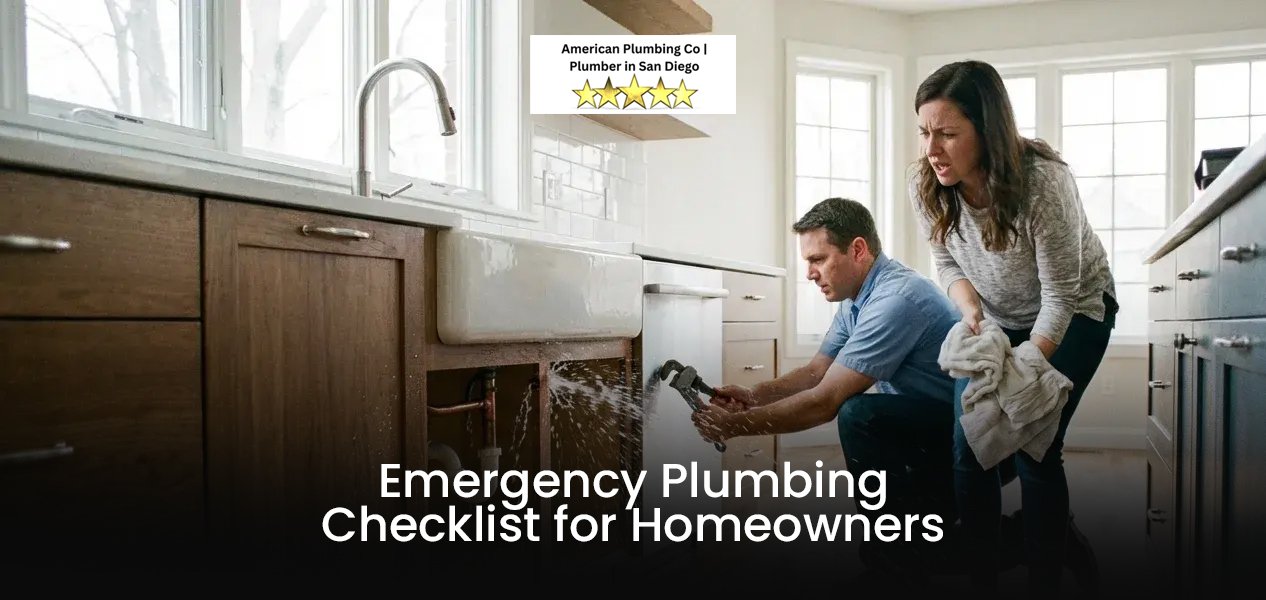
A burst pipe can flood your kitchen before anyone notices the leak. Water spreads beneath cabinets while you search for the main valve. Without a plan, even simple decisions can become difficult during an emergency.
A practical emergency plumbing checklist helps homeowners prepare before problems begin. It also explains which warning signs need immediate attention. From keeping useful supplies to checking hidden leaks, preparation makes a difference. This guide covers what to check, how to respond, and what matters after repairs.
Why Every Home Needs an Emergency Plumbing Checklist
Plumbing problems rarely happen when someone has time to prepare. A washing machine hose may fail during a busy morning. Likewise, a blocked drain might send wastewater into the bathroom. Knowing where to find important plumbing controls helps homeowners respond without unnecessary confusion.
A written checklist keeps useful details in one accessible place. It should include emergency contacts, water valve locations, and important appliance information. This becomes especially helpful when another household member notices the problem first. Everyone can follow the same basic plan.
For example, imagine a pipe leaking while you are away. Someone at home should know whom to call and which areas to avoid. A clear household plan helps them make decisions without guessing. It also gives the plumber useful information when professional assistance becomes necessary.
Prepare Your Plumbing Emergency Plan Before Problems Start
Find and Record Important Water Shutoff Locations
Every homeowner should know where the main water valve sits. Check near the incoming supply pipe or other accessible plumbing areas. Then, record its location and take a clear photograph. Keep this information somewhere other household members can easily find it.
Also, identify the separate valves beneath sinks and behind toilets. These controls may stop water entering one affected fixture. However, a main supply problem may require a different shutoff. Ask a licensed plumber to explain unfamiliar valves before you need them.
Create a Household Plumbing Emergency Contact List
Save your preferred plumber’s phone number before an urgent problem occurs. Add the local water utility and property manager when applicable. Keep these numbers on your phone and on a household reference sheet. Include your property address and any special access instructions.
Homeowners in San Diego can contact American Plumbing Co. for emergency plumbing service. The company serves San Diego and nearby communities seven days a week. Before an emergency, review its published hours and contact information. This helps you plan whom to call when urgent repairs become necessary.
Keep Plumbing Records and Appliance Details Together
Gather recent repair invoices, appliance manuals, and plumbing inspection records. Note the age of major equipment when that information is available. Include details about previous leaks or recurring drain problems. These records may help a plumber understand what changed since an earlier repair.
A simple folder works well for most households. You can also store copies on your phone or computer. For rental homes, include the landlord’s repair contact and approval instructions. Avoid keeping these details somewhere only one household member can access.
Build a Practical Plumbing Emergency Kit
Keep Basic Supplies in One Accessible Place
An effective plumbing emergency kit does not need expensive equipment. Start with a flashlight, spare batteries, absorbent towels, and a sturdy bucket. Add protective gloves for handling dry materials and basic household cleanup. Keep everything together where family members can reach it easily.
A waterproof pouch can protect written contacts and important instructions. You may also include a battery-powered work light. Choose supplies that help with visibility and minor clean water spills. Never use electrical equipment in standing water or near unsafe outlets.
Know Which Tools Homeowners Should Avoid
Not every plumbing tool belongs in an emergency response kit. Large pipe wrenches and drain chemicals can create problems without proper experience. A stuck valve may break when someone applies excessive force. Chemical cleaners can also leave hazardous substances inside blocked plumbing.
Your kit should support safe actions rather than major plumbing repairs. Keep ordinary cleaning supplies separate from tools meant for trained workers. If the problem involves sewage or electrical hazards, avoid attempting cleanup. Professional equipment may be necessary for those conditions.
Check Your Supplies Before They Are Needed
A flashlight offers little help when its batteries no longer work. Check your emergency supplies periodically and replace damaged items. Wash or replace used towels before returning them to storage. Make sure everyone knows where the household kit stays.
Review the kit after moving into another home or changing plumbing equipment. A new appliance may introduce supply connections you did not previously have. Add useful details to your household reference sheet. This keeps your preparation relevant to the home’s current plumbing layout.
Recognize Plumbing Problems That Need Immediate Attention
Burst Pipes and Water Leaks That Keep Spreading
A small drip beneath a faucet usually differs from uncontrolled flooding. Water spraying from a damaged pipe can affect several nearby surfaces. It may reach walls, flooring, or electrical equipment before help arrives. Active leaking that cannot be controlled needs prompt professional attention.
Hidden leaks may develop more slowly and remain unnoticed for weeks. Damp cabinets, fresh wall stains, or unexplained moisture deserve closer inspection. American Plumbing Co. provides water leak repair services in San Diego for visible and concealed plumbing problems. Early inspection can help identify the source before damage spreads.
Sewer Backups and Multiple Blocked Drains
One slow bathroom sink does not always indicate a major emergency. However, several drains backing up together suggest a broader drainage problem. Wastewater appearing inside a shower or bathtub requires immediate attention. Stop using affected fixtures and keep household members away from sewage.
Repeated drain problems also provide useful warning signs before a major backup. Our guide to seven warning signs of main sewer line problems explains these changes. For example, unusual drain sounds and repeated backups may indicate trouble farther down the line.
Water Heater Leaks and Sudden Loss of Water
Water collecting beneath a heater may come from a valve or connection. However, a leaking tank can also release significant amounts of hot water. Avoid touching unfamiliar equipment when water reaches electrical components. A suspected gas leak requires immediate evacuation and a call from outside.
A sudden loss of water throughout the home also deserves investigation. First, check whether nearby properties have the same service interruption. A public supply issue may require contacting the water utility. When only your property loses water, a plumbing inspection may be necessary.
Know Which Plumbing Problems Can Wait
Not every plumbing issue requires an urgent service visit. A slow faucet drip may remain contained inside the sink. Similarly, one sluggish drain may still allow normal use elsewhere. These problems still need attention, but regular scheduling may be appropriate.
The situation changes when water reaches floors or essential fixtures stop working. Before deciding, consider the damage, safety risks, and available alternatives. Our article on what counts as a plumbing emergency explains these differences in more detail. It helps homeowners judge when professional attention becomes urgent.
What to Do During a Plumbing Emergency
Put Household Safety Before Plumbing Repairs
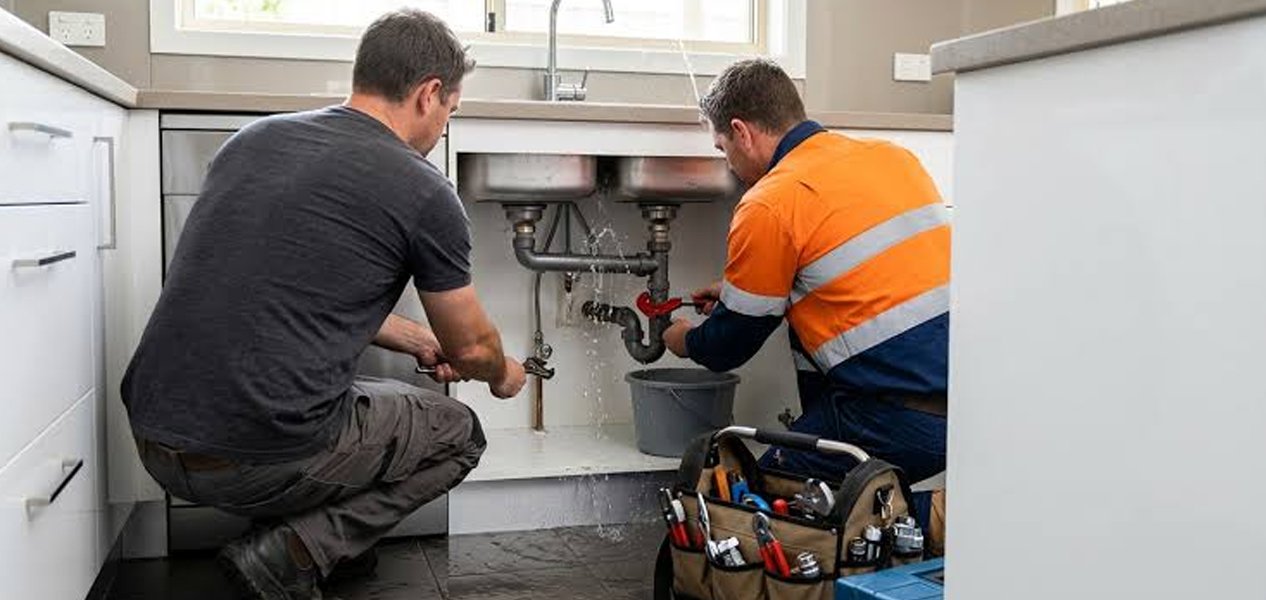
When a plumbing emergency begins, check whether anyone faces immediate danger. Keep children and pets away from flooded rooms or exposed plumbing. If water reaches electrical outlets, avoid entering the affected space. Contact qualified help instead of attempting repairs near unsafe equipment.
A suspected gas leak requires a different response from a water leak. Leave the building and contact your gas utility from outside. Likewise, avoid direct contact with sewage or contaminated water. Personal safety should guide every decision before professional assistance arrives.
Match Your First Action to the Plumbing Problem
Different plumbing emergencies require different actions, even when the damage looks similar. A leaking supply pipe may require closing its water valve. However, a sewer backup requires stopping household wastewater use. Knowing this difference helps you avoid making an existing problem worse.
Use this emergency plumbing checklist when deciding what to do:
- Burst pipe: Stop the incoming water supply when you can safely reach the valve.
- Overflowing toilet: Stop flushing and avoid using the affected fixture.
- Sewer backup: Stop using connected drains, toilets, and washing machines.
- Water heater leak: Avoid hot water and unsafe electrical or gas controls.
- Major flooding: Stay clear of electrical hazards and report the affected areas.
For active sewer problems, professional sewer line repair services may be necessary. A plumber can inspect the drainage system and identify the cause.
Give the Plumber Useful Information
Before the service visit, write down the symptoms you noticed first. Include when the problem started and which fixtures stopped working. Mention any unusual sounds, standing water, or previous repairs. These details help the plumber understand the situation before inspecting your system.
Also, ask about service charges and the expected inspection process. Request an explanation of any proposed repairs before approving the work. If damage affects several rooms, explain those conditions during your call. Clear communication helps prevent confusion when the plumber arrives.
Common Emergency Plumbing Mistakes Homeowners Should Avoid
Avoid Temporary Fixes That Can Cause More Damage
A leaking connection may tempt homeowners to tighten nearby fittings immediately. However, excessive force can damage old valves or weakened pipe joints. Chemical drain cleaners may also create problems inside blocked drains. Avoid opening plumbing connections without knowing whether the water supply remains active.
Do not repeatedly flush a toilet to test an unresolved blockage. Likewise, never restore water before the plumber confirms repairs are complete. These actions may increase damage instead of solving the original problem. Focus on safe precautions rather than unfamiliar repair methods.
Do Not Ignore Small Changes After the Emergency
Once the immediate problem stops, other symptoms may still need attention. A repaired leak might leave damp materials inside cabinets or walls. Unusual drain sounds may also continue after an obstruction clears. Report these changes instead of assuming the entire problem has ended.
What to Check After Emergency Plumbing Repairs
Test the Repaired Fixtures and Water Flow
After the plumber finishes, ask which fixtures are safe to use. Run the affected faucet or appliance according to the plumber’s instructions. Check nearby connections for fresh moisture and watch how water drains. Report any continued leaking or unusual pressure changes.
For water heater repairs, confirm that the technician has restored safe operation. Do not restart unfamiliar equipment without suitable guidance. Ask whether any remaining plumbing problems need another inspection. This helps you understand the condition of your household system.
Check for Moisture and Keep Repair Records
Water may remain beneath flooring even after the visible leak stops. Check accessible cabinets, baseboards, and nearby walls for dampness. The EPA recommends drying wet materials within 24 to 48 hours when possible. Extensive damage may require professional drying and restoration.
Keep the repair invoice and any written recommendations from your plumber. Ask about applicable warranties and future maintenance needs. If you plan to contact your insurer, save photographs and cleanup receipts. Insurance coverage depends on the policy and cause of damage.
How to Reduce Future Plumbing Emergencies
Inspect Visible Plumbing Connections Regularly
A monthly visual check can reveal early signs of plumbing trouble. Look beneath sinks for moisture, rust, or stains around pipe connections. Check washing machine hoses for cracks, swelling, or visible wear. Report damaged parts before they develop into active leaks.
Also, pay attention to changes in household water pressure. Persistent pressure problems can place extra strain on plumbing fixtures. American Plumbing Co. offers water pressure regulator services for homes with related concerns. A plumber can check whether pressure control equipment needs attention.
Review Your Household Plumbing Plan
Review your emergency contact list whenever phone numbers or service providers change. Check that important valves remain accessible and clearly marked. Replace used emergency supplies and update appliance details after repairs. Share the checklist with anyone responsible for the property.
Before leaving for a long trip, inspect visible plumbing for leaks. Consider whether appliance supplies should be closed according to manufacturer guidance. These simple checks can reveal problems before the home sits empty.
Keep Your Home Ready for Unexpected Plumbing Problems
An emergency plumbing checklist gives homeowners a practical plan before problems begin. Keep important contacts nearby, inspect visible connections, and recognize warning signs early. When trouble occurs, protect your household and contact qualified help.
American Plumbing Co. provides plumbing repairs throughout San Diego and its surrounding service communities. Our licensed team handles leaks, drain problems, and other urgent plumbing concerns.
For professional plumbing assistance, call American Plumbing Co. You can also review our San Diego plumbing services for additional repair options.
Frequently Asked Questions
What Should Homeowners Include in an Emergency Plumbing Checklist?
Include water valve locations, emergency contacts, appliance details, and important repair records. Add instructions for reporting leaks and protecting household members. Keep the checklist accessible so another adult can use it. Update the information whenever your plumbing system changes.
Which Plumbing Problems Need Immediate Professional Attention?
Uncontrolled pipe leaks, sewage backups, and major water heater failures may require urgent help. Water near electrical equipment also creates serious safety concerns. A minor faucet drip may allow a scheduled repair. However, increasing water damage or unsafe conditions require faster action.
What Supplies Should You Keep in a Plumbing Emergency Kit?
Keep a flashlight, working batteries, clean towels, and a sturdy bucket. Store important phone numbers where household members can find them. These supplies can help with visibility and small clean water spills. Avoid using electrical tools in wet or unsafe areas.
How Often Should Homeowners Update Their Plumbing Emergency Checklist?
Review your checklist at least once a year and after major plumbing repairs. Check emergency contacts, valve locations, and the condition of stored supplies. Update household instructions whenever new appliances or plumbing controls are installed. Regular reviews help keep the information useful.
What Should You Check After an Emergency Plumbing Repair?
Check the repaired fixtures for normal water flow and visible leaks. Look for moisture near affected floors, cabinets, and walls. Ask your plumber about any remaining concerns or maintenance needs. Save repair documents and report problems that continue after service.