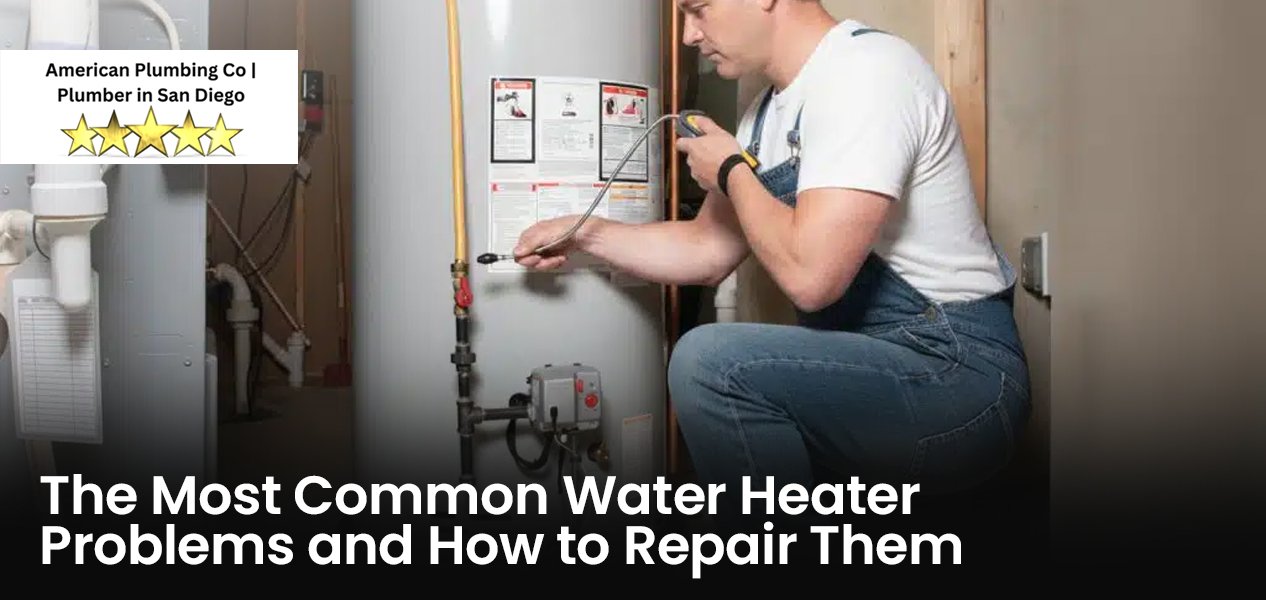
The Most Common Water Heater Problems and How to Repair Them
A cold shower can quickly turn a normal morning stressful. Leaks, strange sounds, and weak heat often signal deeper issues. Some faults come from simple parts, while others need expert care. Knowing the cause helps you choose the right fix sooner.
Good water heater repair starts with clear checks, not guesswork. This guide explains common signs, likely causes, and repair options. You will learn what to inspect before calling a plumber. It also shows when repair makes sense and when replacement works better.
Common Water Heater Problems, Warning Signs, and First Checks
A water heater often gives warning signs before complete heating failure. Weak heat, leaks, strange sounds, or shutdowns may appear first. Reading those signs can make the repair process much clearer. Start with the main symptom, then connect it with likely causes.
Why a Water Heater Stops Heating
When a water heater stops heating, the cause depends on system type. Electric models often fail due to breaker, thermostat, or heating element faults. Gas models may lose heat due to pilot or flame sensor problems. Both systems can also suffer from sediment, age, or control failure.
A tripped breaker can stop an electric heater without much warning. After a power outage, some models may also need resetting. However, repeated breaker trips usually point toward another electrical fault. A failed element, loose connection, or thermostat may cause repeated shutdowns.
Gas heaters can stop when the pilot flame goes out. A worn thermocouple may also stop normal gas flow completely. Newer models may use flame sensors instead of older pilot parts. Gas control valve trouble can interrupt normal burner operation.
Warning Signs That Point Toward Water Heater Trouble
A complete loss of hot water is only one warning. Many common water heater problems begin with smaller performance changes.
- Hot water fades quickly, or normal temperature never returns.
- Popping sounds, repeated shutdowns, or breaker trips suggest internal faults.
- Rusty water, visible leaks, or valve drips need closer inspection.
- Rising energy use, pilot loss, or slow heating shows poor performance.
The reset button may also trip after normal electrical power returns. Older tanks with leaks and corrosion may justify replacement instead. Newer units with one failed component may still need repair.
Why Your Water Heater Keeps Turning Off
Repeated shutdowns usually point toward a fault needing proper diagnosis. Electric high-limit controls may trip when water temperature gets too high. Faulty thermostats can keep heating elements powered longer than required. Shorted elements or loose wiring can also trip breakers repeatedly.
Gas systems may shut down when flame sensing becomes unreliable. Burner dirt can interfere with stable flame detection during cycles. Vent or draft problems may stop some modern gas systems.
Hidden Causes Behind Weak or Limited Hot Water
Sediment can collect inside storage tanks and reduce usable capacity. It can also create popping sounds during normal heating cycles. Heavy scale may slow heat transfer and raise energy use.
A failed dip tube creates another type of heating problem. Incoming cold water may mix near the tank’s upper section. That mixing can make hot water disappear much sooner than expected.
Thermostat faults can also create unstable or weak water temperature. Incorrect settings may leave water consistently cooler than household needs. A failed lower element can reduce available hot water volume.
Rusty hot water may point toward corrosion or anode wear. When cold water looks rusty too, check the supply first. Relief valve drips may involve excessive pressure or high temperature. Tank leaks can also result from corrosion or failed connections.
How to Diagnose Problems Before Calling a Plumber
Before calling a plumber, start with simple visual and system checks. Confirm whether every hot water fixture has the same problem. One faulty shower may indicate a local mixing valve issue. Whole-home heating loss usually points back toward the water heater.
Next, review recent changes involving power, gas, or water demand. A power outage may explain a reset or breaker problem. Higher household demand can expose an undersized storage tank quickly. Sudden output loss may suggest a failed heating component instead.
Inspect the unit for visible clues without opening electrical panels. Look for puddles, rust marks, valve drips, and damp fittings. A higher energy bill can also reveal poor heating performance. Longer heating cycles may reflect sediment, scale, or worn components.
What Commonly Causes Water Heater Failure?
Most water heater failures fall within several common groups. Age, mineral buildup, heat stress, part wear, and poor upkeep matter.
- Electrical faults can affect elements, thermostats, breakers, and reset controls.
- Gas faults can affect pilots, sensors, burners, and control valves.
- Sediment can reduce heat transfer and usable storage capacity.
- Corrosion can weaken tanks, fittings, rods, and metal connections.
- Pressure faults can trigger leaks around relief system components.
Good water heater repair begins with correct symptom matching first. Basic checks can show whether trouble is local or system-wide. Persistent leaks, repeat trips, gas faults, or corrosion need expert review. Early diagnosis reduces guesswork and points toward the proper repair.
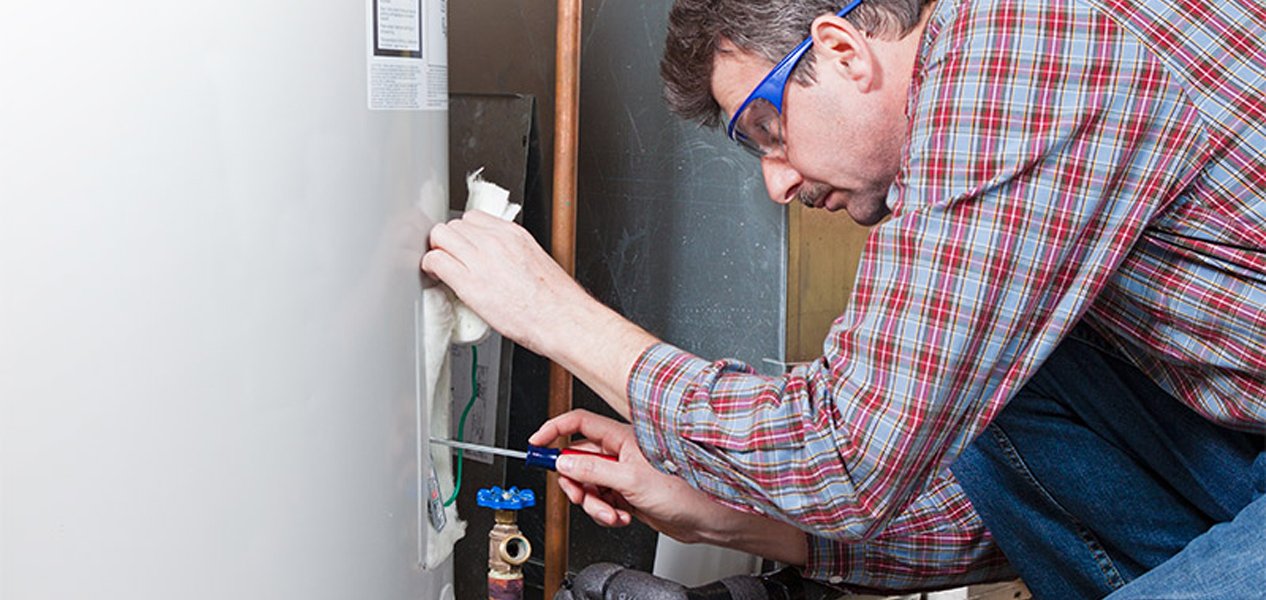
No Hot Water? How to Find the Cause
Losing hot water can disrupt showers, cleaning, and daily routines quickly. The right check depends on where the problem appears first. A whole-house loss usually points toward the heater or supply. One cold shower may instead involve a fixture or mixing valve.
Before changing any parts, confirm how widespread the issue appears. This first step can prevent wasted time and incorrect repairs.
Check Whether the Problem Affects Every Fixture
Turn on hot water at several sinks and showers. Compare how each fixture responds after running briefly.
If every fixture stays cold, inspect the heater first. If one shower stays cold, check that fixture separately. A failed mixing valve can block hot water locally. This issue can look like a heater fault initially.
A sudden loss of hot water may follow another event. Consider recent power outages, gas interruptions, or heavy household demand. These clues can narrow the cause before further checks begin.
What to Check on an Electric Water Heater
Electric heaters depend on steady power and working heating parts. A tripped breaker can stop heat production without other symptoms. Check the electrical panel before assuming an internal part failed.
Some units also contain a high-limit reset control. That control can trip after excess heat or electrical trouble. Resetting once may restore operation after a minor interruption.
Repeated trips usually point toward a deeper electrical problem. Common causes include thermostat faults or failed heating elements. Loose electrical connections can also interrupt normal heating cycles.
A burned lower element may create a different symptom. Some hot water remains, but available volume falls quickly. Dual-element systems may still heat partly after one element fails.
Why Gas Heaters Can Stop Producing Hot Water
Gas heaters require steady fuel, ignition, and proper flame sensing. A pilot flame that stays out prevents normal burner operation.
Check whether the gas supply remains available to the heater. Gas service can remain active while one control still fails. A faulty thermocouple may close gas flow after ignition.
Modern units may use flame sensors instead of older thermocouples. A dirty or failed sensor can interrupt burner operation repeatedly. Gas valve trouble can also stop heat despite available fuel.
Flame color can provide another useful clue during operation. A steady blue flame usually shows cleaner gas combustion. Yellow or unstable flames need trained service and closer inspection.
Intermittent Hot Water Needs a Different Diagnosis
Hot water that comes and goes requires different troubleshooting. The heater may work, but output can remain unstable.
Several issues can reduce or interrupt available hot water:
- A thermostat may cycle at the wrong temperature.
- Sediment can reduce usable tank space and heat transfer.
- A damaged dip tube can mix cold water early.
- One heating element may stop working during normal demand.
Incorrect thermostat settings can also create weak heating results. Household demand may exceed the tank during busy periods. That problem often appears during morning showers or laundry cycles.
Other Signs That Change the Diagnosis
Some symptoms suggest problems beyond simple heating failure. A leaking top connection may reduce pressure or create moisture. Condensation can also resemble a leak during certain conditions.
A dripping pressure relief valve can indicate pressure trouble. That symptom should not be treated as heating failure alone. Strange noises may point toward sediment or mineral buildup inside.
Rusty or discolored hot water may suggest internal corrosion. Compare hot and cold water before blaming the tank. If both appear discolored, inspect the supply or piping.
A strange smell can also change the likely cause. Odors may involve water quality, bacteria, or anode reactions. Heater age matters when several symptoms appear together.
A unit that will not drain may contain heavy sediment. That condition can block the drain valve during service.
What to Check Before Repair Work Begins
A simple order can make troubleshooting much more accurate. Start with the symptom, then move toward likely components.
- Confirm whether every fixture has the same problem.
- Check power, gas supply, and recent service interruptions.
- Review thermostat settings before replacing heating parts.
- Note leaks, sounds, odors, rust, and repeated shutdowns.
If hot water disappears suddenly, avoid guessing between components. Match each symptom with the heater type and recent changes. That approach helps separate simple settings from real part failure. Persistent shutdowns or gas faults usually need skilled inspection.
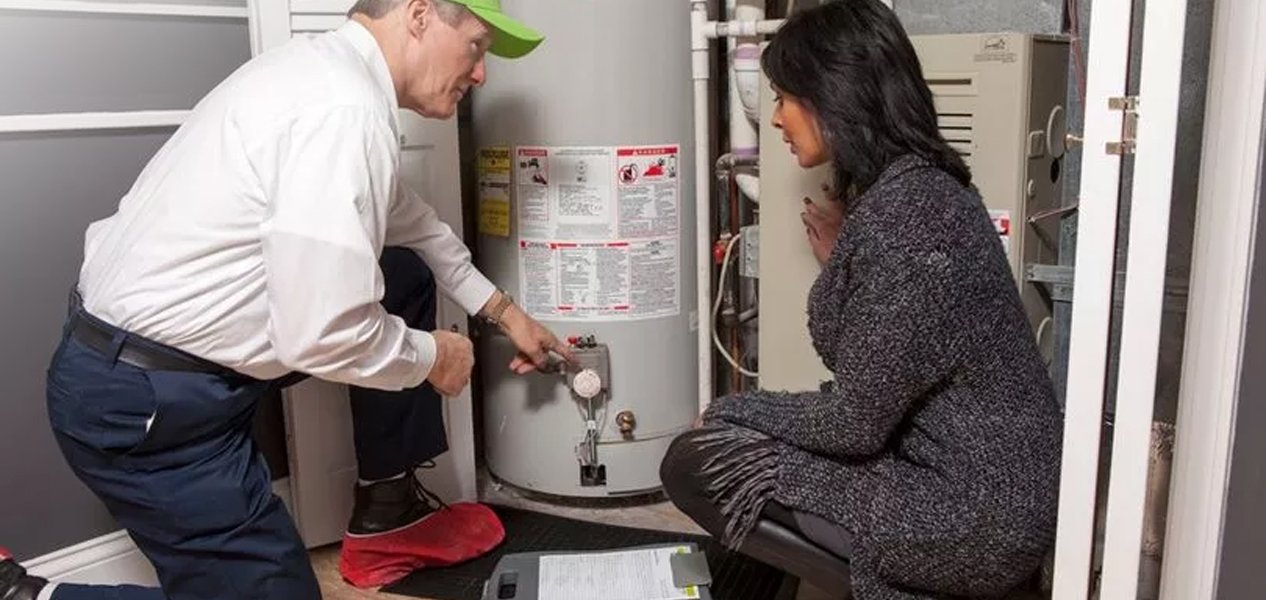
Common Tankless Water Heater Problems, Causes, and Repair Options
A tankless unit can stop working for several very different reasons. Power, gas, water flow, venting, and scale all affect performance. Unlike storage tanks, these systems heat water only during demand. That difference changes how common faults appear and how repairs begin.
Why a Tankless Water Heater Stops Heating
When no hot water appears, start with power and fuel. Electric models need steady voltage and working internal control parts. Gas models also need fuel, ignition, and correct burner operation.
An ignition failure can prevent the burner from starting normally. A blocked gas line can create the same heating problem. Gas valve faults may also interrupt fuel during heating cycles.
Flow problems can stop heat even when fuel remains available. Tankless units need enough water movement before heating begins. A clogged inlet filter may reduce that flow below limits.
Several common causes include these issues:
- Low water flow or clogged inlet filters
- Failed ignition parts or gas supply faults
- Loose power connections or control board faults
- Scale buildup inside the heat exchanger
Flow Sensors and Changing Water Temperatures
The flow sensor tells the unit when water starts moving. A failed sensor may stop heating during normal faucet use. Dirty sensor parts can also cause weak or unstable output.
Changing temperatures may also come from uneven water demand. Opening several fixtures can change flow through the heater. Low flow at one fixture may stop heating completely.
Some homes also notice a brief cold water sandwich. This happens when hot water pauses between short demand cycles. The next cycle needs time before full heat returns.
Recirculation problems can make this issue feel even more common. Poor pump settings may delay hot water reaching distant fixtures. Faulty check valves can also affect normal return flow.
Scale Buildup, Overheating, and Burner Problems
Hard water can leave mineral scale inside narrow water passages. Scale reduces heat transfer and can restrict normal water flow. Heavy buildup may also trigger overheating or shutdown codes.
Gas burners need steady fuel and proper combustion conditions. Dirt or poor gas flow can weaken burner performance. Burner faults may cause slow heating or repeated shutdowns.
Regular descaling helps control mineral buildup inside heat exchangers. The service schedule depends on water quality and unit use. Homes with hard water may need service more often.
What Tankless Error Codes and Flashing Lights Mean
A flashing light usually points toward a stored fault. Error codes can relate to ignition, airflow, sensors, or temperature. Each brand uses its own code list and meanings.
Always check the model manual before replacing any parts. The code should guide diagnosis rather than become the repair. One code can still have several possible root causes.
Common code groups often involve these areas:
- Ignition or flame detection problems
- Water flow or sensor faults
- Venting or exhaust restrictions
- High temperature or electrical faults
Venting, Exhaust, and Freeze Problems
Gas tankless units need clear intake and exhaust paths. A blocked vent can interrupt normal burner operation quickly. Poor exhaust flow may also trigger automatic shutdown protection.
Cold weather can create another type of failure. Water inside exposed lines may freeze during severe temperatures. Frozen parts can block flow or crack internal components.
Exterior units need proper freeze protection and correct pipe insulation. Freeze protection still depends on working electrical power. Lost power during freezing weather can leave parts exposed.
Leaks and Electrical Problems
Tankless leaks often begin around fittings, seals, or heat exchangers. Small drips should be traced before they spread further. Internal leaks may require part replacement or unit replacement.
Electrical faults can affect sensors, boards, igniters, and heating parts. Repeated breaker trips need more than another simple reset. A technician should inspect recurring power or control faults.
Repair, Replacement, and Routine Maintenance
Many tankless water heater problems can be repaired successfully. Sensors, igniters, valves, and filters are often replaceable parts. Replacement becomes more likely with major heat exchanger failure.
Frequent faults can also make replacement more practical over time. Unit age, repair cost, and part access should guide decisions.
Routine care can reduce many common tankless heating problems. Clean filters, check vents, and remove scale when needed. These steps help support steady flow and proper heating.
Good water heater repair starts with the exact failure pattern. Power, flow, fuel, scale, and error codes narrow the diagnosis. Correct checks can separate simple service from major component failure.
Electric Water Heater Problems, Troubleshooting, and Common Repairs
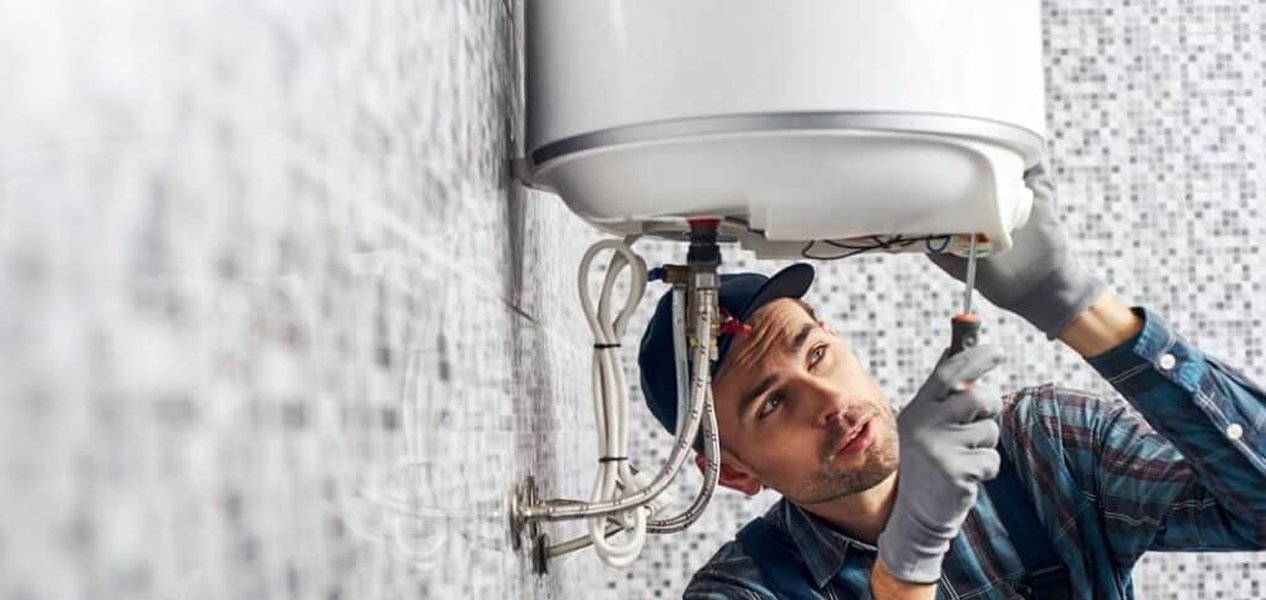
An electric heater can fail even when the tank looks normal. Power loss, worn elements, and thermostat faults cause many heating issues. The first clue usually comes from how the hot water changes. Complete heat loss suggests different faults than slow or limited heating.
Start With Power Before Checking Internal Parts
Electric models need a steady power supply for every heating cycle. A tripped breaker can stop the unit without visible tank problems. Some homes also use fuses that can fail during overloads. After an outage, the heater may need power restored manually.
Check the panel before assuming a heating part has failed. If the breaker trips again, do not keep resetting it. Repeated trips may point toward wiring, thermostat, or element trouble. A loose electrical connection can also interrupt power during normal use.
Why Heating Elements Cause So Many Problems
Most tank models use upper and lower heating elements. Each element heats water during a different stage of operation. If the upper element fails, the tank may stay cold. A lower element failure often leaves some hot water available.
That difference helps narrow the fault before parts are changed. A burned element can also cause slow heating after demand. Double element failure usually causes complete loss of heating output.
Sediment can collect around lower elements inside older storage tanks. Heavy buildup can trap heat and reduce heating speed. It may also shorten element life during repeated heating cycles.
Thermostat Failure and Wrong Temperature Settings
Electric heaters usually have upper and lower thermostat controls. These controls tell each element when heating should start. A failed thermostat may stop one element from receiving power. Poor settings can also leave water cooler than expected.
Temperature changes should be made in small, measured steps. Both thermostat settings should normally remain matched on dual systems. Uneven settings can create weak or unstable hot water output.
What the Reset Button Actually Does
The reset button works with the high-limit temperature control. It cuts power when tank temperature rises beyond normal limits. One trip can follow a brief fault or power event. Repeated trips usually mean another problem still needs attention.
Possible causes include a stuck thermostat or damaged heating element. Loose wiring can also create heat near electrical connection points. The button should never become a routine way to restore heat.
Clicking, Slow Heating, and Limited Hot Water
A light click can occur when controls switch elements normally. Repeated loud clicking may point toward a control problem. Slow heating often comes from one weak or failed element. Sediment can also reduce heat transfer inside the tank.
Not enough hot water may involve several electric heater faults. Several common causes include these closely related electric heater problems:
- One heating element has failed during normal tank operation.
- Thermostat settings are too low for current household demand.
- Heavy sediment reduces usable tank space and slows heating speed.
- Heavy demand empties stored hot water faster than recovery.
These symptoms should be matched with recent changes in performance. Sudden loss often points toward power or component failure. Gradual decline may suggest sediment, age, or worn heating parts.
Leaks, Pressure Problems, and Anode Rod Wear
Electrical faults are not the only problems these heaters develop. Water can leak from fittings, valves, or the tank itself. A pressure relief valve drip may involve excess pressure. It can also result from high temperature or valve wear.
Anode rod wear can allow corrosion to progress inside tanks. Rusty hot water may appear as that protection weakens. Older units may also develop tank leaks after years of corrosion.
When Repair Makes Sense
Many electric heater faults involve parts that can be replaced. Elements, thermostats, valves, and anode rods often fit that group. Major tank corrosion changes the repair decision very quickly.
Heater age also matters when several faults appear together. Frequent repairs can make replacement more practical on older units. Good water heater repair starts with the symptom and power path. That approach separates simple control faults from larger tank failure.
Gas Water Heater Problems, Causes, and Repair Options
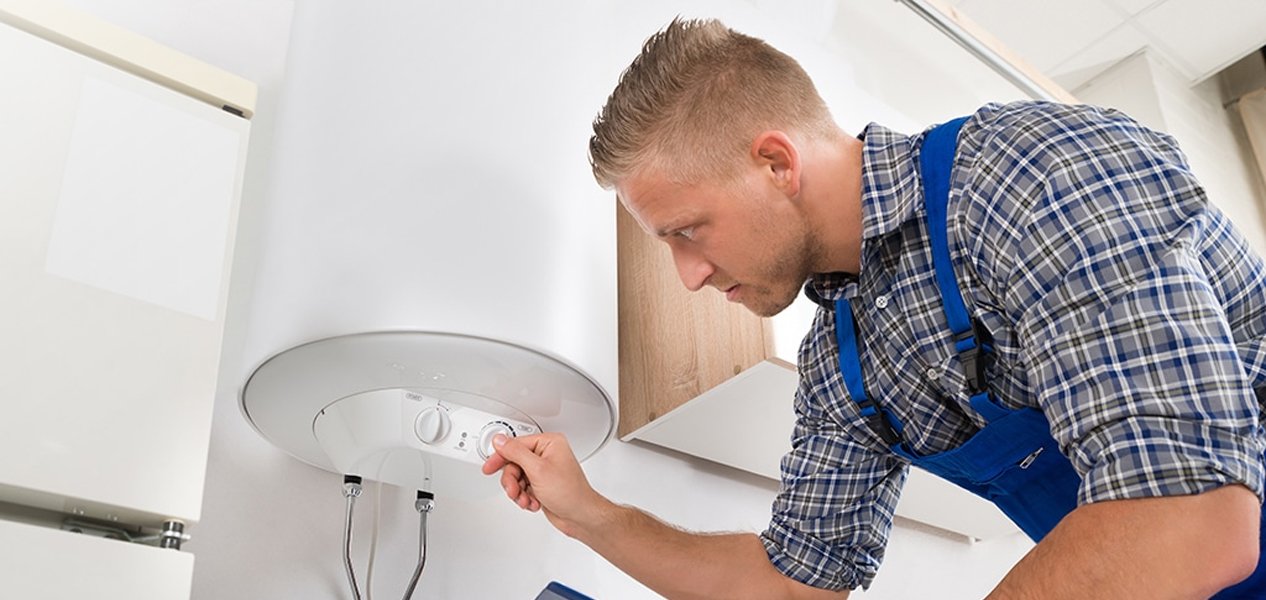
A gas water heater depends on fuel, ignition, airflow, and controls. When one part fails, hot water can disappear without warning. The first clue often comes from the pilot or burner. Other signs include noise, leaks, weak heat, or unusual odors.
Why a Gas Water Heater Stops Heating
A gas heater needs steady fuel and proper burner operation. If the pilot goes out, the burner cannot start normally. Some newer models use electronic ignition instead of standing pilots.
A failed thermocouple can also stop gas flow after ignition. This part confirms that a proper pilot flame is present. When it fails, the gas control may shut fuel off.
Gas valve trouble can create similar heating loss during cycles. A faulty control may stop fuel from reaching the burner. Low gas pressure can also reduce heat without full shutdown.
Why the Pilot Light Keeps Going Out
A pilot that repeatedly goes out needs more than relighting. The cause may involve the thermocouple, draft, or gas supply. Dirt near the pilot opening can also weaken the flame.
A weak pilot flame may not heat the thermocouple correctly. That can make the control close the gas path. Draft problems can also disturb the flame during normal use.
Common causes include several gas-side faults worth checking first:
- Worn thermocouple or weak flame sensing
- Dirty pilot opening or burner area
- Poor draft near the heater
- Gas valve or supply problems
Thermocouple replacement may restore normal operation on older units. However, repeated flame loss can involve several parts together. Proper testing helps prevent unnecessary part changes and repeat service.
Burner, Vent, and Draft Hood Problems
The burner must light evenly and stay stable during heating. Dirt, rust, or poor gas flow can weaken combustion. A burner that will not light needs closer inspection.
Vent blockage can also affect normal gas heater operation. Exhaust gases need a clear path through the vent system. A blocked vent may cause shutdowns or weak burner performance.
Draft hood issues can create poor airflow above the heater. Loose vent joints may also interfere with proper exhaust movement. These conditions need trained inspection rather than trial-and-error adjustments.
Noise, Sediment, and Heating Performance
Gas water heater noise often starts near the tank bottom. Sediment can collect there after years of normal water use. The burner then heats through mineral buildup instead of clean metal.
Popping or rumbling may appear as trapped water moves underneath. Heavy buildup can also slow recovery after high water demand. Regular flushing can limit loose sediment before buildup becomes severe.
Leaks, Rust, and Heater Age
A gas water heater can leak from several common points. Fittings, drain valves, and relief valves may develop slow drips. Tank corrosion can also create leaks on older units.
Rust around the burner area needs careful review before service. Corrosion near tank seams may point toward internal tank wear. Heater age matters more when leaks and rust appear together.
A gas smell changes the situation and needs immediate attention. Leave the area and avoid switches, flames, or nearby ignition sources. Contact the gas provider or qualified service from another location.
Gas Versus Electric Repair Differences
Gas and electric heaters share some tank-related problems and maintenance needs. However, their heating systems fail in very different ways.
Electric models rely on breakers, thermostats, wiring, and heating elements. Gas models depend on fuel, ignition, burners, sensors, and venting. That difference changes both diagnosis and the parts usually replaced.
Gas repairs may involve combustion checks and proper vent testing. Electric repairs often center on power flow and element function. Both types can still develop leaks, sediment, and pressure problems.
Good water heater repair starts with the heater type first. Gas faults should follow fuel, flame, vent, and control clues. That approach makes the repair path clearer and more accurate.
Water Heater Repair Costs, Value, and Replacement Decisions
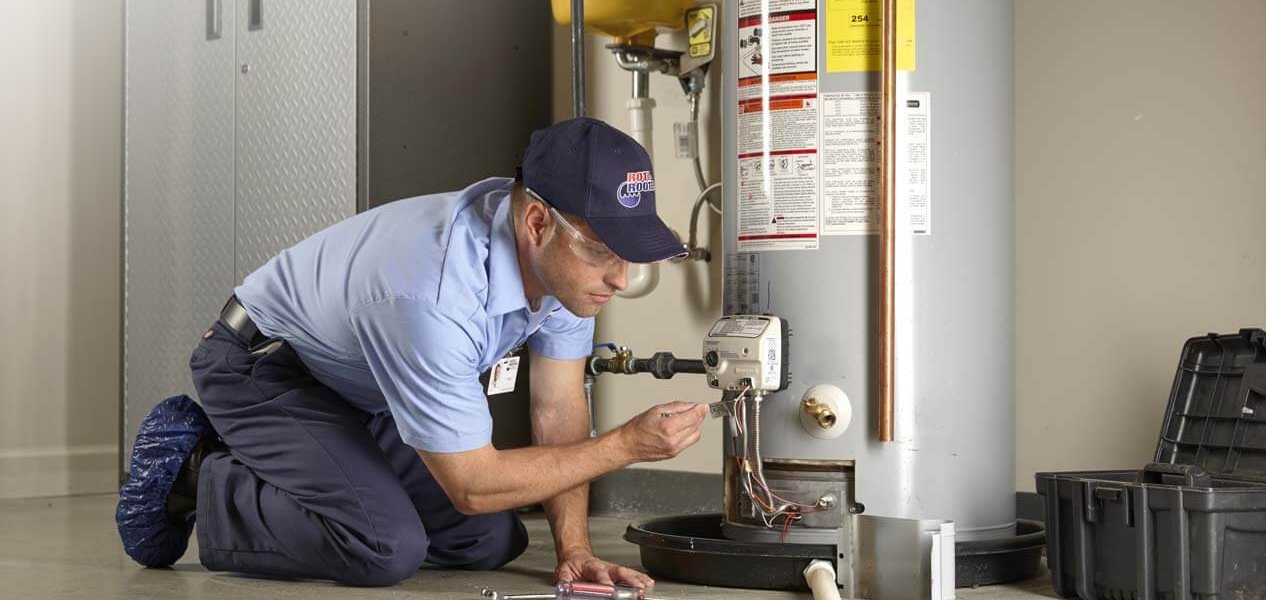
A repair bill can vary widely before any technician opens the unit. Heater type, failed parts, labor rates, and access shape final pricing. Age also matters because one fault may reveal wider wear. A useful estimate should compare repair cost against remaining service life.
What Does Water Heater Repair Usually Cost?
Current national pricing guides place many repairs between $228 and $1,017. The reported average sits near $615 for professional repair work. Local labor, heater location, and fault depth can shift pricing.
Common professional repair ranges often look like these current estimates:
- Heating element replacement often costs about $200 to $300.
- Thermostat replacement commonly falls near $150 to $200 professionally.
- Thermocouple replacement often costs about $150 with professional labor.
- Pilot service may cost roughly $50 to $150 professionally.
- Tankless repair can range widely from $75 to $1,300.
A leak repair cost depends heavily on the actual source. Loose fittings cost far less than internal tank failure. Pressure valves, drain valves, and corroded tanks need different solutions.
Electric, Gas, and Tankless Repair Costs
Electric models often involve thermostats, elements, breakers, or wiring faults. Current guides place many electric repairs below major gas repairs. Gas units may need pilot, thermocouple, burner, or valve work. Those repairs can require more testing around fuel and venting.
Tankless repair costs vary because these units use more controls. Sensors, ignition parts, pumps, and heat exchangers can raise labor costs. Scale service may cost less than replacing a major component. Model access and parts supply can also change the final quote.
When Is Water Heater Repair Worth It?
Repair usually makes sense when one replaceable component has failed. Newer heaters with sound tanks often fit that situation well. A thermostat, element, valve, or thermocouple can often be replaced. The decision changes when leaks come from the tank body.
Heater age should guide every repair-versus-replacement choice very carefully. Frequent service calls can make another repair less attractive. Rising energy use may also show weaker heating performance.
Current guides place many standard tank replacements around $875 to $1,800. That comparison helps when one repair approaches replacement pricing. Tankless replacement can cost more than basic storage tank replacement.
Repair Versus Replacement: Which Saves More Money?
The cheapest repair today may not remain cheapest next year. Look at repair history, heater age, efficiency, and tank condition. A low-cost fix can make sense on a younger unit. Major tank corrosion makes repeated spending much harder to justify.
Consider replacement when several signs appear during the same period:
- The tank has active corrosion or clear internal leakage.
- Repairs have become more frequent within recent service years.
- Heating performance keeps falling after several recent component repairs.
- Repair pricing approaches a large share of replacement cost.
Warranty coverage can also change the final math considerably. Check parts and labor terms before approving noncovered work. Unapproved repairs may affect warranty rights under some manufacturer terms.
Hidden Costs of Delaying Water Heater Repairs
Ignoring a small fault can create larger bills later. A slow leak can reach flooring, walls, or nearby cabinets. Long moisture exposure can also support mold growth indoors. Cleanup and building repairs may then exceed the original service bill.
Heating faults can raise monthly energy use before complete failure. Sediment and worn parts may force longer heating cycles. Repeated cycling can also place more strain on working components.
Emergency service often costs more than planned weekday appointments. After-hours labor and urgent travel can increase the total bill. Delayed leaks may also require drying, cleanup, or material replacement.
Good water heater repair decisions compare cost, age, and fault type. A clear diagnosis prevents spending money on the wrong component. Repair works best when the tank still has useful life. Replacement makes more sense when age and corrosion keep adding costs.
How Long Water Heaters Last and When Replacement Makes Sense
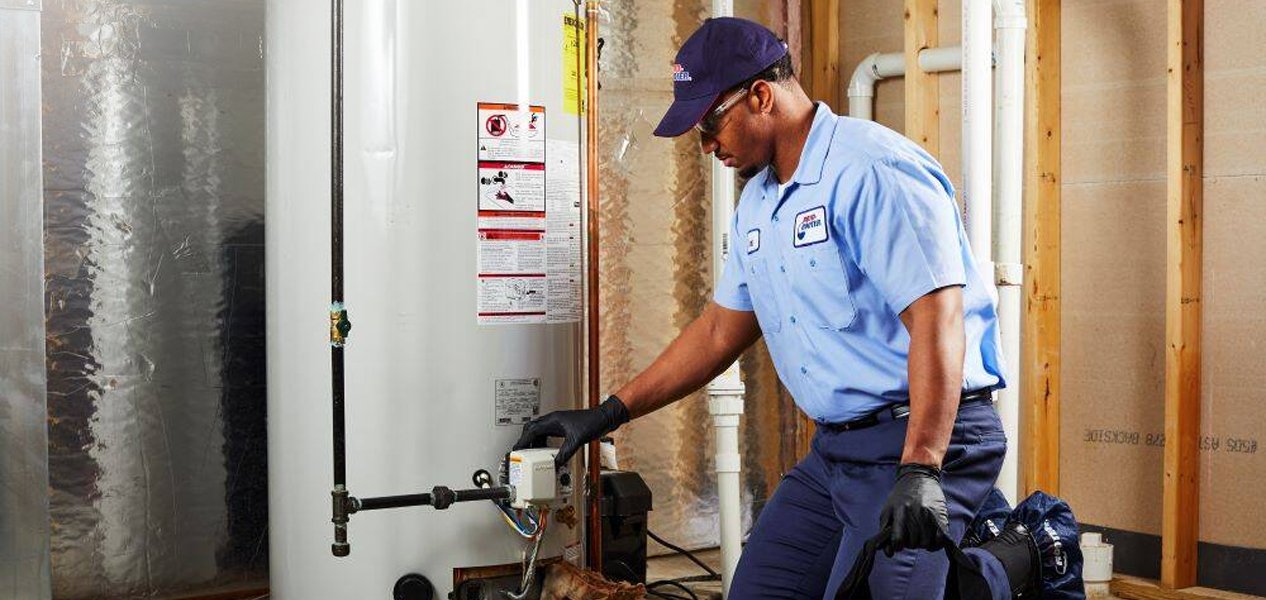
Water heater life depends on type, water quality, use, and care. Age alone does not prove that a working unit needs replacement. Still, older heaters need closer checks when new problems start appearing. Knowing common life ranges helps owners plan before sudden unit failure.
Water Heater Lifespan by Type
Standard tank water heaters often last about eight to twelve years. That range covers many common gas and electric storage models. Tankless units often last fifteen to twenty years, sometimes longer. Good care, correct sizing, and water quality can change those ranges.
Electric tank models avoid burner and vent wear during normal use. However, elements, controls, tanks, and anode rods still age normally. Gas tank models add burners, valves, pilots, and vent parts. Their tanks still face the same scale and rust risks.
Brand comparisons should look beyond the brand name alone. Tank build, anode type, warranty terms, setup, and service matter. Warranty years also do not equal the full expected lifespan. Check the model warranty before judging future repair value.
Signs a Water Heater Is Near Its End
One symptom rarely proves that a new unit is needed. Several age-related signs together make a much stronger replacement case. Older heaters often show slow recovery, rust, leaks, or noise. Frequent repairs can also show that several parts are wearing out.
Watch for these signs as the unit gets older:
- Tank seams show rust, damp spots, or a steady leak.
- Hot water becomes weaker despite several recent part repairs.
- Rumbling returns soon after flushing or recent sediment service.
- Repair calls become frequent within a fairly short period.
- Rusty hot water appears only from heated water lines.
A leaking tank body often points toward full unit replacement. Valve or fitting leaks may still allow a practical repair. This difference matters when judging age and remaining service life.
How Water Quality Changes Water Heater Lifespan
Water quality can change how quickly internal parts wear. Hard water leaves calcium and magnesium scale on heated surfaces. That scale can slow heat flow and trap sediment below. Heavy buildup may increase run time and shorten part life.
Softened water reduces hardness scale inside tanks and heat exchangers. However, anode rod checks still matter with softened water. Water chemistry, not hardness alone, affects long-term tank corrosion.
Well water may contain iron, sediment, sulfur, or extra minerals. City water may contain treatment chemicals and minerals at varied levels. Neither source always gives a heater a longer service life. Actual pH, hardness, sediment, and local treatment matter more.
A sediment filter can help when loose particles enter plumbing. A softener may help where hardness causes heavy scale buildup. Water treatment should match the actual issue found through testing.
How to Extend Water Heater Life
Regular care can slow several common causes of early failure. Storage tanks benefit from sediment control and anode rod checks. Tankless units need scale control based on local water hardness.
A useful long-term plan can include these simple care actions:
- Check for leaks, rust, and mineral marks several times yearly.
- Flush storage tanks when the manufacturer calls for that service.
- Inspect anode rods before internal tank corrosion becomes advanced.
- Keep tankless filters and water paths free from heavy scale.
Service checks can also catch pressure or control problems early. High pressure can strain tanks, fittings, valves, and plumbing joints. Correct sizing also prevents heavy load during peak household demand.
When Should You Replace Instead of Repair?
Replacement makes more sense when age meets major physical wear. Tank corrosion, shell leaks, and repeat faults change repair value. An older unit with one minor fault may still be repairable. A newer unit with a sound tank often favors part replacement.
Use age as context rather than a strict expiration date. Compare tank condition, repair history, energy use, and current output. Good water heater repair choices depend on the overall condition. That approach helps avoid replacing units with useful life remaining.
Water Heater Warning Signs and Emergency Steps
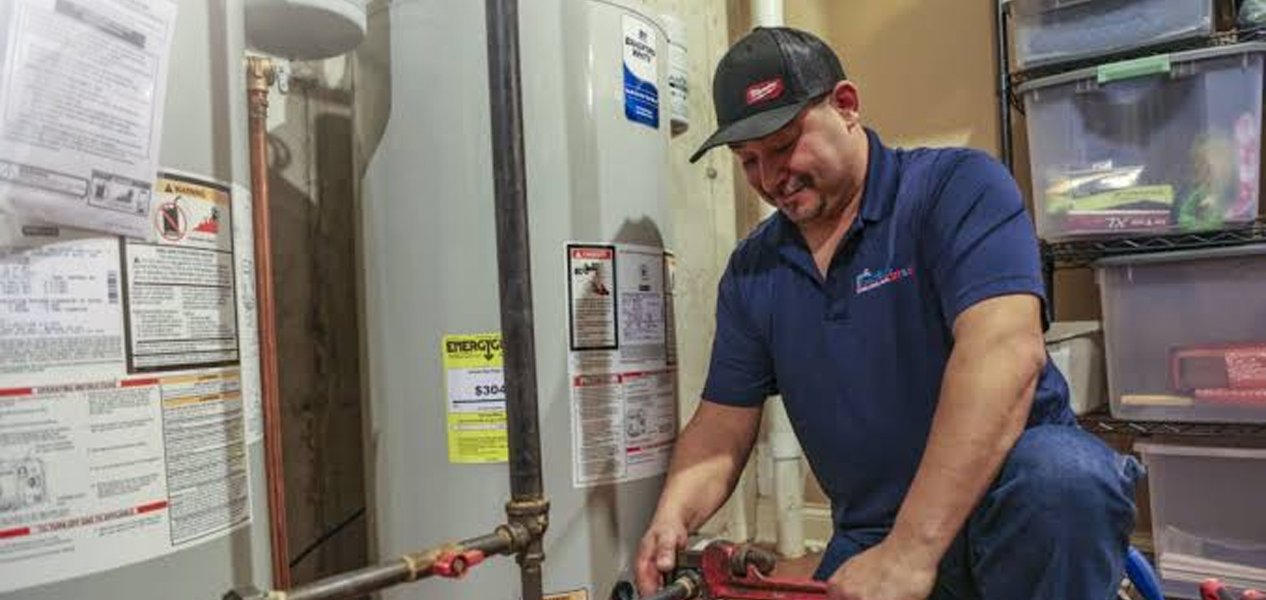
A faulty water heater can create more than comfort problems. Some issues raise risks involving gas, electricity, pressure, or water. The right response depends on the warning sign you notice. Small drips differ greatly from gas odors or overheating.
Warning Signs That Need Prompt Attention
Some heater problems should not be ignored during daily use. A growing leak can spread water beyond the heater area. Rust around tank seams may point toward deeper metal wear. Repeated shutdowns can also signal electrical or control problems.
Watch closely for these signs during normal heater operation:
- Water keeps pooling around the tank, valves, or nearby floor.
- Gas odors appear near the heater or connected gas line.
- Breakers trip repeatedly when the heater starts heating water.
- Flames look unstable, yellow, or different from normal operation.
- Loud banging, hissing, or pressure discharge keeps returning often.
One warning sign alone may not explain the exact fault. Several signs together can show that service should happen soon.
Gas Leaks and Carbon Monoxide Risks
Gas water heaters need proper fuel flow and clear venting. A gas smell can point toward a fuel leak nearby. Leave the area and avoid flames, switches, or sparks. Contact the gas provider or a trained service from outside.
Carbon monoxide can form when fuel does not burn correctly. Poor venting can also keep exhaust gases inside living areas. This risk applies to fuel-burning heaters, not electric tank models. Working carbon monoxide alarms add another layer of home protection.
Draft hood problems or blocked vents need trained inspection. Soot, weak flames, or exhaust smells may support closer review. Never block vents or change combustion parts without proper training.
Electrical Shock and Fire Risks
Electric heaters use high voltage during normal heating cycles. Water near wiring or panels can raise shock concerns quickly. Repeated breaker trips may point toward failing electrical parts. Loose wires can also create heat near connection points.
Turn off power when water reaches electrical areas nearby. Do not remove covers when standing near active leaks. Burnt smells or warm wiring areas need prompt expert inspection.
Pressure, Heat, and Burn Risks
Water heaters store hot water under controlled pressure conditions. A pressure relief valve helps release excess pressure when needed. Never plug, cap, or block that discharge pipe opening.
A relief valve that keeps dripping needs proper diagnosis. High pressure, excess heat, or expansion may cause discharge. A bad valve can also leak during normal operation.
Water that becomes unusually hot can cause serious burns. Very high settings also increase stress inside the heater system. Temperature problems may involve thermostats, controls, or other heating parts.
Leaks, Flooding, Mold, and Building Damage
A slow leak can become costly when ignored too long. Water may reach flooring, drywall, cabinets, or nearby framing. Long moisture exposure can also support mold growth indoors.
Tank corrosion deserves special attention on older storage heaters. Rust around seams can point toward weakening tank metal. A leaking tank body often needs replacement rather than patching.
Small valve leaks can still grow if pressure remains high. Early repair can limit water spread and extra cleanup costs.
Can a Water Heater Explode?
Severe pressure or temperature faults can create dangerous tank conditions. Modern relief valves help control those risks during normal use. Problems become more serious when relief parts are blocked. Extreme overheating or pressure needs trained service without delay.
Do not treat strange pressure discharge as a minor nuisance. The root cause may involve temperature, pressure, or expansion faults.
What to Do Before Calling for Repair
Start by noting the exact symptom and when it began. Check whether the issue affects heat, pressure, gas, or water.
- Turn off power when leaks reach electrical parts nearby.
- Leave the area immediately when strong gas odors appear indoors.
- Avoid touching very hot discharge water from relief piping.
- Record noises, leak locations, and recent breaker trips clearly.
Do not keep resetting breakers that continue tripping during use. Avoid repeated pilot relighting when the flame will not stay. These patterns usually need diagnosis instead of repeated quick fixes.
Good water heater repair starts with calm, clear problem checks. Knowing the warning sign helps choose the right next step. Early action can limit repair costs and wider home problems.
How to Choose the Right Water Heater Repair Company
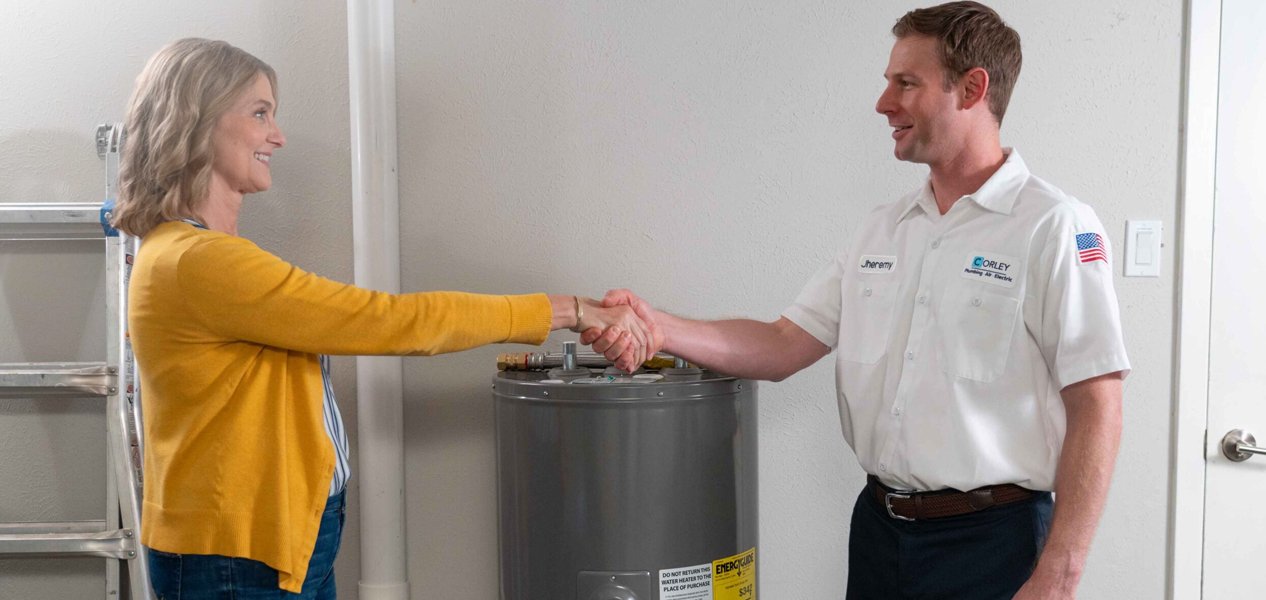
Choosing a repair company matters as much as finding the fault. Good service starts with clear pricing, proper skills, and honest answers. A rushed choice can lead to repeat visits and added costs. Compare several details before agreeing to any repair work.
What to Look for Before Hiring a Repair Company
Start by checking whether the company handles your heater type. Gas, electric, tankless, and heat pump units need different skills. A company should explain its experience with your exact system. That experience can help reduce wrong parts and repeat service calls.
Check company credentials before scheduling any major repair work. Licensing rules differ by state, city, and repair type. Ask whether required licenses and insurance apply to your project. A clear answer should come before any work begins.
Customer reviews can also show useful patterns about service quality. Look for comments about pricing, arrival times, and repair results. One bad review should not define the whole company. Repeated complaints about similar issues deserve much closer attention.
Questions to Ask Before Approving Repair Work
Good questions can reveal how a company handles repairs. Ask for clear answers before signing any service agreement.
Useful questions can include these important points:
- Have you repaired this heater type before?
- Is the estimate written before work begins?
- Does the repair include any labor warranty?
- Are replacement parts covered by a warranty?
- Could other faults change the quoted repair price?
Ask whether the company charges a separate diagnostic fee. Some companies apply that fee toward approved repair work. Others keep it separate from parts and labor costs.
A written estimate should explain parts, labor, and added charges. It should also state what happens if more faults appear. Clear terms make water heater repair price comparisons much easier.
How to Compare Repair Estimates Fairly
The lowest quote is not always the strongest choice. Compare what each estimate includes before looking at price. One quote may include labor, parts, and follow-up service. Another may list only the basic repair cost.
Check whether the estimate covers permits when they are required. Ask whether old parts or equipment removal costs are included. Service warranties can also change the real value offered.
Be cautious when a company refuses to explain pricing. Large deposits without clear terms can also raise concerns. Pressure to replace a repairable unit deserves another opinion.
Is Same-Day Water Heater Repair Worth It?
Same-day service can make sense when hot water is unavailable. It may also help when a leak could worsen quickly. However, fast service sometimes comes with a higher service fee.
Ask whether same-day pricing differs from scheduled weekday service. Also confirm whether needed parts are available before arrival. Fast response has less value when another visit becomes necessary.
A routine issue can often wait for scheduled repair. A steady tank leak may need much faster attention.
What to Expect From Emergency Repair
Emergency service focuses first on controlling the immediate problem. The technician may stop leaks, power, or gas flow first. Full repair may follow after the fault is identified.
Weekend and after-hours service can cost more than regular appointments. Travel charges and urgent labor may affect the final bill. Ask about emergency repair costs before approving nonessential work.
Response time can also vary by location and workload. Ask for an arrival window rather than assuming instant service.
Professional Repair Versus DIY Work
Simple homeowner checks can help identify basic heater problems. Checking a breaker or noting a leak location can help. More complex repairs involve gas, wiring, pressure, or combustion parts.
Professional service makes more sense for those system-level faults. It also helps when repeated repairs have not solved problems. DIY work may affect warranty terms on some heater models.
Choosing the right water heater repair company starts with careful questions. Compare skills, pricing, warranty terms, reviews, and response options. A clear process helps you choose service based on value.
Seasonal Water Heater Problems and Performance Changes
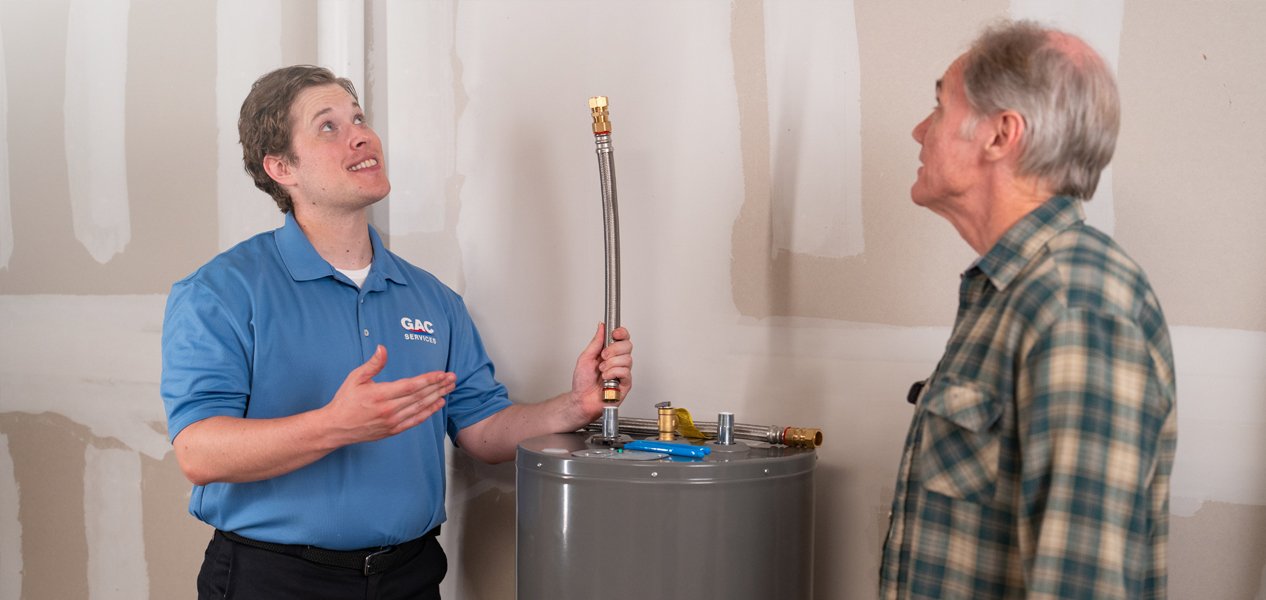
Weather can change how hard your water heater works each day. Winter brings colder inlet water, while summer can reduce heating demand. Seasonal use can also expose scale, sediment, and weak parts. Understanding these changes helps prevent avoidable drops in hot water.
Why Water Heaters Work Harder During Winter
Cold inlet water takes longer to reach the set temperature. That difference can make recovery feel slower during winter months. A heater in an unheated garage may face extra strain. Exposed pipes can also lose heat before water reaches fixtures.
Winter performance problems often become clear during busy morning demand. The heater may seem weak even without a failed component. Older units may struggle more when incoming water becomes colder.
Several winter checks can help reduce common seasonal trouble:
- Insulate exposed hot water pipes in cold indoor areas.
- Keep outdoor tankless pipes protected against freezing winter temperatures.
- Check garage heaters for drafts, leaks, and poor insulation.
- Confirm gas pilots remain stable during colder, windy conditions.
Tankless models need working freeze protection during cold weather. Loss of power can disable built-in freeze protection features. Frozen water may block flow or crack internal plumbing parts.
Winterizing Before Freezing Weather Arrives
Winterizing steps depend on heater type and installation location. Outdoor tankless units need the most attention before freezes. Follow the maker’s drain steps for vacant seasonal homes.
Do not assume insulation alone prevents every freeze problem. Power, gas, pipe exposure, and local temperatures still matter. Homes left empty may need full winter shutdown procedures.
A pilot light going out during winter needs diagnosis. Wind, draft, vent issues, or gas faults may contribute. Repeated relighting does not fix the cause behind flame loss.
Summer Maintenance and Vacation Settings
Warm inlet water usually reduces the heater’s recovery workload. That can shorten heating time compared with colder winter conditions. Summer also creates a good time for routine inspections.
Check for leaks, rust, and mineral marks before long trips. Some models include vacation mode for periods of low use. This setting can reduce energy use while keeping controls active.
For longer trips, follow the exact manufacturer instructions provided. Gas and electric models use different shutdown and restart steps. Never apply one brand’s vacation method to every heater.
Summer storms can also interrupt electrical power without warning. After an outage, check whether the heater restarted normally. Repeated breaker trips after power returns need proper electrical inspection.
How Hard Water and Sediment Affect Seasonal Performance
Hard water leaves calcium and magnesium minerals inside heating systems. These minerals can form scale on elements and heat exchangers. Scale reduces heat transfer and can restrict water flow.
Sediment settles inside storage tanks during normal household water use. Thick buildup can slow heating and reduce usable tank space. Cold winter inlet water can make that slowdown feel worse.
Common buildup signs may include these changes during normal use:
- Hot water takes longer to recover after heavy demand.
- Popping sounds return during repeated tank heating and recovery cycles.
- Tankless water flow becomes weaker as internal mineral scale increases.
- Energy use may rise while heating performance gradually declines.
Flushing helps remove loose sediment from many storage tank models. Tankless units may need descaling based on local water hardness. Always follow the service method listed for your model.
How Weather Changes Recovery Time and Efficiency
Incoming water temperature directly affects required heating time. Colder water needs more energy before reaching the thermostat setting. A.O. Smith notes that winter inlet water slows recovery naturally.
Hot weather can reduce that temperature difference for many homes. However, high room humidity can increase visible tank condensation. Condensation may sometimes look like leakage during high-demand periods indoors.
Hard water can reduce recovery efficiency through scale buildup. A.O. Smith also links water hardness with reduced recovery efficiency over time.
Seasonal care should focus on weather, water, and unit condition. Good water heater repair starts by recognizing these changing conditions. That approach helps separate seasonal performance changes from actual component failure.
FAQs
Why Is My Water Heater Suddenly Not Producing Hot Water?
Check whether every fixture has lost hot water first. Then review power, gas supply, thermostat settings, and recent outages.
How Do I Know Whether My Water Heater Needs Replacement?
Replacement becomes smarter when age, corrosion, leaks, and repeat faults combine. A younger unit with one failed part often supports repair.
Why Is Water Leaking From the Bottom of My Heater?
Bottom leaks may come from drain valves, condensation, or tank corrosion. Water from the tank shell often points toward replacement.
How Often Should a Water Heater Receive Maintenance?
Most homes benefit from a basic water heater check each year. Hard water or older units may need more frequent service.
How Long Does a Typical Water Heater Usually Last?
Tank models often last about eight to twelve years. Tankless models may reach fifteen to twenty years with proper care.