Signs You Need to Call an Emergency Plumber Right Now
Some plumbing problems can wait until tomorrow. Others give clear warning signs that something is already going wrong. Knowing the signs you need emergency plumber service helps you act before damage spreads. This guide explains the strongest warning signs and what each one may mean.
1. No Water Coming Out of Any Faucet
Whole-home water loss usually points beyond one broken fixture. If every faucet suddenly stops working, first check whether nearby homes also lost service. A city supply issue may affect the whole street. If neighbors still have water, the problem may be inside your property.
A closed main valve, damaged supply line, or valve failure can interrupt service. One dry faucet is usually local. Every fixture going dry at once is a different pattern. American Plumbing Co. handles supply problems through its San Diego plumbing services when the cause sits inside the home.
Loss of water becomes more urgent when the cause is unknown. Toilets, sinks, showers, and cleaning routines all depend on steady service. If you cannot restore water through a simple valve check, calling a plumber makes sense.
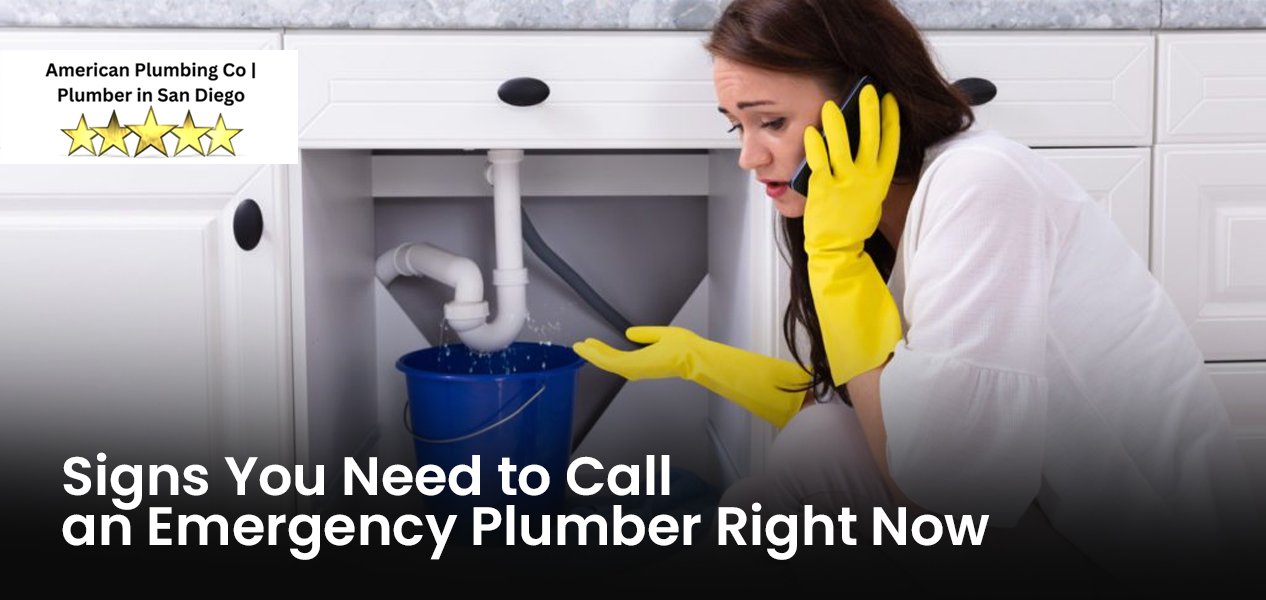
2. A Sudden Burst Pipe or Fast-Spreading Leak
Fast-moving water is one of the clearest plumbing emergency red flags. You may see water collecting beneath cabinets or dripping through a ceiling. Some leaks stay hidden behind drywall. A faint hissing or rushing sound can be the first clue.
Other signs of a burst pipe include sudden pressure loss and damp wall patches. The water meter may also move when fixtures remain off. These details matter because the actual break may sit several feet from the visible water.
American Plumbing Co. provides leak repair service for visible and hidden plumbing leaks. Its emergency page also lists active pipe leaks among urgent repairs handled locally.
If water is spreading, shut off the supply when safely possible. Avoid opening walls or moving wet electrical items yourself. The goal is to stop new water first, then locate the failed pipe.
3. Sewage Smell or Backup in Drains and Toilets
Sewage odors usually mean more than an ordinary slow drain. You may smell wastewater near a shower, toilet, or floor drain. In some cases, dirty water begins returning through the lowest fixtures. That is a strong reason to stop using the plumbing.
Common signs of a sewer backup include gurgling toilets and several slow drains. Water may also rise in another fixture after flushing. These symptoms often suggest a main drainage problem instead of one small clog.
American Plumbing Co. offers main sewer line repair for damaged sewer lines. The company also provides professional drain cleaning when blockage is the main issue. Its local pages note that gurgling drains and foul odors can signal deeper restrictions.
Keep children and pets away from wastewater inside the home. Avoid running more water into affected fixtures. Additional flow can push the backup into nearby drains and increase cleanup.
4. Toilet Overflowing and Won’t Stop
A toilet becomes urgent when the water will not stay contained. One clog may respond to a plunger. Repeated rising water suggests the blockage sits deeper. Stop flushing once the bowl remains high because another flush can send water onto the floor.
Check the toilet supply valve if you can reach it safely. Closing that valve may stop the tank from refilling. This simple step can limit additional water while you arrange service.
American Plumbing Co. lists toilet repair and rebuilds among its San Diego services. The company also treats overflowing toilets and severe clogs as problems that may need quicker attention.
Pay attention to nearby fixtures during the overflow. A shower drain that bubbles when you flush may point to a deeper line issue. That clue can help the plumber decide whether the problem sits in the toilet or main drain.
5. Gas Smell Near a Water Heater or Appliance
A gas odor near a water heater needs immediate caution. Do not remain inside while trying to find the source. Leave the area first and avoid switches, flames, or anything that may create a spark. Then follow guidance from your local gas utility or emergency service.
Once the property is considered safe, the plumbing system can be checked. A qualified plumber can inspect valves, water heater connections, and related parts. American Plumbing Co. provides water heater repair and installation for gas and electric units in San Diego.
A gas smell is different from an ordinary plumbing leak. The first concern is personal safety, not the repair itself. Plumbing work should begin only after the immediate gas risk has been addressed by the proper service provider. Signs You Need to Call an Emerg…
6. Water Heater Leaking or Making Loud Noises
Water around the heater or new loud sounds should not be ignored. A leaking tank can spread water across nearby flooring. Popping, banging, or rumbling sounds may also show that the unit needs inspection before the problem becomes more serious.
Some noises come from mineral buildup inside the tank. Others may point to pressure or heating problems. The plumber needs to inspect the unit before deciding what repair makes sense. Guessing from the sound alone can lead to the wrong conclusion.
For active leaks, shut off the water supply if you can do so safely. Avoid touching electrical parts or wet controls. American Plumbing Co. offers water heater services for leaking tanks, heating issues, and related failures.
The warning sign becomes more serious when water keeps spreading. A small amount in a drain pan is different from water reaching walls or storage areas. That difference helps show when to call an emergency plumber rather than schedule routine service.
7. Multiple Drains Clogged or Backing Up at the Same Time
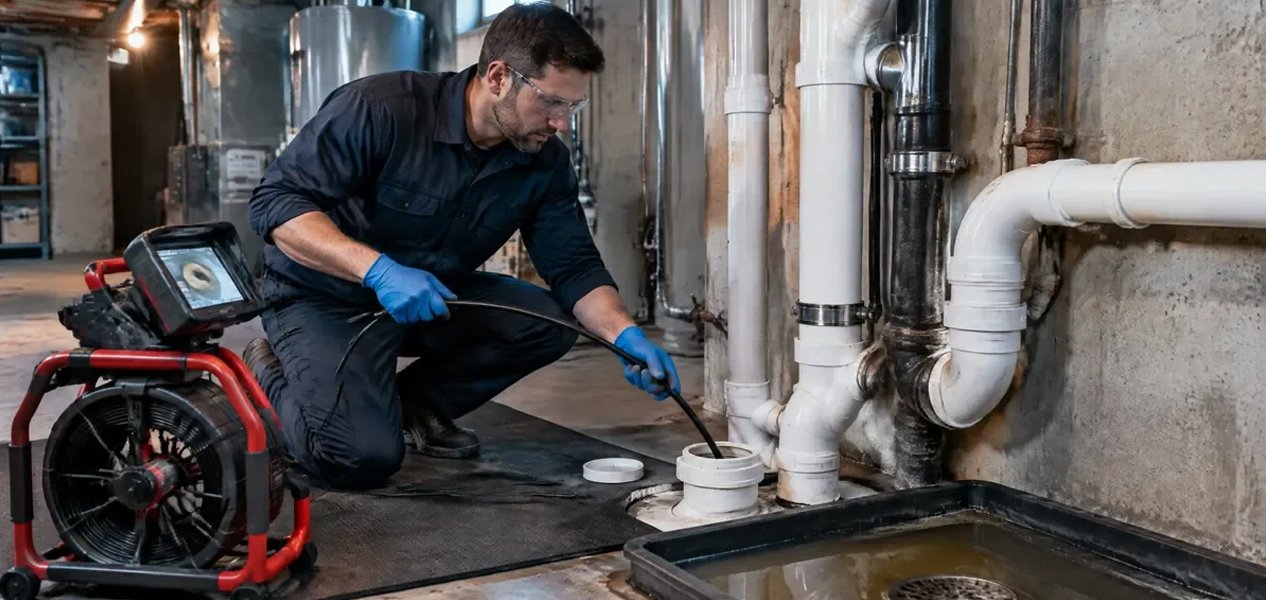
Several slow or blocked drains usually point beyond one fixture. You may notice a shower draining poorly while a toilet starts gurgling. Water can also rise in a sink after another fixture is used. That pattern often suggests a larger drainage problem.
A single clog may stay inside one branch line. Multiple affected fixtures can indicate trouble in the main drain or sewer line. This is one of the clearest warning signs of a plumbing emergency when wastewater also starts moving backward.
American Plumbing Co. provides sewer line repair when the main line is damaged. For buildup and stubborn clogs, the company also offers drain cleaning services throughout San Diego.
Stop using affected fixtures until the cause is known. Running more water can place extra pressure on a blocked system. That may send dirty water into tubs, showers, or floor drains that were working normally before.
What to Do While You Wait for the Plumber
The next few minutes matter most when water is still moving. Shut off the affected fixture or main supply when the valve is safe to reach. Do not enter standing water near electrical outlets or appliances just to reach a shutoff.
Stop using drains, toilets, or appliances connected to the problem. This step matters most during sewer backups and major clogs. Additional water entering the system can make the blockage harder to contain before the plumber arrives.
Move furniture, boxes, and other belongings away from spreading water when possible. Keep children and pets out of wet or contaminated areas. Avoid opening walls, taking apart valves, or making temporary repairs that could hide the actual problem.
Take note of what happened before the issue became serious. A hissing sound, pressure change, odor, or gurgling drain may help during diagnosis. Clear details can save time when the plumber starts checking the affected system.
If the water will not shut off, the valve itself may need service. American Plumbing Co. offers shutoff valve repair when a damaged valve prevents normal water control.
Call American Plumbing Co. for Emergency Help in San Diego
Recognizing these plumbing emergency red flags can help you respond before damage spreads. Whole-home water loss, sewage, uncontrolled leaks, and several backed-up drains all deserve prompt attention. The same applies when a water heater creates a clear safety concern.
American Plumbing Co. provides emergency plumbing help throughout San Diego and nearby communities. You can review current coverage on the San Diego service area page or check the company’s emergency plumbing service for current availability.
The company offers free estimates for urgent plumbing calls. If you need an emergency plumber in San Diego, explain the symptoms when you call. Mention the affected room, visible water, unusual odors, and any shutoff steps already taken.
Frequently Asked Questions
1. What are the clearest signs you need an emergency plumber?
Strong warning signs include uncontrolled leaks, sewage backups, several drains failing together, complete water loss, or a toilet that keeps overflowing. A gas smell near a water heater also needs immediate safety action before plumbing work begins.
2. When should a leaking pipe become an emergency call?
Call quickly when water spreads into walls, ceilings, cabinets, or flooring. A leak also becomes more urgent when you cannot stop the flow with a nearby valve. Hidden hissing sounds or sudden pressure loss may also point to a larger pipe problem.
3. Are multiple clogged drains a sign of a sewer problem?
They can be. One clogged drain often stays limited to one fixture. Several drains slowing or backing up together may point to a main drain or sewer line issue, especially when toilets gurgle or wastewater appears in nearby fixtures.
4. Should I call a plumber if my toilet keeps overflowing?
Yes, especially when the water will not stop rising. Stop flushing and close the toilet supply valve when possible. A repeated overflow may come from a deeper clog or drainage problem that needs professional inspection.
5. What should I do before an emergency plumber arrives?
Shut off the affected water supply when it is safe. Stop using connected drains and fixtures, then move nearby belongings away from water. Keep people and pets away from sewage, standing water, or electrical hazards until the plumber arrives.