5 Toilet Problems You Should Never Ignore
A toilet can turn from annoying to urgent surprisingly fast. One stubborn clog, rising bowl, or hidden leak can disrupt everything. Some issues look small, yet they often point toward deeper trouble. Knowing the warning signs helps you act before damage spreads.
When overflow, backups, or leaks keep returning, quick fixes rarely last. An emergency toilet plumber can find the real cause quickly. That may involve the toilet, its seal, or deeper drain lines. This guide shows what matters, what can wait, and when to call. You’ll know which five problems need attention and why they matter.
A Homeowner’s Guide to Toilet Warning Signs, Repairs, and Plumbing Emergencies
Read the Warning Signs Before the Problem Grows
Toilet trouble rarely starts with a dramatic failure. More often, homeowners notice small changes in flushing, refilling, sound, movement, or moisture. These toilet warning signs matter because they reveal whether the problem sits inside the fixture, beneath it, or farther down the drain system.
A useful toilet problem checklist begins with three questions. Is the bowl draining normally, is water staying where it belongs, and are nearby fixtures behaving differently? Those answers quickly narrow many household toilet issues before anyone removes parts or starts repeated diy repairs.
Watch especially for:
- water rising after flushing
- moisture near the toilet base
- repeated gurgling or slow drainage
Many common toilet problems homeowners face involve the tank, bowl, seal, supply line, or drain. A running toilet may involve a flapper or fill valve, while repeated clogs can point toward the trapway, branch drain, venting, or main sewer line.
Reliable early toilet problem detection depends on patterns, not isolated symptoms. One slow flush may be minor, but repeated weak flushing, gurgling, or rising bowl water deserves closer attention. Frequent toilet issues usually mean the visible symptom is returning because its underlying cause remains unresolved.
Know When DIY Stops Making Sense
Simple toilet repair tips can help when the cause is obvious and contained. A loose handle, minor chain adjustment, or basic paper clog may be manageable. However, the diy vs plumber toilet repair decision changes when water escapes, clogs return, or several fixtures react together.
Some toilet problems need plumber attention because specialized diagnosis is required. A plumber can test drainage, inspect seals, evaluate mounting, check supply components, and identify whether poor performance comes from the toilet itself or from a larger plumbing system issue.
A plumber should inspect:
- clogs that keep returning
- leaks from beneath the bowl
- flushing problems affecting nearby drains
Serious toilet problems usually show clearer red flags. Water spreading from the base, an overflowing bowl, sewage entering another fixture, or a cracked tank releasing water needs faster action. These toilet failure warning signs should not be treated like ordinary maintenance concerns.
Recognize a True Toilet Plumbing Emergency
A toilet plumbing emergency becomes more likely when incoming water cannot be controlled, or wastewater keeps rising. In those cases, stop flushing, close the local supply valve when possible, limit water spread, and avoid chemical drain cleaners or repeated attempts that could worsen conditions.
Calling an emergency toilet plumber makes sense when the problem cannot wait for routine scheduling. That includes uncontrolled overflow, active supply leaks, sewage backup, or several drains backing up together. In these cases, urgent toilet repair should control flow and identify the true source.
Prevent Repeat Toilet Trouble
Good home toilet maintenance also reduces repeat problems. Use only suitable toilet paper, keep wipes and foreign items out of the bowl, watch for slow changes in flushing, and check visible connections periodically. Routine toilet care for homeowners works best when small changes are investigated early.
This toilet repair guide gives homeowners a practical way to judge severity without guessing. Watch the symptom, identify where it begins, note whether other drains react, and choose the next step accordingly. The goal is simple: solve the cause instead of repeatedly treating the symptom.
5 Toilet Problems Homeowners Should Never Ignore
Some toilet issues begin quietly, then become harder to ignore. A weak flush, small base leak, or repeated clog may seem minor. Patterns usually matter more than one isolated toilet event at home. These toilet repair warning signs help homeowners decide when action is needed.
1. Recurring Clogs and Repeated Backups
Recurring clogs deserve attention when plunging provides only short relief. One blockage may come from excess paper inside the toilet trapway. Repeated backups can involve branch drains, blocked vents, or sewer lines. These common toilet issues need different fixes based on blockage location.
Watch for these toilet repair red flags:
- clogs returning within several days
- nearby drains making gurgling sounds
- bowl water rising after another fixture drains
2. An Overflowing Toilet That Will Not Settle
An overflowing toilet requires quicker action than an ordinary slow flush. Stop flushing immediately, then close the local supply valve when possible. Rising wastewater or several backed-up fixtures may indicate a deeper blockage. That pattern can point beyond the toilet toward the main drain.
A toilet emergency warning becomes clearer when water cannot stay contained. An emergency toilet plumber may be needed when overflow remains uncontrolled. Sewage backup or an active supply leak also needs prompt attention. These situations differ from minor faults that allow normal service scheduling.
3. Water Leaking Around the Toilet
Water near the toilet base also deserves careful leak diagnosis. A worn wax ring may release water during each toilet flush. Loose mounting or flange trouble can also let the fixture move. Moisture may instead come from tank hardware, connections, or cracked porcelain.
Important toilet leak signs include:
- water appearing after each flush
- damp flooring beside the toilet
- movement when someone uses the fixture
4. A Toilet That Keeps Running or Refilling
A toilet that keeps running is another important performance warning. Water may pass through a worn flapper or faulty fill valve. Incorrect float settings can also keep the tank refilling too long. Ghost flushing usually means tank water slowly escapes into the bowl.
5. Weak Flushing, Gurgling, or Poor Drainage
Weak flushing needs a different diagnosis from slow tank refill. Mineral deposits can restrict rim jets and reduce normal bowl cleaning. Low tank water may also weaken the force behind each flush. Gurgling nearby can suggest a partial drain or venting problem instead.
Know When a Simple Fix Is No Longer Enough
Not every household toilet trouble needs immediate professional service today. A loose handle or basic paper clog may allow simple repairs. Complex toilet problems need plumber attention when the same symptoms return. Escaping water, cracked porcelain, or multiple slow drains raise greater concern.
The toilet repair vs replace decision also deserves careful consideration. Replacing one flapper makes sense when the fixture remains structurally sound. Replacement becomes more practical when porcelain cracks or failures keep returning. Poor fixture design can also cause repeated clogs despite proper maintenance.
Use Early Warning Signs to Prevent Repeat Trouble
Early toilet issue detection can reduce repeat disruption and larger repairs. Notice changes in flushing, refill time, movement, odors, and nearby drainage. Those toilet failure signs give useful clues before professional inspection begins. A plumber can then check the fixture, connections, and drain system.
Good toilet problem prevention also depends on sensible daily habits. Flush suitable waste and toilet paper, while keeping wipes out completely. Avoid chemical drain cleaners when a toilet blockage will not clear. Repeated symptoms deserve diagnosis instead of another temporary household repair attempt.
The most serious toilet issues become clearer when symptoms are grouped correctly. Check whether water stays contained and whether the bowl drains normally. Then notice whether nearby sinks, tubs, or floor drains also change. This process turns homeowner toilet problems into clearer repair decisions.
Warning Signs That Mean Your Toilet Needs Professional Repair
A toilet rarely fails without giving some kind of warning first. Changes in water level, sound, drainage, movement, or leakage can reveal developing trouble. Learning the toilet symptoms to watch helps homeowners separate ordinary wear from conditions needing faster professional attention.
Rising Water After Flushing
Bowl water should rise briefly, then return to its normal level. Water that keeps climbing may indicate a severe trapway or drain blockage. If another flush could cause overflow, stop using the toilet. This is one of the clearest urgent toilet repair signs.
Watch carefully when you notice:
- water rising near the bowl rim
- plunging provides only temporary relief
- nearby drains begin backing up
These toilet emergency warning signs become more serious when several fixtures react together. A toilet that gurgles while a shower drains may indicate a larger line problem. Wastewater appearing through tubs or floor drains can signal blockage beyond the toilet itself.
Water Escaping From the Toilet
Water outside the fixture should never become part of normal toilet use. Moisture near the base may involve a worn wax seal, loose mounting, flange trouble, or cracked porcelain. Supply lines and shutoff valves can also become separate sources of active leakage.
Look for these toilet red flags homeowners should investigate promptly:
- fresh water after each flush
- spreading moisture beside the base
- active dripping from supply connections
- visible tank or bowl cracks
A toilet needs immediate repair when leakage continues despite stopping normal use. If the local shutoff cannot control incoming water, the situation becomes more urgent. Fast action limits how far moisture reaches flooring, trim, cabinets, or other nearby materials.
Several Drains Start Acting Differently
One slow toilet does not automatically mean a plumbing emergency. However, several slow fixtures create a different diagnostic picture. Gurgling toilets, rising shower water, and slow sinks together may point toward a branch blockage, vent issue, or main sewer restriction.
This distinction answers an important question: when is a toilet a plumbing emergency? One contained fixture problem may allow scheduled service. Multiple backups, sewage movement, or uncontrolled water usually meet stronger toilet emergency criteria and may justify calling an emergency toilet plumber.
Strong Odors or Unusual Sounds Keep Returning
Persistent sewer odors should not be covered with sprays or ignored. A loose toilet, failed wax seal, venting issue, cracked fixture, or deeper drain problem may allow odors to return. Repeated bubbling and gurgling can provide another useful clue during diagnosis.
The Toilet Becomes Loose or Unstable
A toilet should remain firmly mounted during normal use. Rocking can place repeated stress on the seal beneath the bowl. Movement may come from loose hardware, flange trouble, uneven support, or flooring changes requiring inspection before simply tightening mounting bolts.
Know the Difference Between Normal and Emergency Repair
Understanding toilet emergency vs normal issue decisions prevents both delay and unnecessary panic. A worn handle may wait for routine service, while uncontrolled overflow cannot. The same rule applies when sewage enters another fixture, or a cracked tank begins releasing water.
Call for faster help when:
- wastewater cannot remain contained
- the shutoff valve does not work
- several fixtures begin backing up
- a crack releases water continuously
An after-hours toilet repair call makes sense when waiting could allow conditions to worsen. A 24/7 toilet emergency plumber is most useful for active problems needing control, not every noisy fill valve or minor performance change discovered during normal use.
Early attention also supports toilet damage cost prevention. Small toilet problem big cost outcomes when repeated symptoms are normalized. Checking unusual behavior early gives a plumber more information, supports clearer diagnosis, and reduces the chance of treating only the visible symptom.
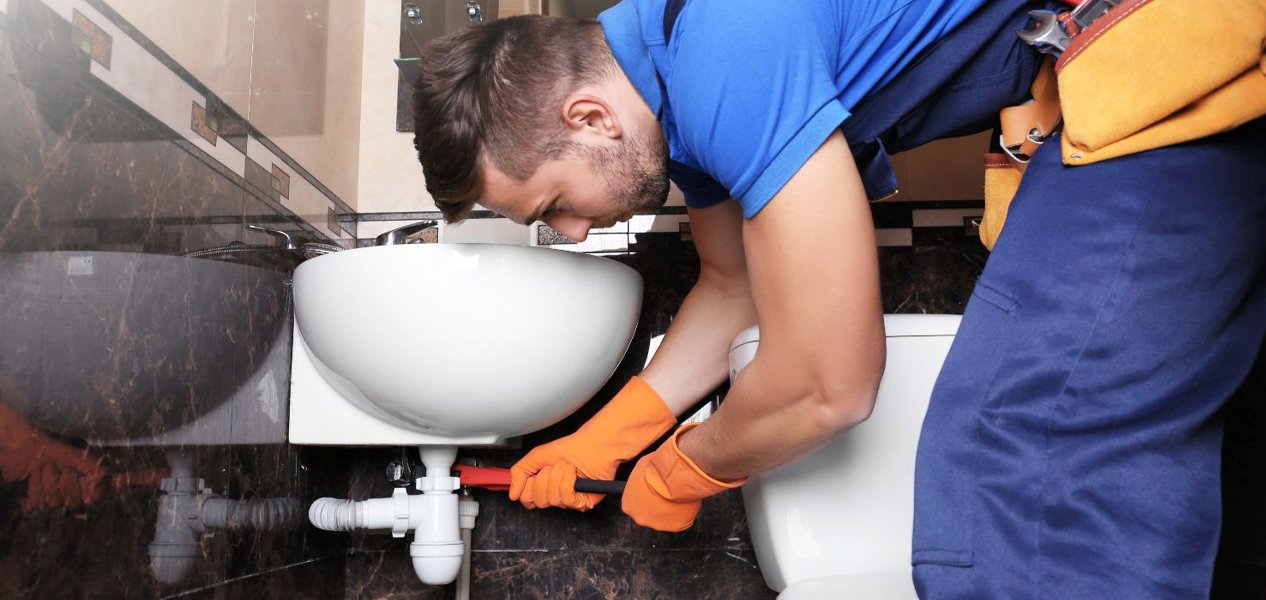
When Does a Toilet Problem Become a Plumbing Emergency?
Not every toilet failure needs immediate service, but some conditions cannot wait. The real question is whether water, waste, or drainage remains under control. Clear toilet emergency criteria help homeowners decide when routine repair becomes a problem needing faster professional attention.
An Overflow That Keeps Rising Needs Immediate Action
An overflowing bowl can move from manageable to urgent within minutes. Stop flushing immediately and watch whether the water level continues rising. If possible, close the toilet’s local shutoff valve before water reaches flooring or nearby bathroom materials.
Follow these toilet overflow emergency steps:
- stop flushing the toilet immediately
- close the local water supply
- keep people away from wastewater
- check whether other drains are affected
A toilet overflow stop is only the first response, not the repair. If water continues rising after supply control, a deeper blockage may exist. An overflowing toilet emergency becomes more serious when sewage appears in tubs, showers, or floor drains.
A Clog Becomes an Emergency When It Spreads
Most paper clogs remain inside the toilet trapway and respond to plunging. However, a toilet clog not clearing after reasonable attempts needs closer diagnosis. Repeated backups can involve a branch drain, venting problem, or restriction farther inside the sewer system.
Knowing when a clog needs plumber attention depends heavily on nearby fixtures. One blocked toilet differs from several drains backing up together. A clogged toilet emergency plumber becomes more appropriate when wastewater spreads, multiple fixtures stop draining, or normal household sanitation becomes unavailable.
Avoid these actions during a severe blockage:
- repeatedly flushing a full bowl
- adding chemical drain cleaner
- forcing solid objects deeper
- continuing to use nearby backed-up drains
When a Toilet Suddenly Won’t Flush
A toilet suddenly won’t flush for several different reasons. The tank may not contain enough water, the handle chain may disconnect, or the flush valve may fail. A blocked trapway can also prevent bowl contents from draining normally.
A toilet flush failure emergency depends on what happens next. If the bowl remains contained and another toilet works, routine service may be reasonable. Rising wastewater, repeated backups, or drainage changes elsewhere create stronger reasons for urgent toilet repair.
A Toilet That Will Not Stop Running
When a toilet won’t stop running, the cause often stays inside the tank. A worn flapper, faulty fill valve, incorrect float setting, or damaged seal can keep water moving. Continuous refill cycles also increase unnecessary water use over time.
A constant running toilet fix is usually less urgent than an overflow. However, urgency changes when the tank overfills, water escapes outside the fixture, or the shutoff valve fails. Those conditions can turn a simple running toilet repair into a need for faster service.
Use the Whole Bathroom to Judge Severity
A reliable toilet emergency classification considers more than one visible symptom. Check the toilet, nearby sink, shower, tub, and floor drain before deciding. Gurgling, slow drainage, sewage movement, or rising water elsewhere may reveal a larger drainage problem.
Emergency plumbing is most useful when the problem cannot stay safely contained. Uncontrolled overflow, sewage backup, active supply leakage, and failed water shutoff deserve prompt attention. Minor running, weak flushing, or isolated noise can usually receive scheduled diagnosis instead.
What to Do While Waiting for Professional Repair
Once the water source is controlled, avoid unnecessary testing or repeated flushing. Note when the problem started, which fixtures changed, and what happened after each flush. These details help the plumber separate fixture trouble from branch or main-drain problems.
Good toilet overflow prevention also starts before emergencies happen. Keep unsuitable items out of the bowl, notice recurring clogs early, and confirm the shutoff valve works. Knowing what counts as a toilet emergency helps homeowners respond calmly while avoiding temporary fixes that hide larger faults.
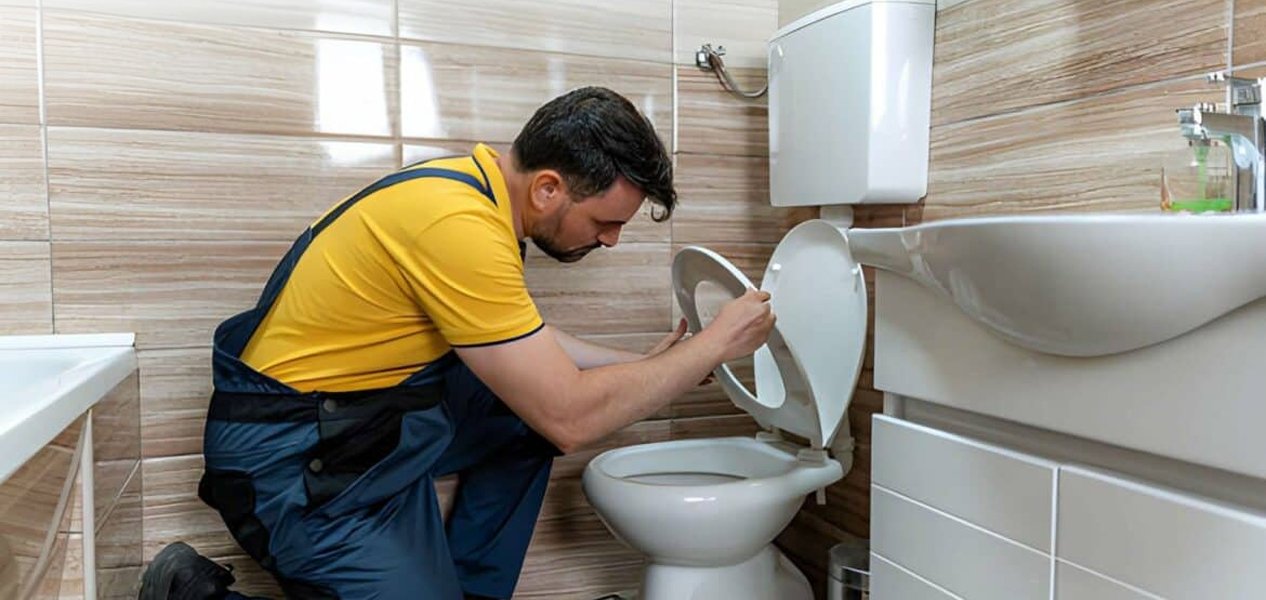
Why Toilet Leaks and Overflow Need Fast Attention
A leaking toilet rarely stays limited to one visible puddle. Water may escape from the base, tank, supply line, or seals. Slow moisture can reach flooring before homeowners notice clear surface damage. That timing makes early diagnosis important for preventing wider repair needs.
What Causes Water Around the Toilet Base?
A toilet base water leak often starts below the bowl. A worn wax ring may lose its seal during flushing. Loose bolts or flange damage can also break that connection. Movement may then let water escape beneath the fixture repeatedly.
Look for these toilet leak signs:
- moisture appearing after each flush
- soft flooring beside the toilet
- a bowl that shifts slightly
- staining near the toilet base
A wax ring leak toilet problem should not be guessed. Condensation and supply connections can leave water in similar places. Good toilet leak detection early means checking when moisture appears. It also means noticing whether flushing changes the leak pattern.
Slow Leaks Can Affect More Than the Fixture
A small toilet leak can create larger repair needs gradually. Water may move beneath flooring or collect near the subfloor. Repeated moisture can affect trim, fasteners, and nearby support materials. Those changes may stay hidden until the surface begins showing clues.
This is why slow leak toilet damage deserves timely attention. A toilet leak over time can also loosen mounting points. That movement may place more stress on the toilet seal. Repair should address both the source and affected support below.
Supply Lines, Tanks, and Cracked Porcelain Need Different Repairs
Some toilet leaks begin above or beside the fixture instead. Water may drip from supply lines, valves, bolts, or gaskets. A cracked tank or bowl creates a different repair decision. Structural porcelain damage can make replacement more practical than patching.
Check these areas when water appears:
- supply line and valve connection
- tank bolts and lower gasket
- visible tank or bowl cracks
- moisture beneath the toilet base
A toilet seal leak fix cannot solve every leak source. Cracked porcelain and failed fittings need completely different repair methods. When water keeps flowing, close the local supply valve first. That step can reduce further leakage before professional service begins.
Toilet Overflow vs Leak: Which Is More Urgent?
The toilet overflow vs leak question depends mostly on control. A small contained drip may allow a prompt scheduled repair. An overflowing bowl needs faster action when wastewater keeps rising. Urgency also increases when nearby tubs or floor drains react.
Leak vs overflow severity also depends on incoming water flow. A failed shutoff valve can make active leakage harder to control. Sewage backup or a cracked tank can raise urgency further. Those conditions may justify calling an emergency toilet plumber immediately.
Prevent Repeat Leaks After the Repair
Toilet leak prevention tips should focus on movement and connections. Watch for rocking, new moisture, refill changes, or fresh stains. Avoid overtightening porcelain bolts during basic maintenance or minor repairs. Excess force can crack the fixture instead of improving support.
A proper toilet base leak repair should finish with verification. The toilet should stay stable, flush normally, and remain dry. Early checks also support toilet damage prevention after service ends. They help confirm that the original leak source was actually corrected.
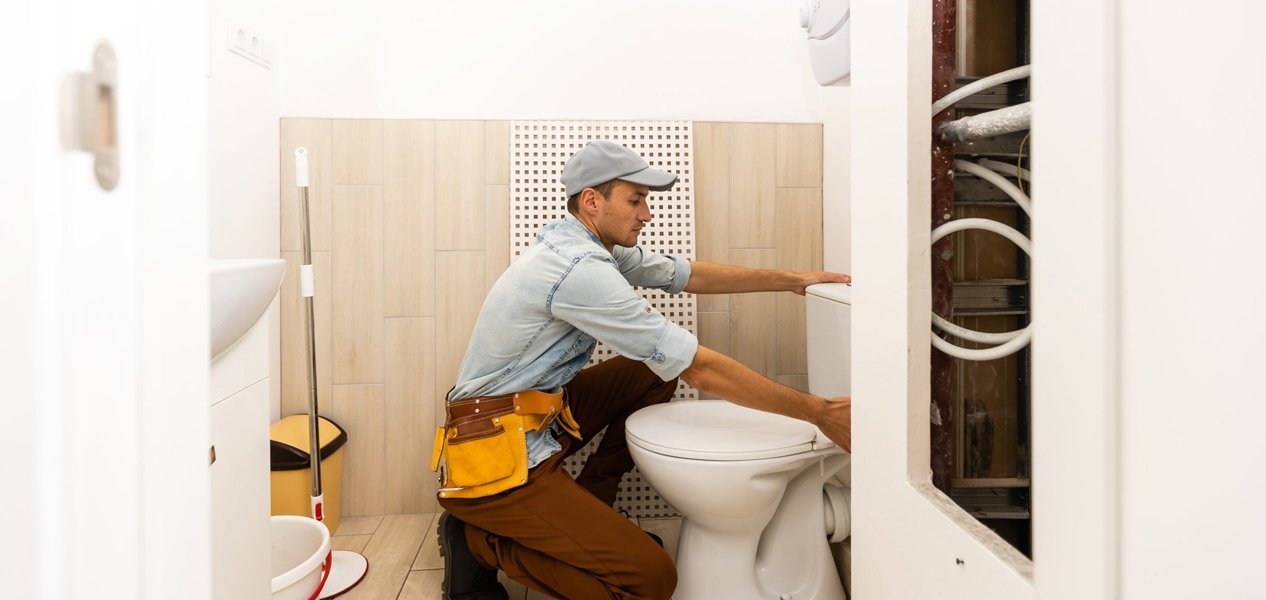
Why Toilet Clogs Keep Returning and What They Really Mean
A toilet keeps getting clogged for several reasons, so start by identifying the pattern. Too much paper can block the trapway once, while repeated trouble may involve weak flushing, mineral buildup, foreign objects, poor venting, or a deeper drain restriction.
Start by Finding Where the Blockage Begins
Frequent toilet blockage causes become clearer by watching nearby fixtures. If only one toilet drains slowly, the blockage may sit inside its trapway or branch line. When several drains gurgle or back up together, the main sewer line deserves closer inspection.
Common clues include:
- bowl water rising after each flush
- repeated clogs after successful plunging
- gurgling from tubs or nearby sinks
- wastewater appearing in another fixture
A toilet backs up repeatedly when the original restriction remains in place. Plunging may restore temporary flow without clearing the full obstruction. That is why a toilet clog repeated within days should be treated as a diagnostic clue, not simple bad luck.
When the Toilet Will Not Flush Properly
Several toilet won’t flush causes begin inside the tank rather than the drain. Low tank water, a loose chain, a worn flapper, or a failed flush mechanism can reduce flushing force. Mineral buildup around rim jets can also weaken bowl wash and waste removal.
Signs of toilet flush mechanism issues include:
- handle moves without lifting the flapper
- tank refills but flush strength stays weak
- bowl contents move slowly after flushing
- water level inside the tank looks low
A weak flush toilet repair should match the actual cause. Replacing tank parts will not fix a blocked drain, while aggressive plunging will not correct poor tank water level. A useful toilet flush repair guide separates mechanical failure from drainage trouble first.
Can You Unclog a Toilet Without a Plumber?
You can often fix a clogged toilet without plumber help when the blockage is simple and contained. Use a proper flange plunger with steady pressure, then let the bowl settle before testing. Avoid repeated flushing because rising water can turn a small clog into an overflow.
Basic diy toilet clog solutions may help when:
- only one toilet is affected
- the bowl is not overflowing
- no solid object was flushed
- nearby drains continue working normally
Avoid chemical toilet clog home remedy products when the bowl stays blocked. Cleaner can remain trapped with wastewater and make later service harder. A closet auger may help local clogs, but forcing unknown objects deeper can create a more difficult removal problem.
Know When a Clog Points to the Sewer
A toilet drain backup becomes more concerning when flushing affects showers, tubs, or floor drains. Gurgling across several fixtures can indicate trapped air around a larger restriction. A toilet sewage backup needs faster professional attention because the problem extends beyond ordinary fixture performance.
Prevent Recurring Toilet Clogs
Good toilet clog prevention tips focus on what enters the bowl and how the fixture performs. Flush only suitable waste and toilet paper, keep wipes and solid items out, and investigate weak flushing early. These habits help prevent recurring toilet clogs.
A chronic toilet clog fix should address the reason flow keeps failing. That may mean clearing a deeper obstruction, correcting a vent issue, repairing weak flush parts, or checking the sewer line. Lasting toilet backup prevention starts with finding the cause.
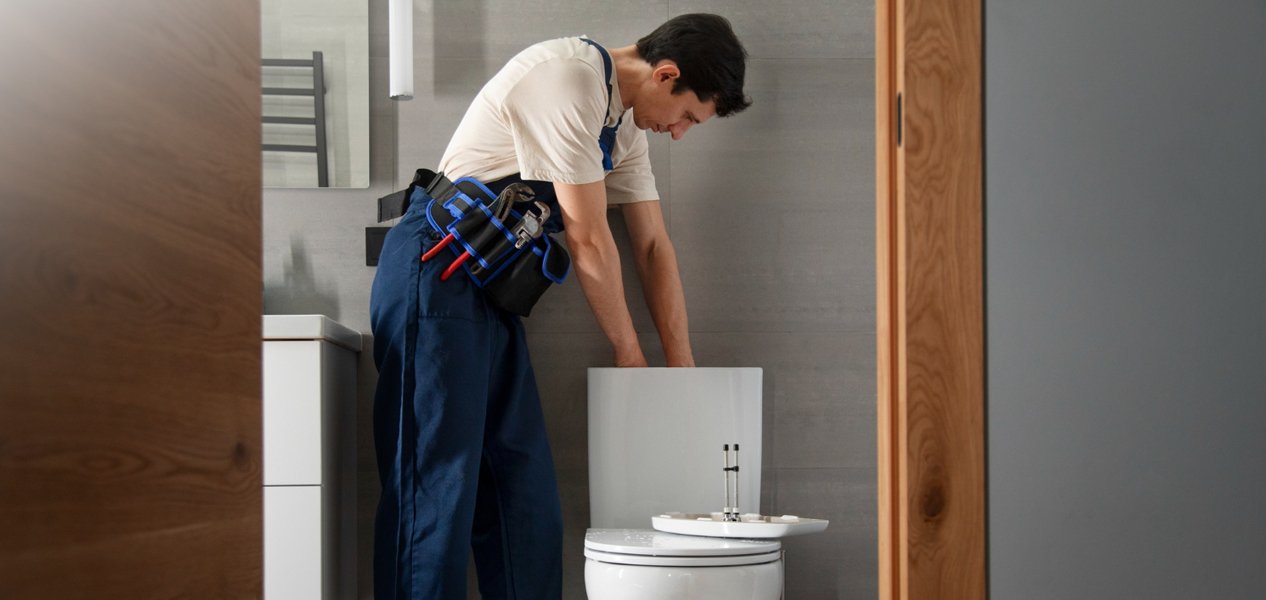
Bad Toilet Habits That Cause Problems and How to Prevent Them
Many toilet problems begin with ordinary habits repeated for months. Flushing unsuitable items, ignoring slow drainage, or using harsh cleaners can place extra strain on the fixture and drain system. Better daily choices help prevent common toilet problems before repairs become more involved.
Stop Flushing Items That Do Not Break Down Easily
Toilets are designed mainly for human waste and toilet paper. Wipes, paper towels, hygiene products, cotton items, and small objects can remain intact inside pipes. Flushing wrong items that toilet systems cannot handle often leads to recurring clogs farther down the drain.
Keep these items out of the bowl:
- wipes, including many labeled as flushable
- paper towels and cleaning cloths
- hygiene products and cotton items
- toys, packaging, and solid objects
These common toilet mistakes can create partial restrictions before a full blockage appears. Water may still drain at first, which makes the problem easy to miss. Later, added waste can catch on the restriction and cause repeated backups or slower flushing.
Avoid Overloading the Bowl During One Flush
Using too much toilet paper at once can overwhelm some trapways. Older fixtures or toilets with weak flushing may struggle sooner. When the bowl already drains slowly, adding more material increases blockage risk and can turn routine toilet trouble into an overflow.
A simple toilet care routine includes watching how the bowl clears. Repeated slow movement, rising water, or incomplete waste removal deserves attention. Those changes often provide earlier clues than waiting until the toilet stops draining completely.
Do Not Rely on Chemical Drain Cleaners
Chemical drain cleaners are not a good first choice for toilet clogs. Thick waste, excess paper, or solid objects may not respond properly. Chemicals can remain trapped inside standing wastewater, making later plunging or professional service more difficult.
Better first steps include:
- stop flushing when water rises
- use a proper flange plunger
- avoid forcing unknown objects deeper
- call a plumber when clogs return
These toilet problem prevention tips focus on removing causes instead of hiding symptoms. If plunging works only briefly, the blockage may remain farther inside. Repeated temporary fixes can delay proper diagnosis of branch drain, vent, or sewer trouble.
Never Ignore Movement, Leaks, or New Sounds
A toilet should remain stable during normal use. Rocking can stress the wax seal and mounting points beneath the bowl. Fresh moisture, repeated gurgling, ghost refilling, or unusual tank sounds should also become part of regular toilet upkeep and prevention.
Small habits can create larger toilet problems when warning signs stay ignored. Continuing to use a loose fixture may worsen seal problems. Repeated flushing during a blockage can cause overflow. Ignoring active running toilet can also waste water and hide worn tank parts.
Use DIY Repairs Within Reasonable Limits
Basic adjustments can help when the cause is simple and visible. However, toilet misuse habits damage parts when homeowners overtighten bolts, force stuck hardware, or repeatedly plunge solid objects. Porcelain can crack, and deeper obstructions may become harder to remove.
Build a Simple Long-Term Maintenance Routine
Good long-term toilet maintenance does not require complicated work. Check for movement, moisture, slow flushing, unusual refill cycles, and loose connections periodically. Keep unsuitable items out of the bowl and address recurring symptoms before they become normal household behavior.
These habits help extend toilet life by reducing needless strain. More importantly, they make developing problems easier to recognize. Proper toilet maintenance works best when homeowners notice changes early, avoid harmful shortcuts, and request professional diagnosis when the same issue keeps returning.
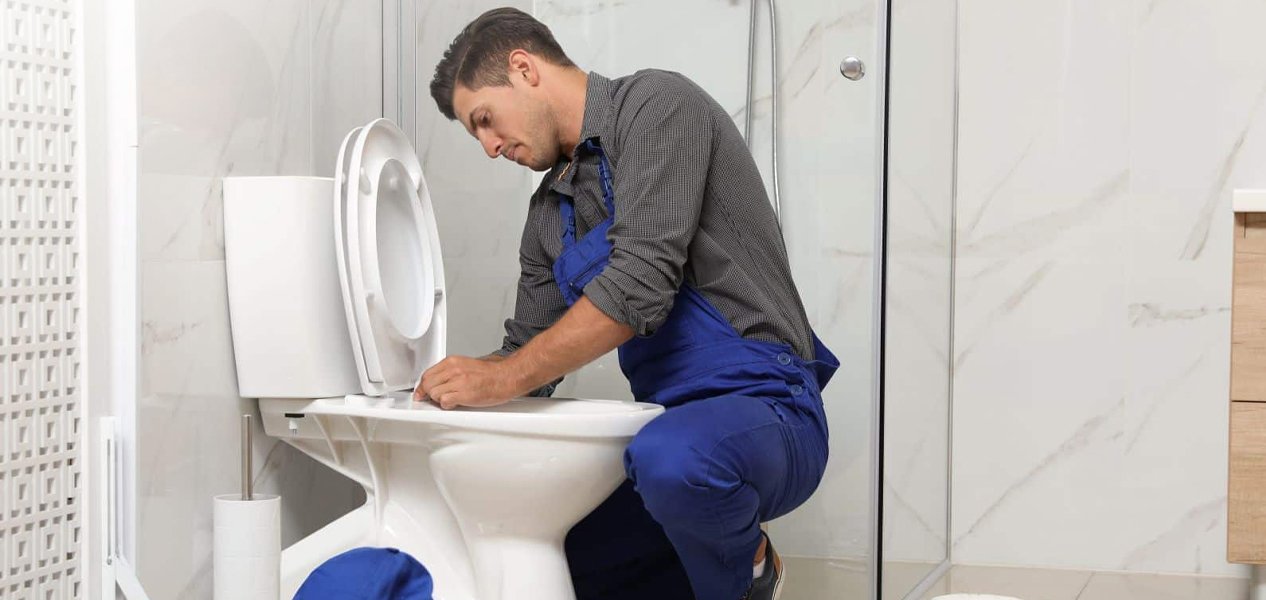
DIY Toilet Repair vs Professional Plumbing Help
Some toilet problems fix yourself with basic checks and simple tools. Others involve hidden seals, damaged parts, or blocked drain lines that need proper diagnosis. The key is knowing whether the problem is visible, contained, and responding normally after one careful repair attempt.
Simple Toilet Problems You Can Check Yourself
Easy toilet fixes DIY work best when the cause is clear. A loose handle, disconnected chain, simple flapper issue, or ordinary paper clog may need basic adjustment. Homeowners should stop when the repair requires removing major parts or guessing about hidden plumbing.
Useful toilet quick checks before plumber service include:
- confirm the tank has enough water
- check whether the flapper closes fully
- inspect the handle and chain connection
- use a flange plunger for simple clogs
Toilet troubleshooting yourself should remain limited to visible, low-risk problems. One successful adjustment should restore normal flushing, refilling, or drainage. If the same symptom returns shortly afterward, another temporary repair may hide a problem farther inside the toilet or drain system.
Know When DIY Repair Has Reached Its Limit
The diy toilet repair limit becomes clear when water escapes the fixture. Base leaks, cracked porcelain, failed shutoff valves, repeated backups, or several slow drains need deeper inspection. These problems can involve parts or pipe sections that homeowners cannot evaluate from above.
Stop DIY and call a plumber service when:
- plunging only provides temporary relief
- sewage appears in another fixture
- water leaks beneath the toilet base
- the toilet rocks after tightening hardware
The plumber vs DIY toilet decision should also consider cause certainty. Replacing a flapper makes sense when the seal is clearly worn. Repeatedly changing tank parts will not help when poor flushing comes from rim buildup, vent trouble, or a deeper drain restriction.
Why Temporary Toilet Repairs Can Backfire
Temporary toilet repairs lead to worse outcomes when they hide symptoms without correcting causes. Continually tightening a rocking toilet can stress porcelain or damaged mounting parts. Repeated plunging may not remove a deeper blockage, while chemical cleaners can remain trapped inside standing wastewater.
A band-aid toilet repair risk also appears with leaks. Wiping water away does not repair a wax ring, loose flange, cracked tank, or failed supply connection. Moisture may continue reaching hidden surfaces even when the visible floor appears dry between toilet uses.
What to Try Before Calling a Plumber
Reasonable diy steps before plumber service should focus on control and observation. Stop flushing when bowl water rises, close the supply valve during active leakage, and note whether nearby fixtures behave differently. Avoid dismantling unfamiliar parts when the source remains uncertain.
Before calling emergency plumber service, check:
- whether incoming water can be stopped
- whether several fixtures are backing up
- whether wastewater is leaving the bowl
- whether the toilet tank or bowl is cracked
An emergency toilet plumber becomes appropriate when water or sewage cannot stay contained. Active overflow, failed shutoff control, severe backup, or spreading leakage needs faster attention. Less urgent faults can usually receive scheduled professional diagnosis without treating every toilet symptom as an emergency.
The strongest diy vs plumber toilet repair decision comes from knowing your limits. Handle simple, visible problems carefully, then confirm normal operation afterward. When DIY fails, toilet repair should shift toward diagnosis, because lasting repairs correct the underlying cause instead of repeatedly masking symptoms.
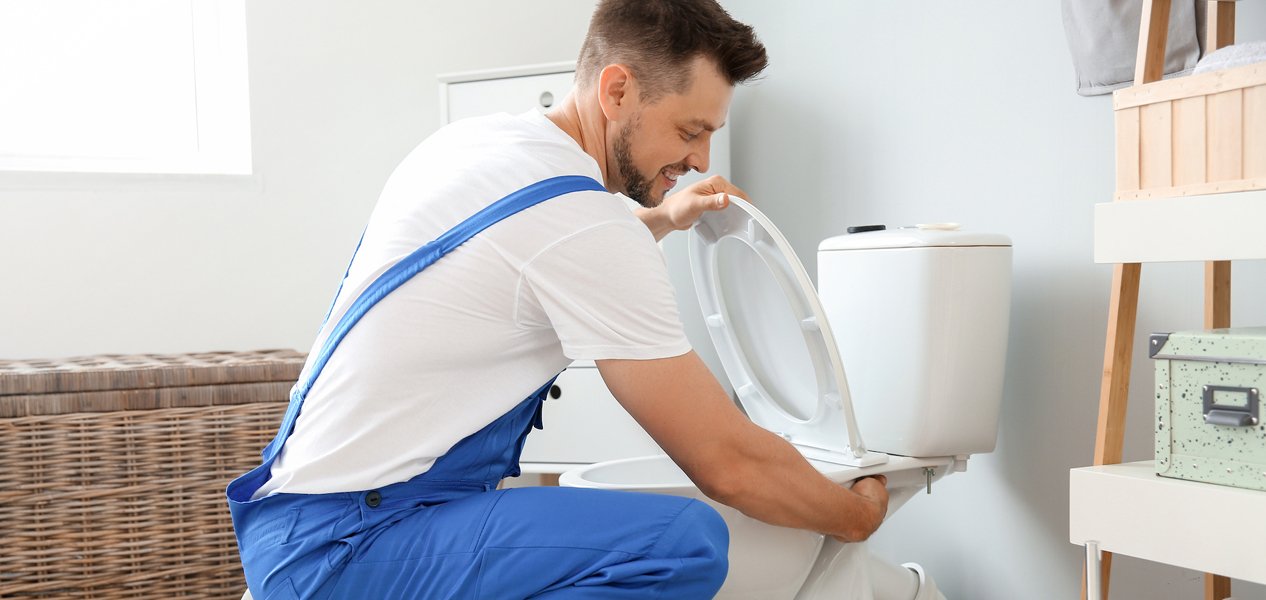
When to Call an Emergency Toilet Plumber and What to Expect
Some toilet problems can wait for normal service, while others need faster attention. The deciding factors are usually water control, sewage movement, and fixture condition. Knowing when to call emergency toilet plumber service helps homeowners act without treating every toilet fault like a crisis.
Situations That Need Immediate Plumbing Help
Several urgent toilet situations become serious because the problem cannot stay contained. Active overflow, wastewater backup, or rapid leakage can affect nearby surfaces quickly. These toilet emergency scenarios deserve faster action than a running toilet, weak flush, or isolated tank noise.
Common emergency plumber call signs include:
- overflow that keeps rising
- sewage entering nearby fixtures
- failed toilet shutoff valve
- cracked tank releasing water
A 24/7 emergency toilet plumber may also be needed when several drains back up together. That pattern can point toward a deeper branch or sewer blockage. In these cases, repeated plunging may restore little flow while delaying proper diagnosis.
What an Emergency Plumber Checks First
The emergency plumber approach begins with controlling the active problem. Water flow, bowl level, nearby drains, and visible leakage help determine the first step. The plumber then checks whether the fault begins inside the fixture, beneath it, or farther downstream.
An emergency plumbing procedure may include:
- stopping uncontrolled water flow
- testing toilet drainage and flushing
- checking nearby fixture behavior
- inspecting seals and supply parts
The emergency plumber handles toilet problems differently based on the source. A failed fill valve needs a different repair than a blocked sewer line. Likewise, water beneath the bowl may involve a wax ring, flange problem, loose mounting, or cracked porcelain.
Why Fast Toilet Repair Matters
Fast toilet repair matters most when water or sewage continues moving. The goal is not simply restoring one flush. Quick-response plumbing toilet service should first control the source, then prevent repeated overflow, leakage, or backup while the actual cause receives attention.
Emergency repair speed importance depends on severity, not inconvenience alone. A continuously running toilet usually allows scheduled repair when water stays contained. A supply leak, sewage backup, or uncontrolled bowl overflow changes that decision because the condition can continue spreading.
What to Expect During the Emergency Plumber Visit
The emergency plumber arrival process usually starts with questions about timing and symptoms. Homeowners should mention what happened before the failure, whether plunging was attempted, and whether other drains changed. That information can narrow possible causes before more detailed inspection begins.
During an emergency plumber visit, expect the technician to confirm the problem before choosing repairs. That may involve tank components, shutoff valves, seals, drain clearing, or sewer diagnosis. Good toilet emergency service should address the cause instead of only clearing the visible symptom.
What Homeowners Should Do Before Help Arrives
Before emergency service arrives, stop unnecessary flushing and control incoming water when possible. Keep people away from wastewater and avoid chemical drain cleaners. Also note which fixtures are affected, because that detail can help distinguish toilet trouble from a larger drain problem.
An emergency toilet plumber is most valuable when the situation cannot wait safely. Clear toilet emergency response starts with controlling water, recognizing wider drainage signs, and avoiding repeated temporary fixes. Professional repair should then restore function while confirming why the failure happened.
FAQs
When should I call an emergency toilet plumber?
Call an emergency toilet plumber for uncontrolled overflow, sewage backup, active supply leaks, or several drains backing up together. These problems usually need faster attention than routine toilet repairs.
What should I do first when my toilet overflows?
Stop flushing immediately and close the toilet’s shutoff valve when possible. Keep people away from wastewater, then check whether nearby drains are also backing up before calling a plumber.
Why does my toilet keep clogging after plunging?
Repeated clogs may come from a deeper drain restriction, weak flushing, vent trouble, or a sewer blockage. Temporary relief from plunging does not always remove the actual cause.
What causes water to leak around the toilet base?
Base leaks can involve a worn wax ring, loose mounting, flange damage, or cracked porcelain. Supply connections may also leak nearby, so the exact source should be identified before repair.
Can I repair toilet problems myself?
Simple clogs, loose handles, or basic tank adjustments may be manageable. Stop DIY work when leaks continue, porcelain cracks, several drains back up, or the same problem keeps returning.