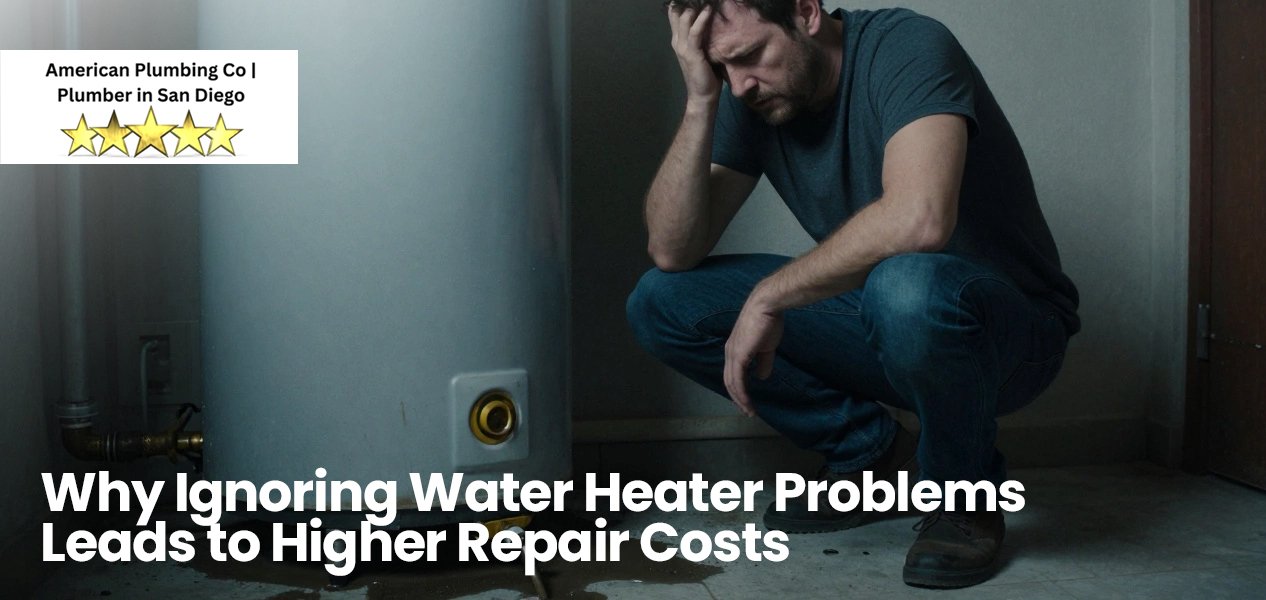
Why Ignoring Water Heater Problems Leads to Higher Repair Costs
Most homeowners rarely think about their water heater until trouble starts. The system works daily and stays hidden from sight. Because of that, many people ignore small warning signs for months. At first, the issue seems harmless and easy to overlook. However, that small problem often grows into a much larger expense later.
Imagine hearing a soft popping sound from your utility room each week. Many homeowners brush it off because hot water still flows normally. A few months later, the heater works harder, and utility bills begin rising. Soon, the problem affects daily comfort, and repair costs increase quickly. This guide explains why acting early saves money and prevents bigger troubles ahead.
The Real Cost of Waiting Too Long
Many people delay repairs because the heater still produces hot water. While that seems reasonable, the damage often continues growing inside. As time passes, worn parts place extra strain on other components. Eventually, one issue leads to another, and repair costs begin climbing.
A homeowner in Texas noticed longer wait times for hot water. Since the heater still worked, he postponed calling for help. Several months later, a failed part damaged nearby components inside. The final bill became much larger than the original repair needed.
This situation happens often in homes throughout the country each year. Small concerns rarely stay small when heat and water work together. Therefore, quick action often protects both the system and the household budget.
How Small Problems Become Expensive Repairs
Many heater issues start quietly and show very little disruption. Because daily routines continue, homeowners often delay needed service visits. Unfortunately, hidden wear continues developing behind the scenes each day.
A minor leak may begin around a valve or connection point. At first, only a few drops appear near the unit. Later, moisture affects nearby materials and creates larger concerns indoors. What seemed minor now requires extra labor and replacement parts.
The same pattern happens with heating elements and internal parts. One worn piece forces the system to work much harder daily. As stress increases, nearby parts begin wearing out much faster. Consequently, repair costs continue growing while performance keeps dropping.
Common Early Problems Homeowners Ignore
- Small puddles near the heater
- Soft popping sounds during heating cycles
- Water is taking longer to heat.
- Brief changes in water temperature
- Rust near fittings or valves
- Slight increases in utility bills
Each sign may appear minor at first glance. Together, they often signal growing internal wear that deserves attention.
The Cost Timeline Most Homeowners Never See
Many competitor articles discuss warning signs, yet miss an important detail. Homeowners rarely understand how repair costs increase over time. Looking at a simple timeline makes the risk much easier to understand.
Month One
A small issue begins affecting system performance. Most homeowners notice nothing unusual during daily use. The heater still provides enough hot water for household needs.
Month Six
The system works harder because internal strain keeps increasing gradually. Utility costs rise, and heating times become noticeably longer. However, many people still choose to wait before seeking help.
Month Twelve
Worn parts begin affecting nearby components inside the heater. Repair needs become larger, and labor time increases significantly. At this stage, costs often exceed the original repair amount.
Month Eighteen And Beyond
The risk of leaks and major failures becomes much higher. Some homeowners now face replacement decisions instead of simple repairs. Therefore, delaying action often creates far greater expenses than expected.
Warning Signs You Should Never Ignore
Many homeowners expect major problems to appear suddenly and clearly. In reality, most systems provide warning signs long before failure occurs. Recognizing those signs early helps prevent costly repairs later.
A family in Arizona noticed water stayed warm for shorter periods. Because mornings remained manageable, they ignored the issue for months. Eventually, the heater struggled to meet daily household demand. After inspection, several worn parts required replacement, and costs increased.
Watch for these warning signs whenever using hot water regularly.
Signs That Need Attention
- Hot water runs out sooner than usual.
- Water temperature changes without warning
- Popping sounds come from the tank.
- Utility bills rise without explanation.
- Rust appears around visible connections.
- Water collects near the heater base.
- Heating takes longer than before
These signs often appear before major damage develops. Therefore, early action usually saves both money and stress.
How Sediment Buildup Quietly Raises Costs
Sediment is one of the most common causes of heater trouble. Yet many homeowners have never heard about this issue before. Minerals settle inside the tank and create a growing layer. Over time, that layer affects heating performance and overall efficiency.
The heater must work harder to warm water through sediment buildup. As a result, energy use rises, and internal stress increases. Parts remain active longer during each heating cycle every day. Eventually, extra strain leads to wear that requires costly repairs.
Homes with hard water often experience this issue much faster. Therefore, routine care becomes even more important in those areas. Many repair visits begin with a problem linked directly to sediment.
Why Sediment Causes Trouble
- Heating takes longer than normal.
- Energy use increases steadily.
- Internal parts face greater strain.
- Performance drops over time.
- Repair needs become more frequent.
Ignoring sediment may seem harmless at first. However, the long-term effects often become expensive for homeowners.
The Hidden Utility Bill Problem
Many articles mention repairs yet overlook another important expense. A struggling heater often increases monthly utility costs before failing. That means homeowners lose money long before calling for service.
Think about a heater working twice as hard each day. The system uses more energy while delivering weaker performance overall. Although the change appears small, monthly costs continue to grow steadily. Over the course of a year, those added expenses become surprisingly significant.
This is where water heater repair becomes important for many homeowners. Early service often restores efficiency before larger issues develop internally. As a result, households save money while extending system life.
Likewise, a trusted plumbing repair service can identify concerns before damage spreads. A simple inspection often reveals issues hidden from everyday view. Therefore, early attention remains one of the smartest ways to reduce costs.
Why Minor Heater Issues Rarely Stay Minor
People often assume working systems do not need immediate attention. While that idea seems logical, it creates problems over time. Heat, pressure, and daily use place constant stress on equipment. Because of that, even small concerns deserve prompt action.
The good news remains simple. Most costly repairs start as manageable issues. When homeowners act early, they often avoid larger expenses later. Furthermore, they enjoy better performance and more dependable hot water. The next sections will explore leak damage, hidden costs, and other risks that many competitors rarely discuss.
Why Water Heater Leaks Cost More Than Most Homeowners Expect
A small leak may seem harmless when it first appears. Many people place a towel nearby and move on. Unfortunately, water rarely stays in one place for long. Over time, moisture spreads and creates damage throughout nearby areas.
One homeowner noticed a damp spot near the heater each week. Since the puddle remained small, he delayed getting help. Several months later, the damaged flooring required repairs beyond the heater itself. What began as a simple fix became a much larger expense.
Water damage often affects more than the heater alone. In many cases, homeowners face several related repair needs afterward.
Hidden Costs Often Linked To Leaks
- Damaged flooring near the unit
- Wet drywall behind nearby walls
- Mold growth in dark spaces
- Storage items ruined by moisture
- Extra labor during repairs
These plumbing damage issues often surprise homeowners because they develop slowly. Therefore, addressing leaks early remains one of the easiest ways to save money.
How Daily Water Use Affects Heater Wear
Not every home places the same demand on a water heater. A single person uses far less hot water each day. Meanwhile, a large family depends on constant hot water access.
Morning showers, laundry cycles, and dishwashing all add pressure. As demand increases, internal parts work harder every single day. Because of this, heavier use often shortens part of life significantly.
A family of six may notice heater wear sooner than expected. However, a smaller household might experience slower wear over time. Understanding usage habits helps homeowners plan maintenance more effectively.
Likewise, routine heater maintenance becomes even more valuable in busy households. Small inspections often reveal wear before larger problems develop internally.
The Risk Of Waiting For A Complete Failure
Many homeowners wait until the heater stops working completely. While that approach seems practical, it often creates bigger expenses. Emergency repairs usually cost more than planned service visits.
Imagine waking up before work without any hot water available. Suddenly, the problem becomes urgent, and immediate action is necessary. At that point, repair choices become limited, and stress increases quickly.
A sudden failure may also create scheduling challenges for families. Therefore, waiting for a total breakdown rarely saves money in the end.
This growing system breakdown risk often turns manageable repairs into major projects. Early action usually provides more options and lower overall costs.
Hard Water Creates Problems Faster
Many homes contain minerals that remain inside the water supply. Over time, those minerals settle and affect heater performance. As deposits grow, heating becomes less efficient and wear increases.
Homeowners often notice longer heating times and rising utility costs. However, many never connect those changes to hard water effects. The problem continues growing while internal parts face additional strain.
A local plumber once shared a simple observation with homeowners. He explained that neglected mineral buildup creates many repair visits yearly. That real-world experience matches what many technicians see regularly.
The long-term damage risks linked to hard water often remain hidden. Yet those risks increase significantly when routine care gets ignored.
Repair Or Replace: Knowing The Right Time
One common question appears during almost every service visit. Homeowners want to know whether repair or replacement makes sense. The answer depends on age, condition, and overall system health.
Repairs often make sense when one part causes the problem. In those situations, costs remain reasonable, and performance improves quickly. However, replacement may become the smarter choice in certain cases.
Repair Usually Makes Sense When
- The issue involves one damaged component.
- The tank remains in good shape.
- Repair costs stay manageable.
Replacement May Make Sense When
- Leaks continue returning frequently.
- Rust affects major tank areas.
- Several parts fail together.
- Repair costs keep increasing.
A trusted technician can explain options based on actual conditions. Therefore, homeowners can make informed choices without unnecessary spending.
Simple Maintenance Steps That Save Money
Many costly repairs begin with issues that routine care prevents. Fortunately, a few simple habits can help reduce future expenses. These steps require little effort yet provide meaningful benefits.
Helpful Maintenance Habits
- Check for leaks regularly.
- Watch for rust around fittings.
- Listen for unusual sounds.
- Schedule routine inspections
- Remove sediment when needed.
These simple actions support cost increase prevention and reduce future surprises. As a result, homeowners often enjoy better system performance and fewer repair needs.
What Happens If You Wait Another Year?
Consider a realistic example that many homeowners can understand easily. Today, a heater makes soft popping sounds during heating cycles. Since hot water still works, the owner decides to wait.
Six months later, heating takes longer, and energy costs increase. Daily routines continue, yet efficiency keeps dropping slowly. After one year, worn parts begin affecting system performance noticeably. Hot water supply decreases, and repair needs become more expensive.
Several months later, a leak developed near the tank base. Now, urgent service becomes necessary because water damage threatens nearby areas. This example reflects common failure progression issues seen during service visits. Therefore, small concerns deserve attention before higher costs develop.
Why Early Action Saves More Than Money
Most homeowners focus only on repair expenses when problems appear. However, early action provides benefits beyond financial savings alone.
A well-maintained heater delivers better daily performance consistently. Families enjoy dependable hot water without unexpected interruptions. Likewise, stress decreases because major failures become less likely. Prompt service also reduces escalating repair expenses that often follow delays. Small repairs remain easier to manage than major replacements later.
When homeowners address water heater issues early, they often avoid larger concerns. Consequently, they protect both comfort and household budgets effectively.
In some cases, a technician may recommend an appliance failure service inspection. That extra step helps identify hidden concerns before damage spreads further. Likewise, avoiding maintenance neglect remains one of the smartest choices homeowners make. Small efforts today often prevent larger expenses tomorrow.
When problems continue growing unchecked, homeowners frequently face a higher delayed repair cost than expected. Therefore, timing plays an important role in long-term savings.
Conclusion
Water heater problems rarely disappear without attention or proper repairs. Instead, small concerns often grow into larger and more costly issues. Leaks, sediment buildup, and worn parts create damage over time. Therefore, early action remains the best way to reduce future expenses.
Most importantly, homeowners should never ignore warning signs that seem minor. Quick inspections often reveal concerns before serious damage develops. By acting early, you can avoid stress, save money, and extend system life. Smart decisions today help prevent costly surprises tomorrow.
A small repair today often prevents a much larger bill tomorrow. If your water heater shows warning signs, do not wait for failure. Professional inspections help uncover hidden issues before costs increase further. Reach out today and keep your home running smoothly.
FAQs
Can a water heater work while damage develops inside?
Yes. Many systems continue working even while internal wear increases steadily.
Does hard water make repairs more likely?
Yes. Mineral deposits create extra strain and increase wear over time.
Can a small leak lead to bigger home repairs?
Yes. Water can damage the flooring, walls, and nearby stored belongings.
Why do repair costs increase after long delays?
Damage spreads to other parts, which creates more labor and expenses.
Is routine maintenance really worth the cost?
Yes. Regular care often prevents larger repairs and extends system life.