
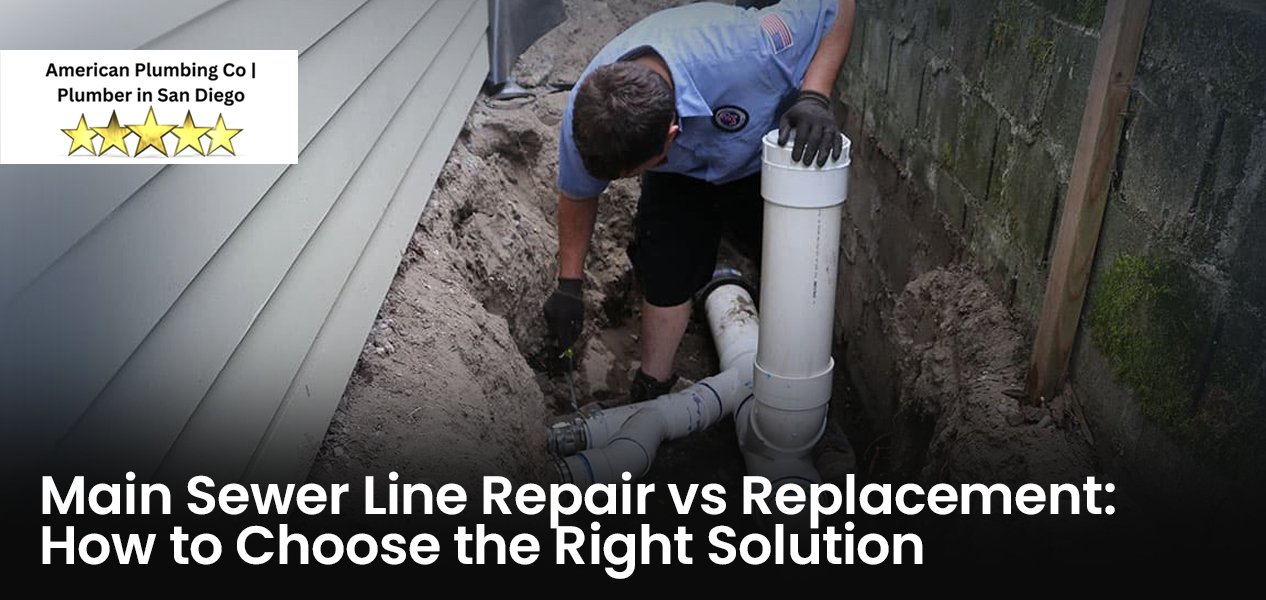
Main Sewer Line Repair vs Replacement: How to Choose the Right Solution
Most homeowners never think about their sewer line until something feels wrong inside the house. A slow drain may seem harmless at first. However, that small warning can hide a much larger problem below the ground. Ignoring those signs often leads to higher bills and unexpected stress later. Understanding main sewer line repair helps you make better choices before a simple issue grows into an expensive project.
This guide explains every important step clearly. Therefore, you can confidently compare every option and choose the solution that truly fits your home.
Know What Your Main Sewer Line Does Before Making Any Decision
Every Drain Inside Your Home Depends on This Important Pipe
Your home has many drains that carry wastewater away every single day. Every sink, shower, bathtub, and toilet sends water into one main pipe. That pipe moves everything toward the city sewer system or a private septic system.
Because this line runs underground, many people forget it even exists. Yet one problem inside this pipe can affect almost every drain inside the house. Consequently, small warning signs should never be ignored for very long.
Imagine finishing dinner while your kitchen sink suddenly drains much more slowly than usual. Later that evening, the downstairs toilet begins making strange bubbling sounds. Many homeowners think these problems are separate. However, both signs may point toward the same underlying issue.
Knowing how your sewer system works helps you respond sooner, rather than waiting until wastewater returns to your home.
Why Sewer Lines Start Failing Earlier Than Many Homeowners Expect
Several Everyday Factors Can Slowly Wear Down Underground Pipes
Many people believe sewer lines fail only after decades. While age matters, several other conditions may create problems much sooner than expected.
Some of the most common causes include:
- Growing tree roots are reaching tiny pipe openings.
- Soil movement after heavy rain or long dry periods.
- Older materials are wearing down with passing years.
- Grease builds up inside pipes after repeated use in the kitchen.
- Items flushed into toilets that never belong inside drains.
Each issue starts small. Still, every month without attention gives the problem another chance to grow.
A family may notice one slow bathroom drain for several weeks. Since every other fixture still works, nobody feels worried. Then, one weekend, several drains stop working together. Suddenly, what looked minor becomes an urgent repair project.
Simple attention during the early stages often prevents much larger work later.
Learn to Notice the Early Warning Signs Before Bigger Problems Begin
Small Changes Inside Your Home Often Tell an Important Story
Your plumbing system usually gives several clues before major damage happens. Those clues deserve attention because they rarely disappear on their own.
Watch for these warning signs:
- Water drains more slowly than normal.
- Toilets create bubbling sounds after flushing.
- Bad smells remain near sinks or floor drains.
- Water backs up into another fixture unexpectedly.
- Grass grows much faster over a one-yard area.
- Wet soil appears without recent rainfall.
Each sign may seem minor alone. However, several signs together deserve immediate attention.
Years ago, one homeowner ignored a slow shower drain because everything else worked normally. Two months later, wastewater entered the basement during a family gathering. That unpleasant experience could have been avoided with an earlier inspection.
Listening to your home’s warning signs often saves both money and frustration.
Understand the Difference Between Repair and Replacement
The Right Choice Depends on Pipe Condition Instead of Guesswork
Many homeowners immediately assume that every sewer problem requires a brand-new pipe. Others believe fixing one small section always solves everything. Neither approach works for every situation.
Sometimes, sewer pipe repair fixes one damaged area while leaving the rest of the pipe working properly for many more years.
Other situations require sewer line replacement because the entire pipe has reached the end of its useful life.
The correct answer depends on several important factors instead of personal opinion.
These include:
- Overall pipe condition.
- Age of existing materials.
- Number of damaged sections.
- Future repair needs.
- Inspection findings.
Professional decisions rely on clear evidence rather than guesswork. Therefore, every recommendation should begin with careful testing before any work starts.
How Professionals Decide Which Option Makes Better Sense
Every Good Decision Starts With Clear Information
Experienced plumbers never recommend major work without first collecting important details. They want to understand the complete condition before suggesting any solution.
Most decisions begin with a sewer inspection using a special camera that travels inside the pipe. This process shows exactly where problems exist and how serious they have become.
During the inspection, professionals carefully check:
- Cracks inside the pipe.
- Root growth.
- Standing water.
- Pipe movement.
- Joint separation.
- Areas showing structural damage.
- Signs of corrosion.
- Blockages affecting water flow.
After reviewing these findings, they compare repair possibilities against future reliability.
This careful process protects homeowners from paying for work they may not actually need.
Damage Severity Matters More Than Most People Realize
Every Sewer Problem Does Not Require the Same Solution
One cracked section creates a very different situation than several failing sections spread across the property.
The following guide explains how damage usually progresses.
Level One
Minor buildup causes slower drainage without major pipe damage.
Level Two
Small cracks or early root growth begin affecting normal water flow.
Level Three
Several drains show problems, while water moves much more slowly than before.
Level Four
Large cracks or shifting joints create repeated plumbing problems.
Level Five
Collapsed sections completely stop wastewater and require immediate action.
Understanding these stages helps homeowners stay calm and make informed, rather than emotional, decisions.
One Important Question Every Homeowner Should Ask First
Can This Problem Wait, or Should Action Happen Immediately
Not every sewer issue requires emergency work. However, delaying serious problems almost always increases both damage and repair costs.
Generally, immediate attention becomes necessary when wastewater enters the home, or several fixtures stop working together.
On the other hand, a small issue discovered during routine maintenance often allows enough time to compare different sewer repair solutions before making a final decision.
Making decisions with clear information rather than in panic usually leads to better results and greater peace of mind.
When Repair Makes Sense Instead of Replacing the Entire Sewer Line
Some Problems Stay Limited to One Area and Need Less Work
Many homeowners feel worried after hearing their sewer line has been damaged. However, not every issue requires replacing the entire pipe. Sometimes one section creates the problem while the remaining line stays in good condition.
Repair often becomes a practical choice when professionals find:
- One isolated crack.
- Limited root growth.
- Small joint movement.
- Minor leaks.
- One damaged section with a healthy pipe nearby.
For example, a homeowner noticed wet soil beside the driveway after several rainy days. A camera inspection showed one cracked section, while every other area looked healthy. The plumber fixed only that section instead of replacing the entire line. The family avoided extra work and unnecessary expense.
Choosing the correct option depends on facts instead of fear. Therefore, careful inspection always comes before any recommendation.
Situations That Usually Point Toward Replacement
Sometimes, Fixing One Area Cannot Solve a Bigger Problem
Repair works well only when the remaining pipe still has enough strength. Unfortunately, older systems sometimes show damage in several places at once.
Replacement usually becomes the better choice when professionals find:
- Multiple broken sections.
- Repeated plumbing problems every year.
- Severe root growth across long distances.
- Large pipe movement.
- Materials reaching the end of their useful life.
Imagine replacing one broken floor tile while every other tile already feels loose. The new tile looks better, yet the floor still has bigger problems lurking beneath. Sewer lines often work the same way.
Making one repair within a failing system may only delay the need for another repair later.
Pipe Material Plays a Bigger Role Than Many Homeowners Expect
Different Materials Age in Different Ways
Not all sewer lines age the same way. The material below your yard strongly affects future performance and repair choices.
Older homes often contain materials that have already served for many decades. Newer homes usually include stronger materials that stay in better condition longer.
Here is a simple comparison.
Pipe Material | Typical Condition Over Time | Common Recommendation |
PVC | Usually remains stable | Repair when the damage stays limited |
Cast Iron | May rust with age | Depends on overall condition |
Clay | Cracks more easily | Depends on crack location |
ABS | Often performs well | Repair when possible |
Pipe material also affects expected pipe lifespan, making inspection even more valuable before choosing any solution.
Modern Repair Options Give Homeowners More Choices
Technology Has Changed Many Plumbing Projects
Years ago, many repairs required large trenches across lawns and driveways. Today, several situations allow much smaller work areas.
One example is trenchless methods, which reduce digging when conditions allow.
Still, these methods do not work for every property. Pipe condition, location, and damage level determine whether this option is appropriate.
Professional recommendations should always align with inspection results rather than follow a single approach for every home.
Hidden Costs Many Homeowners Never Expect
The Lowest Estimate May Not Stay the Lowest Total Expense
Many people compare only the first number written on an estimate. However, additional expenses sometimes appear after work begins.
Ask every contractor about possible costs involving:
- Lawn restoration.
- Driveway repairs.
- Sidewalk removal.
- Permit fees.
- Utility locating.
- Final cleanup.
Clear answers help homeowners prepare realistic budgets before work starts. Consequently, fewer surprises appear after the project begins.
Think Beyond Today’s Repair Bill
The Right Choice Should Also Support Future Plans
Many families plan to stay in their homes for many years. Others expect to sell within the next few seasons. That plan often affects today’s decision.
Someone planning to move soon may focus on correcting one isolated issue. Another family expecting to spend decades in the same home may prefer a more lasting solution.
Every decision should balance current needs with future goals rather than focusing solely on today’s price.
This simple approach often leads homeowners toward smarter long-term solutions that continue serving the property well after the project ends.
Underground Problems Often Stay Hidden Until They Grow
Waiting Too Long Usually Gives Damage More Time to Spread
Most sewer problems develop slowly beneath the surface. Since homeowners cannot easily see underground plumbing, many warning signs receive little attention.
Unfortunately, hidden damage rarely improves on its own.
One family ignored occasional toilet bubbling because everything still drained eventually. Months later, wastewater entered the basement after heavy rain. The final repair cost was much higher than it would have been on an earlier visit.
Small warning signs deserve attention because early action often prevents much larger problems later.
Common Mistakes Homeowners Can Easily Avoid
Better Decisions Begin With Better Questions
Many expensive mistakes happen before repair work even begins.
Avoid these common choices:
- Waiting until wastewater enters the home.
- Accepting the first estimate without comparison.
- Skipping camera inspection.
- Ignoring repeated plumbing problems.
- Assuming every issue needs a full replacement.
Instead, ask questions and request clear explanations before approving any work.
A trustworthy company welcomes informed homeowners because clear communication builds confidence on both sides.
How to Choose the Right Option for Your Home
Every Property Has Different Needs and Deserves a Different Answer
Many homeowners hope someone will give a simple answer to every sewer problem. Real homes rarely work that way. The best decision depends on inspection results and plans, not quick guesses.
Use this guide to compare common situations.
Your Situation | Better Choice | Reason |
One small crack | Repair | Damage stays limited to one area |
Minor root growth | Repair | Pipe still works well after cleaning |
Several damaged sections | Replacement | Problems exist in many locations |
Pipe keeps failing yearly | Replacement | Repeated work increases future expense |
One isolated leak | Repair | The remaining pipe stays in good condition |
Old system with many weak areas | pipe replacement | Greater value over many years |
This simple comparison helps homeowners understand why every recommendation should align with the actual condition of the pipe.
Ask the Right Questions Before Hiring Any Contractor
Good Answers Often Matter More Than Low Prices
Choosing a contractor requires careful thought because this work will affect your home for many years.
Before signing any agreement, ask these important questions:
- Can you show the camera inspection video?
- What caused the damage?
- Why do you recommend this option?
- Are other repair choices available?
- What warranty comes with the completed work?
- Will the yard need restoration afterward?
Clear answers show honesty and help homeowners understand every recommendation.
Small Habits Can Help Reduce Future Sewer Problems
Daily Choices Often Protect Your Plumbing More Than You Expect
Good plumbing habits begin inside the home long before problems appear outside.
Follow these simple tips:
- Keep grease out of kitchen drains.
- Flush only toilet paper.
- Watch for slow drains.
- Schedule routine plumbing checks.
- Plant large trees away from sewer lines.
- Fix small plumbing issues without delay.
These habits cannot stop every problem. However, they often reduce future damage and the need for unexpected repairs.
A Real Homeowner Story That Shows Why Timing Matters
One Early Decision Prevented Months of Stress
A homeowner noticed slow drainage inside the laundry room during the spring. Nothing seemed urgent because every fixture still worked. Still, the family decided to request plumbing repair services before the problem became larger.
The inspection found one cracked section with no major damage elsewhere. The plumber repaired only that area during one visit. Because they acted early, they avoided major digging and larger expenses later.
This example reminds homeowners that paying attention to small warning signs often leads to simpler answers.
Common Myths That Often Confuse Homeowners
Facts Make Better Decisions Than Assumptions
Many people accept outdated plumbing advice without checking the latest facts.
Myth: Every sewer problem requires complete replacement.
Fact: Many isolated problems respond well to repairs after careful inspection.
Myth: New pipes never need future attention.
Fact: Regular maintenance still helps every plumbing system perform better.
Myth: Every plumbing company recommends the same solution.
Fact: Honest recommendations depend on inspection findings and actual pipe condition.
Learning the facts helps homeowners avoid unnecessary work and spend money more wisely.
Choose Smart Sewer Solutions With Lasting Confidence
Every sewer problem deserves careful attention rather than quick decisions based solely on cost. A thorough inspection reveals the actual condition and helps homeowners compare all options fairly. Some homes benefit from repairs, while others need a complete sewer system replacement because damage has spread too far.
Acting early often saves money, reduces stress, and prevents larger plumbing issues. If you notice warning signs around your home, speak with an experienced plumbing team today. Contact us to discuss the right solution for your property.
FAQs
Can one damaged section always be repaired?
Not always. The answer depends on the condition of the surrounding pipes and the number of damaged pipes found during inspection.
How long does a repaired sewer line usually last?
Results depend on the pipe’s condition, repair quality, and regular maintenance after the work is finished.
Does every property qualify for modern repair methods?
No. Some systems support modern repairs, while others require different approaches due to severe damage.
Can tree roots return after repairs?
Yes. Roots may grow again if nearby trees remain close to underground sewer lines.
Should I repair now if the drains still work?
Minor problems often become larger with time. Early inspections usually provide more repair choices.