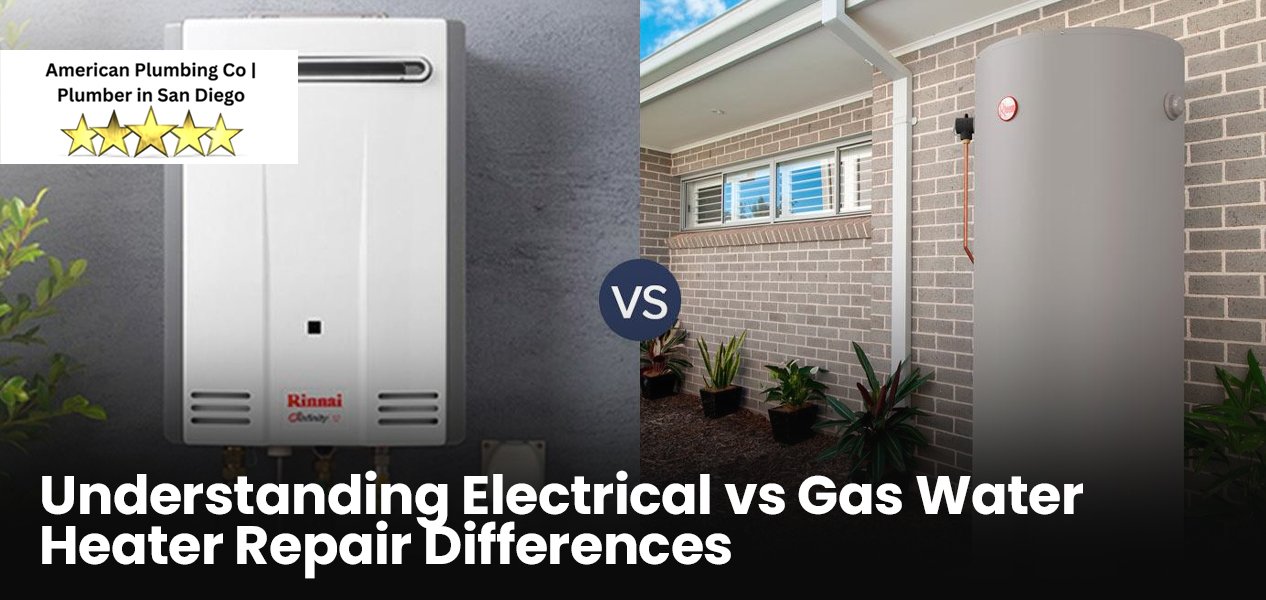
Understanding Electrical vs Gas Water Heater Repair Differences
One morning, the shower water suddenly turned cold, and the day started badly. Many homeowners face this situation and have no idea what happened. Some people own an electric heater while others use a gas unit. However, most homeowners do not know how these systems fail or why repair steps differ.
That confusion often leads to wrong guesses and wasted time. A heater may stop working for a simple reason, yet the cause depends on the system type. Learning the basic differences helps you understand problems much faster. In this guide, you will learn how electric and gas water heaters differ in repairs and which signs warrant attention first.
Why Electric And Gas Water Heaters Fail In Different Ways
Many homeowners believe all water heaters operate in similar ways. While they share the same goal, their systems work differently. An electric heater uses powered elements to heat water gradually. A gas heater uses a burner and flame to create heat.
Because each system works and repair needs also vary greatly. The parts inside one unit differ from those inside another. Therefore, a technician follows a different inspection process for each. Understanding this difference helps homeowners recognize problems more quickly.
The repair path also changes based on the heater’s design. One issue may involve electrical controls, while another involves fuel delivery. That is why proper diagnosis matters before any repair begins.
A Closer Look At Electric Water Heater Problems
Electric units contain fewer moving parts than many gas models. Even so, several components can still fail over time. When one part stops working, the heater may lose performance. In some cases, hot water disappears completely until repairs are completed.
Many homeowners first notice a change in water temperature. Others discover that heating takes much longer than before. These early signs often point toward electrical system concerns.
Heating Element Problems
The heating element performs the main heating work inside the tank. Over time, wear and mineral buildup can reduce performance. When that happens, water may take longer to warm properly.
Common signs include:
- Water stays lukewarm for long periods
- Hot water runs out faster than normal
- Heating becomes less consistent
Many electric water heater repair cases involve worn heating elements. Fortunately, this problem is often identified during a standard inspection.
Thermostat Concerns
The thermostat controls water temperature inside the heater. If it stops working correctly, temperatures may become unpredictable. Some homeowners notice water becoming too hot unexpectedly. Others experience water that never reaches the desired temperature.
Watch for these signs:
- Sudden temperature changes
- Water remains colder than expected
- Inconsistent performance throughout the day
Although the heater still operates, the thermostat may require attention.
Breaker And Wiring Issues
Electric heaters rely on a steady power supply each day. If power flow becomes interrupted, heating performance can suffer. A tripped breaker may stop heating completely in some cases.
Possible warning signs include:
- No hot water available
- Breaker trips repeatedly
- The heater loses power unexpectedly
Because wiring concerns involve electricity, homeowners should avoid guessing. A trained professional can inspect the system safely and accurately.
Common Gas Water Heater Problems Homeowners Face
Gas units use a completely different heating process than electric models. They rely on burners, flames, and fuel delivery components. Because of that, repair concerns follow a different pattern.
A homeowner may experience hot water loss even when electricity is working. In many cases, the issue involves ignition or fuel-related parts. Therefore, gas systems require different inspections and repair steps.
Pilot Light Problems
The pilot light plays an important role in many gas systems. When it goes out, the heater cannot operate correctly. Some homeowners relight it successfully while others face repeated outages.
Common warning signs include:
- Water turns cold unexpectedly
- Pilot light goes out often
- Heating stops without warning
Repeated pilot issues usually signal a larger concern that needs attention.
Thermocouple Failures
The thermocouple acts as a safety component inside many gas units. It helps monitor the pilot flame and system operation. If the part wears out, heating performance may stop entirely.
Signs may include:
- Pilot will not remain lit
- The heater shuts down frequently
- Hot water becomes unavailable
Many gas water heater repair cases involve thermocouple-related issues.
Burner And Gas Valve Issues
The burner creates heat while the valve controls fuel flow. When either part develops trouble, overall performance often declines. Some problems appear gradually, while others happen unexpectedly.
Watch for:
- Weak heating performance
- Strange burner sounds
- Delayed heating cycles
These issues usually require careful inspection by a qualified technician.
When The Same Symptom Has Different Causes
One of the biggest mistakes homeowners make involves guessing the cause. People often assume the same symptom means the same repair. In reality, electric and gas systems behave very differently.
Consider a simple example involving a lack of hot water. The symptom looks identical from the homeowner’s perspective. However, the cause may differ completely depending on the heater type.
No Hot Water In An Electric Unit
Possible causes include:
- Failed heating element
- Thermostat malfunction
- Tripped breaker
- Wiring issue
No Hot Water In A Gas Unit
Possible causes include:
- Pilot light failure
- Thermocouple issue
- Gas valve concern
- Burner malfunction
This comparison highlights why proper diagnosis matters greatly. The same problem can follow two completely different repair paths.
Warning Signs Homeowners Often Overlook
Many water heater problems provide clues before major failure occurs. Unfortunately, homeowners often dismiss those signs as temporary issues. As time passes, the problem usually becomes easier to notice.
Learning these warning signs can help you respond sooner. Early action often reduces inconvenience and improves system performance.
Electric Water Heater Warning Signs
- Water heats more slowly than usual
- Breaker trips often
- Temperature changes unexpectedly
- Hot water runs out quickly
Gas Water Heater Warning Signs
- Pilot light repeatedly goes out
- Burner sounds unusual
- Flame appears yellow instead of blue
- Heating becomes inconsistent
These signs do not always indicate major repairs. However, they deserve attention before larger concerns develop.
Why Proper Diagnosis Matters More Than Guesswork
Many homeowners search online after noticing a heating problem. While basic information helps, every system behaves differently. A seemingly simple symptom may have several possible causes.
A homeowner once assumed a thermostat caused heating trouble. After inspection, the actual issue involved a damaged heating element. Another homeowner blamed the pilot light when the valve was the cause of the problem.
These examples show why professional diagnosis remains valuable. A trusted plumbing service can identify issues correctly and recommend practical solutions. Likewise, a skilled heater repair service can help prevent unnecessary part replacements.
Understanding different heating system types gives homeowners a helpful advantage. The more you know about system design, the easier troubleshooting becomes. In the next section, we will explore differences in repair safety and homeowner checks before calling for help.
Repair Safety Differences Every Homeowner Should Understand
Safety should always come first when dealing with water heater concerns. Although both systems provide hot water daily, they involve different risks. Understanding those risks helps homeowners make better repair decisions.
Electric units involve powered components and wiring connections. Therefore, repairs may expose homeowners to shock hazards if handled incorrectly. Even a simple inspection requires caution around electrical parts.
Gas systems create a different set of concerns during repairs. Fuel lines, burners, and flame-related components require careful attention. A small issue can affect system operation if ignored, because of this, many homeowners choose professional help for gas-related concerns.
Electrical Repair Risks
- Damaged wiring inside the unit
- Faulty breakers are affecting performance
- Electrical connection problems
- Shock hazards during inspections
Gas Repair Risks
- Fuel flow concerns
- Burner operation issues
- Vent-related problems
- Flame control failures
Both systems require proper diagnosis before repairs begin. Therefore, safety should remain a priority during every inspection.
Simple Checks Before Calling For Service
Not every heater problem requires immediate repair work. Sometimes a quick inspection reveals an obvious issue. These checks do not replace professional service. However, they may help homeowners understand what happened.
For Electric Water Heaters
Before calling for service, consider these simple checks:
- Look at the breaker panel
- Confirm power remains available
- Check for reset button activation
- Observe heating performance
For Gas Water Heaters
A few basic observations can also help.
- Check if the pilot remains lit
- Observe flame appearance
- Listen for unusual sounds
- Notice unusual odors nearby
These simple observations provide useful information during a service visit. As a result, technicians often diagnose concerns more efficiently.
Why Maintenance Looks Different For Each System
Many homeowners hear the word “maintenance” and assume every system follows identical rules. In reality, each heater type requires different attention.
Electric systems focus more on powered components and controls. Gas systems focus more on fuel delivery and burner operation. Because of that, maintenance plans should match the equipment installed.
Electric Water Heater Maintenance
Common tasks include:
- Inspecting heating elements
- Checking thermostat operation
- Reviewing wiring condition
- Monitoring system performance
These steps help identify potential electrical heating faults before larger issues appear.
Gas Water Heater Maintenance
Gas units require different inspections.
- Checking burner operation
- Reviewing pilot performance
- Inspecting vent pathways
- Evaluating fuel delivery parts
These inspections help reduce potential ignition system issues that affect performance.
Regular maintenance supports reliable operation throughout the year. It also helps technicians identify concerns before they interrupt daily routines.
Which System Is Usually Easier To Diagnose?
Many homeowners ask whether one type of heater is easier to repair. The answer depends on the problem involved. However, diagnosis often differs between electric and gas systems.
Electric units usually contain fewer major operating components. Because of that, troubleshooting often follows a straightforward process. Technicians can test power-related components and quickly narrow down possible causes.
Gas systems require a broader inspection process in many situations. The technician may evaluate the burner pilot valve and venting system. Each component plays an important role in the overall operation.
This difference creates a natural variation in technical repair between the two heater styles. Neither system is perfect. Each simply follows a different repair path.
Understanding Repair Complexity
Repair complexity depends on more than the visible symptom. Some concerns involve a single failed part. Others involve several related components working together.
For example, an electric heater may require a replacement heating element. In many situations, diagnosis remains fairly direct. Once the failed component is identified, repairs often move forward efficiently.
A gas unit may require inspection of several connected parts. A pilot concern could involve the thermocouple burner or valve. Therefore, diagnosis sometimes takes additional steps.
This comparison creates a useful appliance repair comparison for homeowners researching repair options. Understanding complexity helps set realistic expectations during service visits.
How Energy Sources Influence Repair Methods
The way a heater generates heat significantly affects repair procedures. Electric units rely on powered heating components. Gas units rely on controlled combustion to create heat.
These energy source differences shape how technicians approach inspections. An electric repair often begins with power-related testing. A gas repair often begins with fuel and ignition evaluations.
Neither method is better in every situation. Each requires knowledge of the system involved. That is why trained professionals follow different procedures for each heater style.
Many homeowners own a fuel-based heating system without fully understanding how it works. Learning the basics can improve communication during service appointments.
Choosing The Right Service For Your Heater
When problems develop, homeowners often search for help quickly. Choosing a qualified professional remains an important step. Experience with your heater type can improve diagnosis and repair results.
A technician familiar with electric systems understands common electrical concerns. Likewise, a gas specialist understands flame-related components and fuel delivery systems.
A trusted technician repair service can thoroughly inspect the heater and explain the findings clearly. Good communication helps homeowners understand available repair options.
Likewise, a dependable residential water heater service can provide maintenance inspections and routine support. These visits often identify concerns before performance declines.
When repairs involve burner valves or flame controls, technicians may perform a combustion system repair process. These inspections focus on safe and efficient operation.
Which Water Heater Is Better For Repairs?
Many articles attempt to declare a winner between gas and electric units. The reality remains much more balanced. Each system offers strengths and challenges.
Electric heaters often provide a simpler diagnostic process. Gas heaters offer different performance advantages depending on household needs. Therefore, repair experiences vary from home to home.
The better choice depends on factors such as usage habits, local utilities, and homeowner preferences. Instead of asking which system always wins, it makes more sense to understand both.
Knowledge helps homeowners respond confidently when issues arise. That confidence often leads to faster decisions and better outcomes.
Conclusion
Electric and gas water heaters may serve the same purpose each day. However, their repair needs differ in important ways. Electric units often involve power-related components, while gas systems rely on burners and fuel controls.
Understanding these differences helps homeowners recognize warning signs sooner. It also makes repair discussions easier and more productive. Whether the issue involves wiring, burners, or ignition, proper diagnosis remains the key to success. With the right support, homeowners can keep their systems working efficiently for years.
Understanding your heater type helps you make smarter repair decisions. If you notice unusual performance, do not ignore the warning signs. Professional inspections can identify concerns early and prevent unnecessary frustration. Reach out today for trusted guidance and dependable support.
FAQs
Why does an electric water heater stop producing hot water?
A failed element thermostat issue or power concern may cause problems.
Why does a gas water heater lose heat suddenly?
Pilot issues, burner concerns, or valve problems may affect heating.
Are electric water heaters easier to troubleshoot?
In many cases, yes, because they contain fewer operating components.
Can the same symptom have different repair causes?
Yes. Electric and gas systems often reach the same symptoms differently.
What should I check before scheduling service?
Check the power pilot status and visible performance changes first.